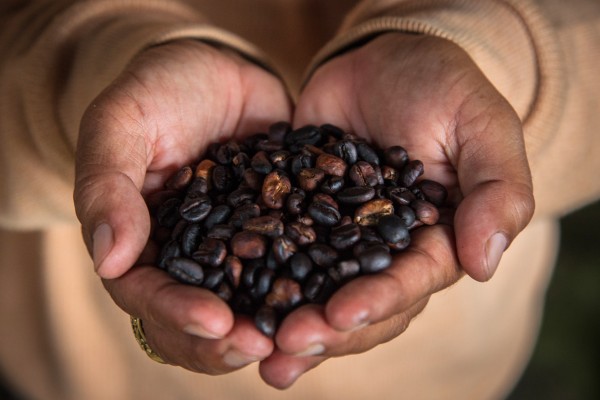
A Keimyung University research team has reproduced the taste and fragrance of civet coffee, known as “kopi luwak,” by scientifically identifying the digestion and fermentation conditions where civets live.
Consequently, civet coffee could now be mass-produced in a sanitary environment without having to harm animals.
The new civet coffee is available in three varieties, including one with a savory scent and moderate flavor, one with a distinct and fresh flavor, and one with a lot of fruit aroma. More than 40% less caffeine is present than in ordinary civet coffee.
The research team completed a patent application, trademark application, and vegan certification for the research findings, which will be published in academic journals in and outside South Korea.

Heritage, desire and diplomacy: why China still values scotch whisky
Longsys Raises $903 Million in Hong Kong IPO as Shares Debut Flat
Australia Plans New Rules Giving Users Control Over Social Media Feeds
Asian Stocks Fall as Oil Tops $100, Yields Rise
Apple Unveils $1,999 Foldable iPhone Duo
Blue Origin’s New Glenn Achieves Breakthrough Success With First NASA Mission
Cogent Biosciences Soars 120% on Breakthrough Phase 3 Results for Bezuclastinib in GIST Treatment
Trump and Merck KGaA Partner to Slash IVF Drug Costs and Expand Fertility Coverage
Brent Oil Tops $100 as Middle East Conflict Threatens Supply
Enflame Shares Surge 200% in Shanghai AI Chip Debut
Nvidia Eyes $10 Billion Investment in Anthropic IPO
UK Food Inflation Forecast to Hit 6.4% by Mid-2027
NASA Resumes Cygnus XL Cargo Docking with Space Station After Software Fix
Stuck in a creativity slump at work? Here are some surprising ways to get your spark back
Samsung, Qualcomm 2nm Chip Deal Delayed Over Pricing
U.S. Accuses Chinese AI Firms of Extracting Model Capabilities
Trump Signs Executive Order to Boost AI Research in Childhood Cancer 


