Regina Argenio, a director and lead analyst for financial institutions at S&P Global Ratings, said Türkiye’s banking situation remains manageable even as the sector faces meaningful risks.
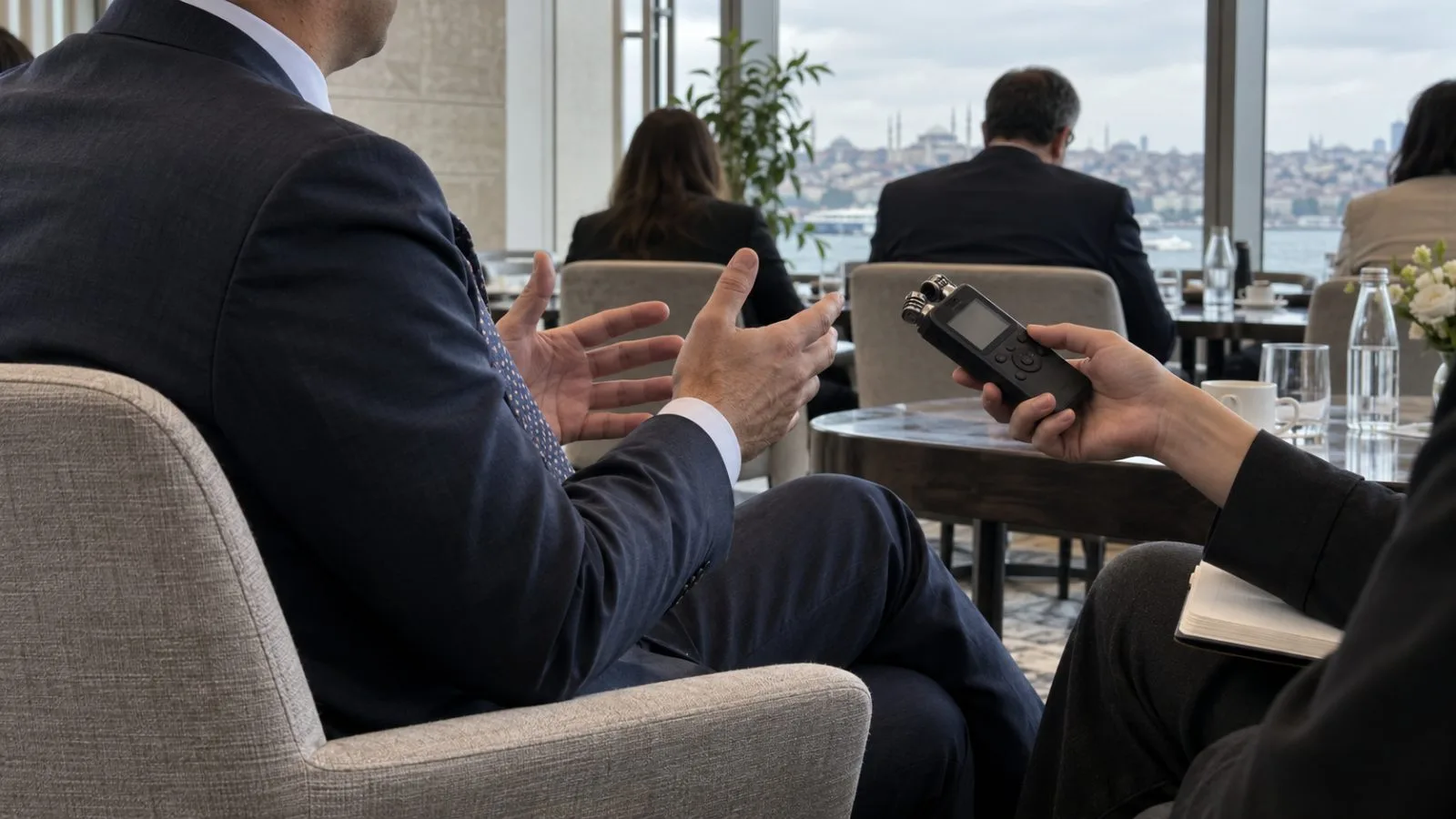
In an interview with Anadolu Agency around S&P Global Ratings’ capital markets conference in Istanbul on Oct. 22, Argenio said the economic outlook had proved better than S&P expected at the beginning of the Middle East war. She also pointed to the improved disinflation trend as a support for banks amid regional shocks.
The Turkish Statistical Institute (TurkStat) reported that annual inflation slowed to 29.73% in September from 31.51% in August. Prices still rose 1.84% from the previous month, showing that a slower annual pace did not mean monthly prices were falling.
Argenio said S&P is monitoring whether Turkish banks can continue refinancing their large external obligations. Disruptions to that funding could create problems for lenders, she said. She described the end of regulatory deferrals introduced over the past year as a step that has supported stability.
High real interest rates have weighed on lending and made financing more difficult for small and medium-sized businesses and retail customers, Argenio said. That pressure could increase the risk of future deterioration in banks’ asset quality. The borrowing-cost burden falls on those customers, while lenders could face a weaker loan portfolio.
Argenio expects bank margins to improve in 2027. She said the effect of rate cuts will depend on their timing and pace, as well as progress in the disinflation program. TurkStat’s next scheduled inflation release, covering October, is due Nov. 3.