SBM Intelligence’s Nigerian food-price index points to cheaper chicken and a local supply shift, offering some household price relief without establishing a nationwide increase in poultry output.
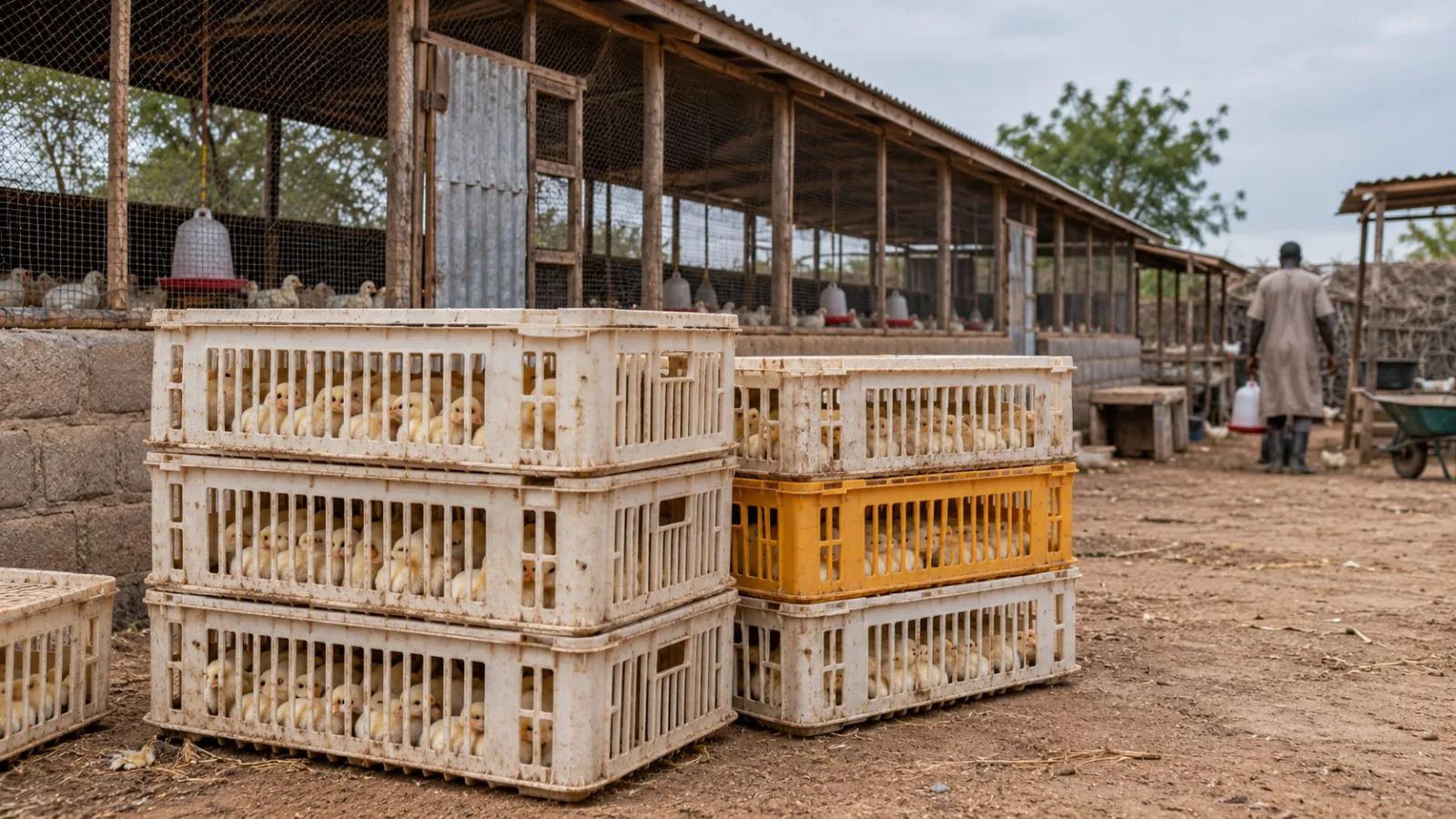
The firm’s third-quarter 2026 Jollof Index recorded a combined ₦9,700 drop in its chicken component across 13 markets between June and September. SBM attributed the reported supply improvement to lower maize-based feed costs, farms returning to operation after closures in 2025 and improved availability of day-old chicks.
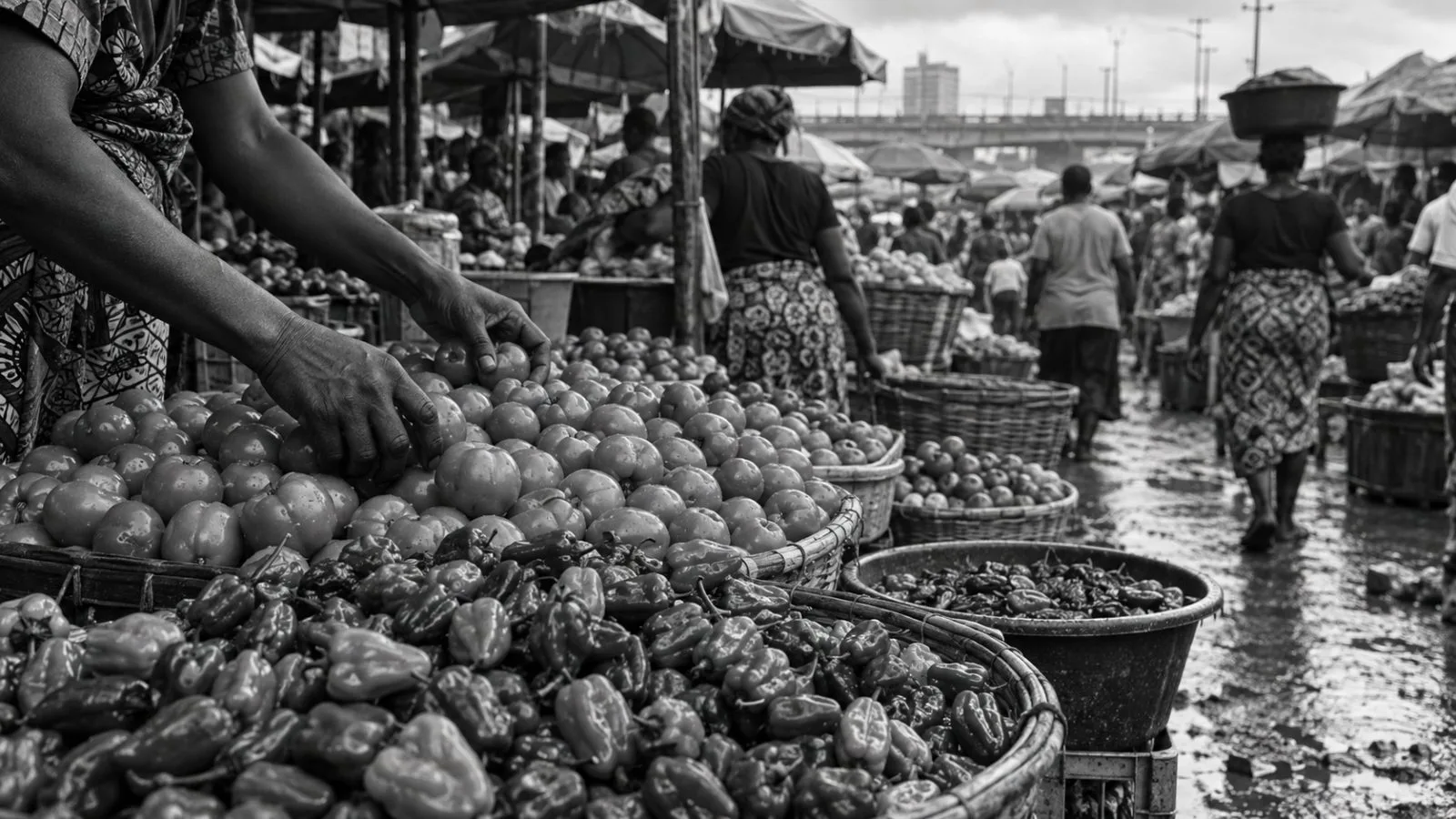
The index tracks the cost of fixed quantities of ingredients in the markets, while the report also draws on household and trader accounts. It does not count poultry production nationwide. In Kumbotso, Kano State, one respondent told SBM that chicken had fallen to ₦4,500 per kilogram from ₦7,000 and that they had resumed buying one chicken a week.
Traders in Kano told SBM that farms in Jos, Kaduna and Oyo, as well as parts of Kano State, were supplying more poultry. They said the change was making Kano less dependent on frozen chicken brought through Lagos; the report gives no national production or import figures.
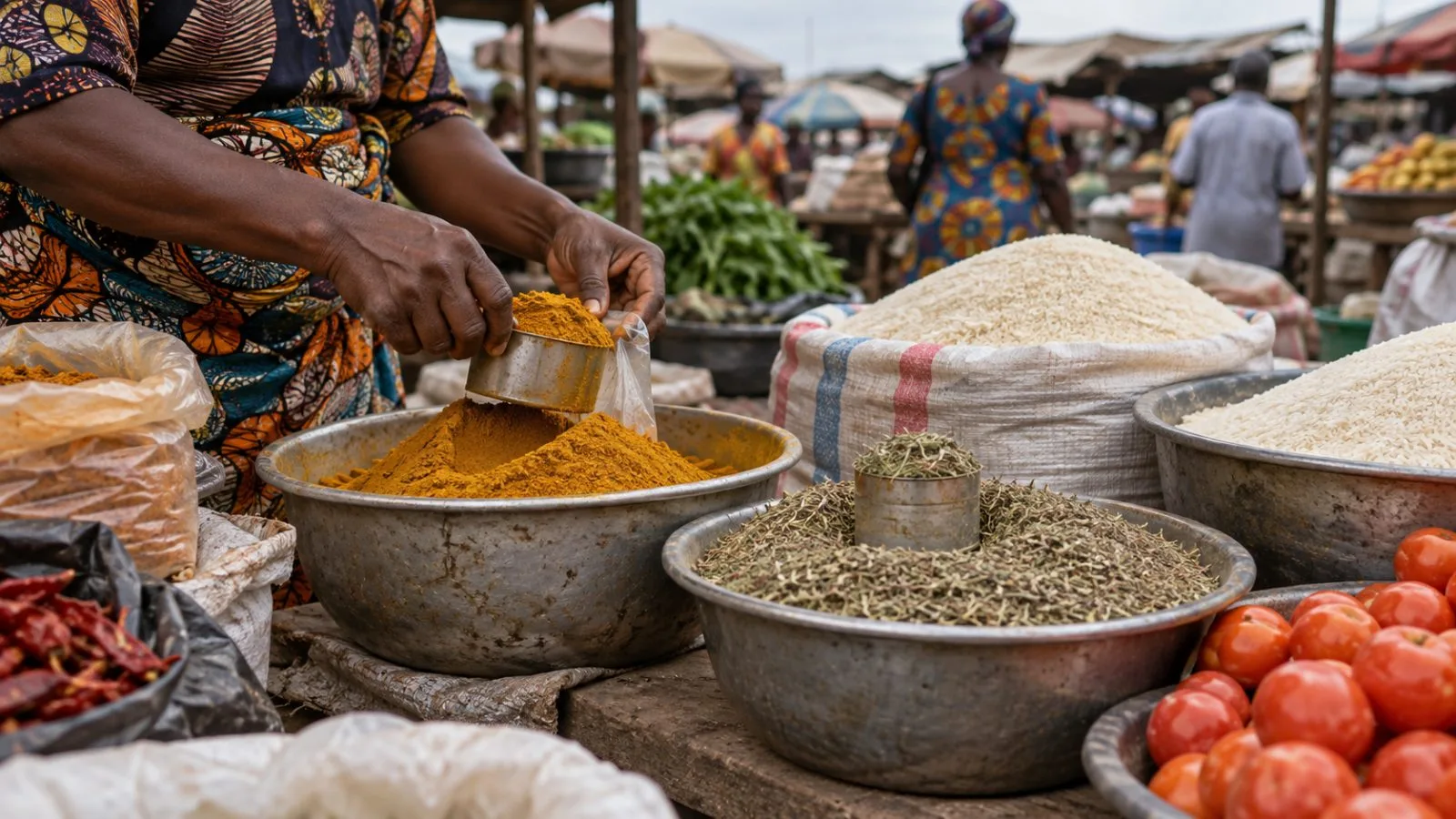
The overall Jollof basket’s headline figures showed an 11.5% decline, from ₦29,578 in June to ₦26,178 in September. SBM said a recording error for curry and thyme prices in two Ibadan markets made that decrease appear larger than it was. The correction puts the September basket at about ₦27,055 and reduces the quarter’s decline to 8.5%.
Price movements varied by market: nine of the 13 markets had declines below 10%, while Port Harcourt was the only market where the basket became more expensive. Even before the Ibadan correction, SBM said the overall basket remained 5.8% above September 2025 and 540% higher than in July 2016.