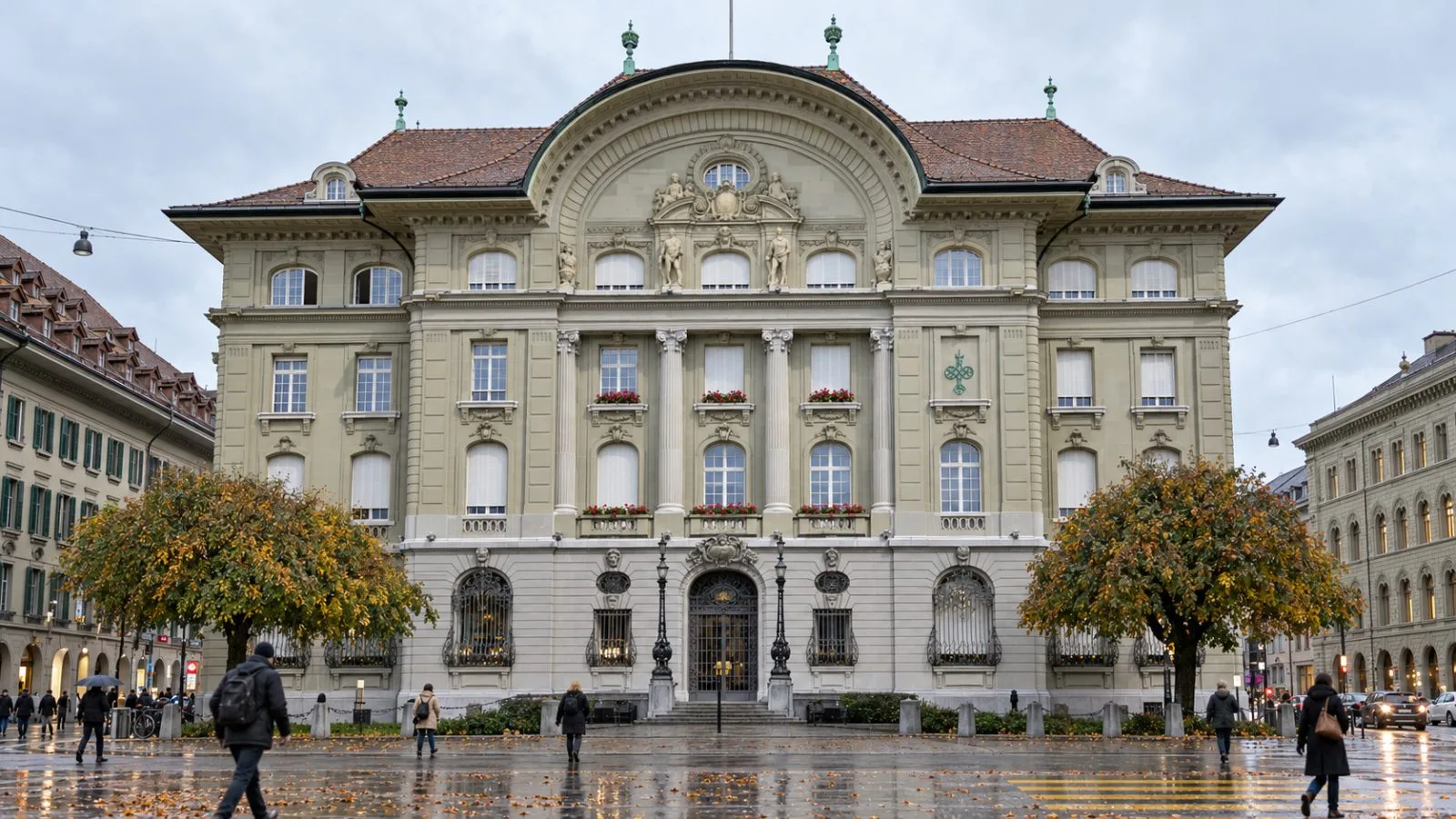
Swiss inflation rose to 1.5% in October, the Federal Statistical Office (FSO) said, while FXStreet reported Swiss National Bank (SNB) Chairman Martin Schlegel said the bank could change policy if price stability were threatened.
The FSO's consumer price index recorded 101.7 points in October, using December 2025 as its 100-point base. Prices rose 0.2% from September, while the annual rate had been 1.0% a month earlier. That marked a half-percentage-point increase in the year-over-year reading.
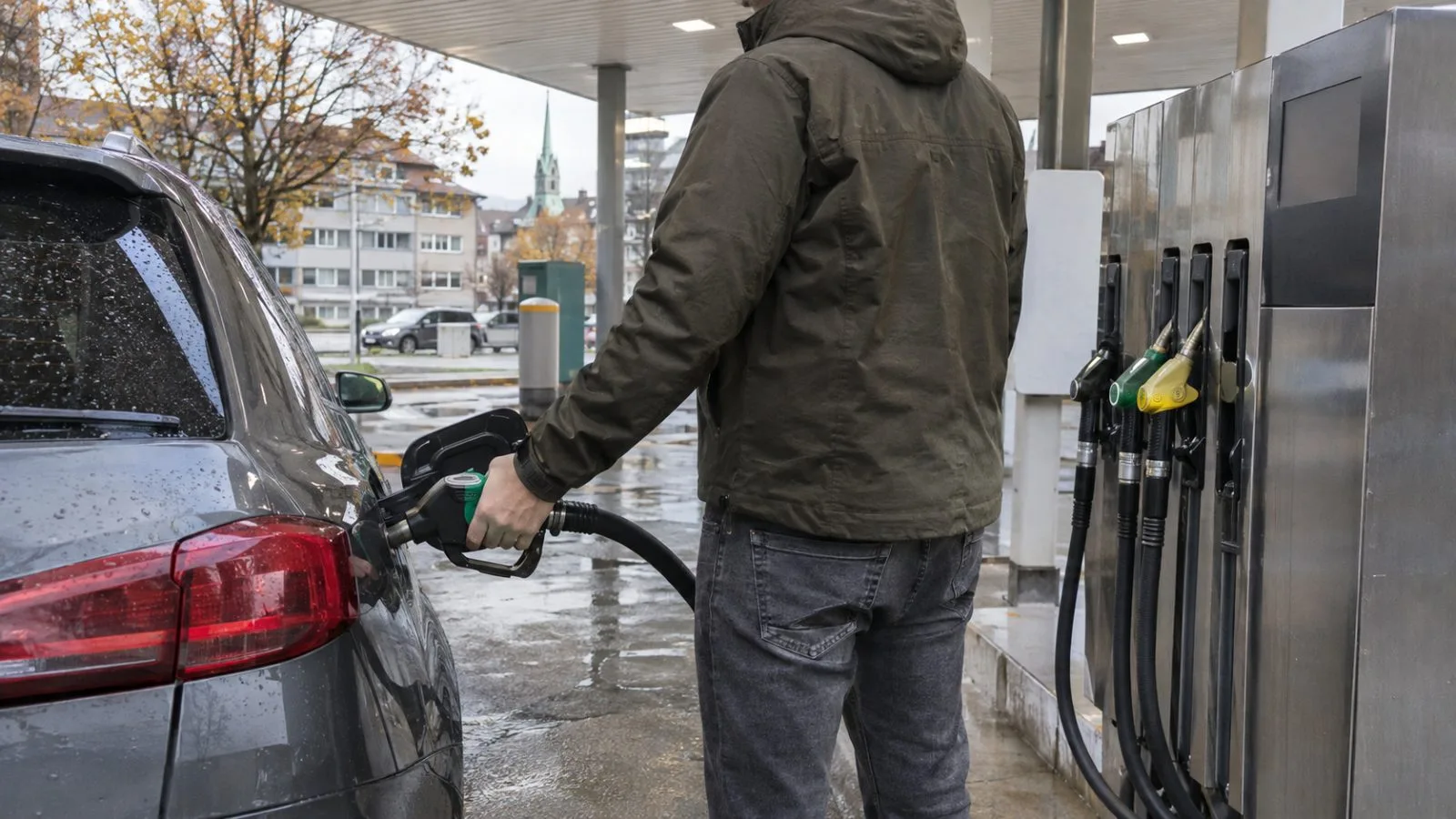
The FSO said higher heating oil, petrol and diesel prices contributed to the monthly increase. Footwear and outpatient hospital medical services also cost more. Prices fell for services at local medical practices, international package holidays and hotels.
Reuters reported that Schlegel told Handelszeitung the October rate exceeded the SNB's expectation. His reported remarks did not announce a rate change or name a particular policy action.
FXStreet reported that Schlegel said secondary inflation pressures had not become significant so far, though they could still arise later. He said the SNB would continue monitoring those risks, according to the outlet.
October's rate falls within the SNB's medium-term price-stability benchmark, which sets an acceptable range between 0% and 2% inflation. At its September assessment, the central bank kept its policy rate at 0%. Its outlook projected average annual inflation of 0.7% in 2026 and 0.8% in each of 2027 and 2028, assuming the rate remained at 0% throughout the forecast period.
Schlegel has also described the franc's effects in both directions: A stronger currency can lower the cost of imports while weighing on Swiss economic activity, according to his earlier remarks summarized in EconoTimes' coverage of franc-market developments. The SNB calendar lists Dec. 10 for its next monetary policy assessment.