Researchers found the phrase “Putin’s strikes” in a limited number of sampled Russian articles and Telegram posts, offering a narrow measure of how far a reported wartime messaging effort has spread.
Join Ukraine’s analysis, commissioned by the Kyiv Independent, counted eight articles using the phrase across seven Russian websites from Oct. 18 to 22. Five were opinion or commentary pieces by members of regional veterans’ associations. In a separate review covering Oct. 1 to 23, the phrase appeared in two posts among 61 major state-media and pro-war Telegram channels. Both posts came from the same war correspondent. Researchers found no mentions in 485 regional Telegram channels.
Meduza reported Oct. 21, citing two employees of state or Kremlin-dependent media, that Russia’s Presidential Administration had advised loyal outlets to call the attacks “Putin’s strikes” and portray them as more effective than Ukrainian attacks. Meduza said the guidance included suggested wording. The report describes an alleged messaging effort; it was not a public announcement by the Kremlin.
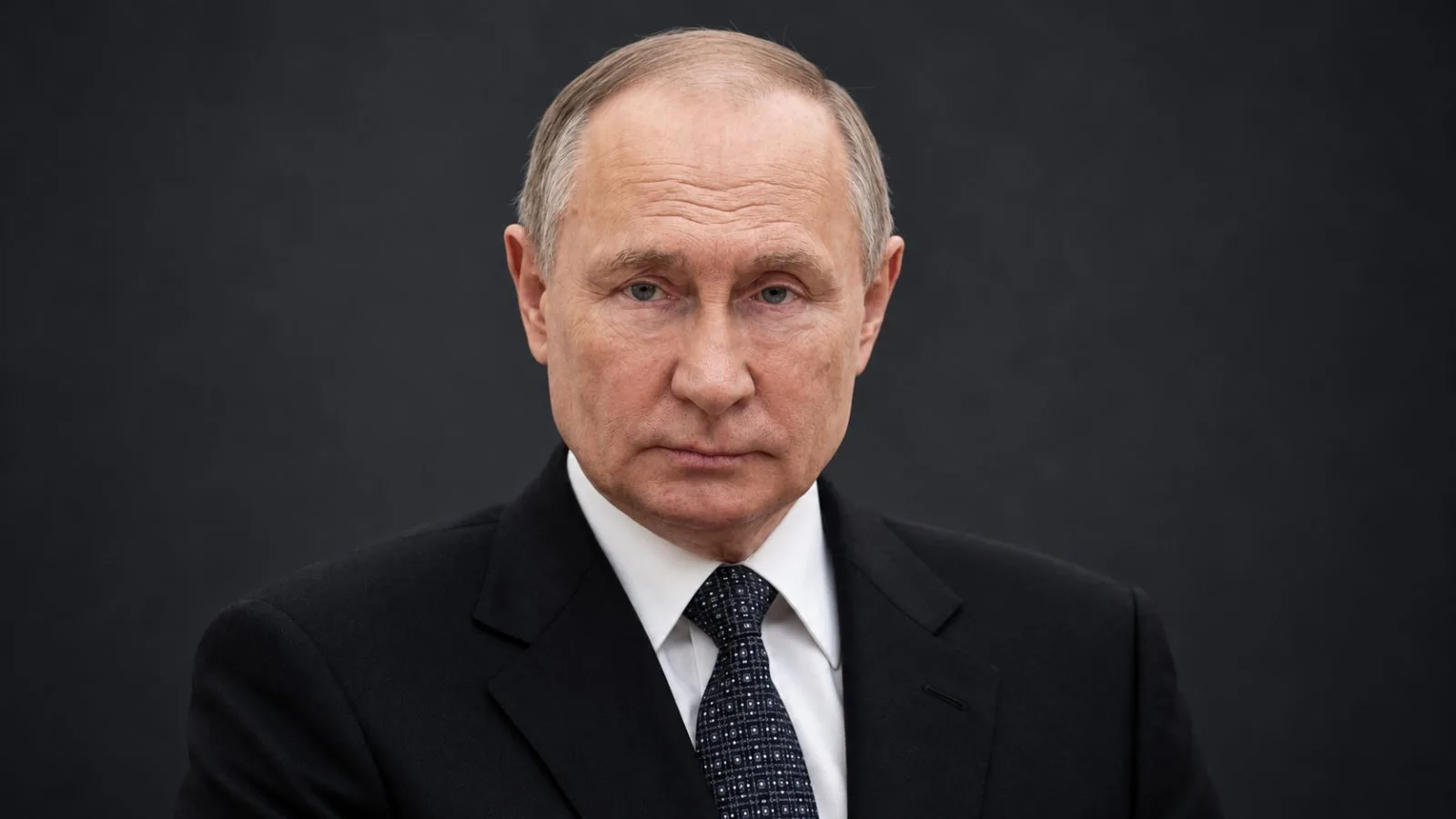
Russian President Vladimir Putin spoke about strikes on Ukraine’s energy facilities on Sept. 1, nearly seven weeks before Meduza’s report. In answers to reporters published by the Kremlin, he said Russian forces had been instructed to prepare and carry out large-scale attacks. “They strike ours – they will get a response,” Putin said.
Gazeta.ru used the phrase in a subheading and its own text in an Oct. 19 article. The article’s quoted veteran, Vitaliy Konovalov, did not use the phrase in his remarks.
Olga Yurkova, co-founder of StopFake, told the Kyiv Independent that the label casts infrastructure destruction as a political achievement while obscuring civilian danger and the loss of basic necessities. “The scale of destruction ... does not, in itself, demonstrate Russia’s strategic superiority,” she said. Samuel Greene, a professor of Russian politics at King’s College London, told the Kyiv Independent that linking Putin more closely to the attacks “may be part of a strategy.”
Meduza also cited an unnamed political technologist who compared the slogan with “Stalin’s strikes,” a phrase for 10 major Soviet offensives in 1944. The technologist suggested the comparison could raise Putin’s standing among pro-war audiences.
The samples show where the wording appeared, but provide no measure of the attacks’ military results or proof that audiences changed their views.