


 Trump Defends Russian Diesel Deal Amid US Sanctions Backlash
  Trump Buys Up to $25M in Meta Stock, Invests in SpaceX Debt
  Moonshot AI Executives Seek Settlement Ahead of Hong Kong IPO
  Meta Launches Muse Wonder AI Models, Shares Rise 3.7%
  US Stock Futures Rise as Oil Prices Fall Ahead of Q3 Earnings
  Russia Approves Sberbank for Crypto Exchange Services
  Binance to Shut Down Crypto Mining Pool Services on November 10
  Philippines Current Account Deficit Seen at $19.1 Billion in 2026
  South Korea Blocks 27 Crypto Exchange Websites in Regulatory Crackdown
  Morgan Stanley Predicts $10 Trillion RWA Market by 2030
  OpenAI Annualized Revenue Hits $50 Billion, Below Earlier Estimates
  Jameson Lopp Downplays AI Threat to Bitcoin Cryptography
  Arthur Hayes Announces FLOP Testnet Launch Within Weeks
  US Dollar Rises for Fourth Week as Fed Rate Hike Bets Grow
  Elon Musk Eyes Semiconductor Manufacturing Expansion With $15 Billion Terrafab Project
  Bumble Shares Surge 50% on $1 Billion Buyout Talks


 Add as a preferred source on Google
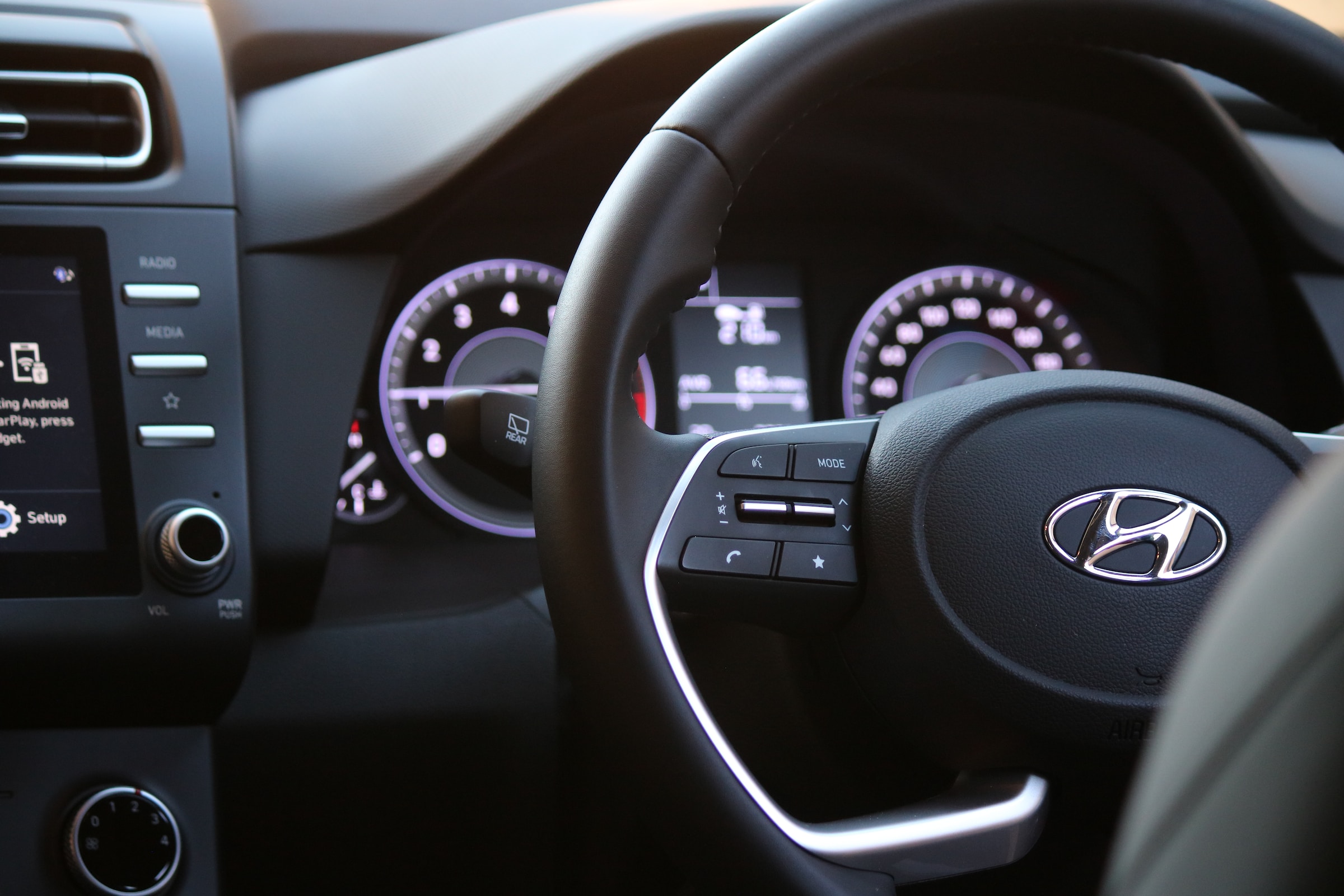
Samsung Electronics has secured a contract to provide Hyundai Motor with its advanced Exynos Auto V920 chips for next-generation in-car infotainment systems, launching in 2025. This marks the companies' first collaboration in automotive chip solutions, aiming to redefine in-vehicle experiences and safety.
Samsung Electronics said it agreed to deliver its Exynos Auto V920 chips to Hyundai Motor. This is the company’s newest automotive processor that was selected to power the automaker’s in-vehicle infotainment (IVI) systems which will be launched in 2025.
As per Korea Joongang Daily, the automotive chip is a third-generation processor that supports the recently-developed low-power Double Data Rate 5 chip which facilitates the systematized management of up to six high-resolution displays for dashboard and infotainment. It will also allow up to 12 camera sensors that capture visual information.
With this project, Samsung Electronics and Hyundai Motor are bound to bolster their tie-up to roll out the advanced IVI systems two years from now. It was noted that this will be the companies’ first cooperation in the auto chip solutions business.
“We are thrilled to be collaborating with Hyundai Motor, a prominent global mobility manufacturer, and we anticipate that this partnership will further solidify our position in the automotive infotainment space,” Samsung Electronics’ System LSI Business’ executive vice president of sales and marketing, Jae Geol Pyee, said in a press release. "Through close collaboration with our global customers and ecosystem partners, we will continue to create state-of-the-art automotive chip solutions that offer a safe and enjoyable mobility experience.”
Finally, The Korea Herald reported that the Exynos Auto V920 is expected to provide a flawless in-vehicle experience by allowing real-time display of important driving information in addition to smooth playback of graphics-rich video and game content on displays. For the drivers’ safety, the chip’s embedded safety island is compliant with the Automotive Safety Integrity Level B (ASIL-B) requirements.
Photo: Costa Mokola/Unsplash







