Sanofi says low inventories and delays releasing and distributing batches are disrupting access to its Pompe disease medicines in some countries, while treatment interruptions reported by U.S. patients highlight the effect on people who depend on regular infusions.
In a Nov. 10 update, the French drugmaker said it had imported medicines into many countries where patients experienced interruptions. Sanofi said a full return to supply would vary by product and country, with no single global recovery date. It also said released medicines meet its requirements for identity, strength, quality and purity.
CNBC reported Nov. 19 that some U.S. patients had missed infusions or faced cancellations, and that shipping delays could affect patients through the end of November. Sanofi’s public update does not confirm those individual cases or the U.S. timeline.
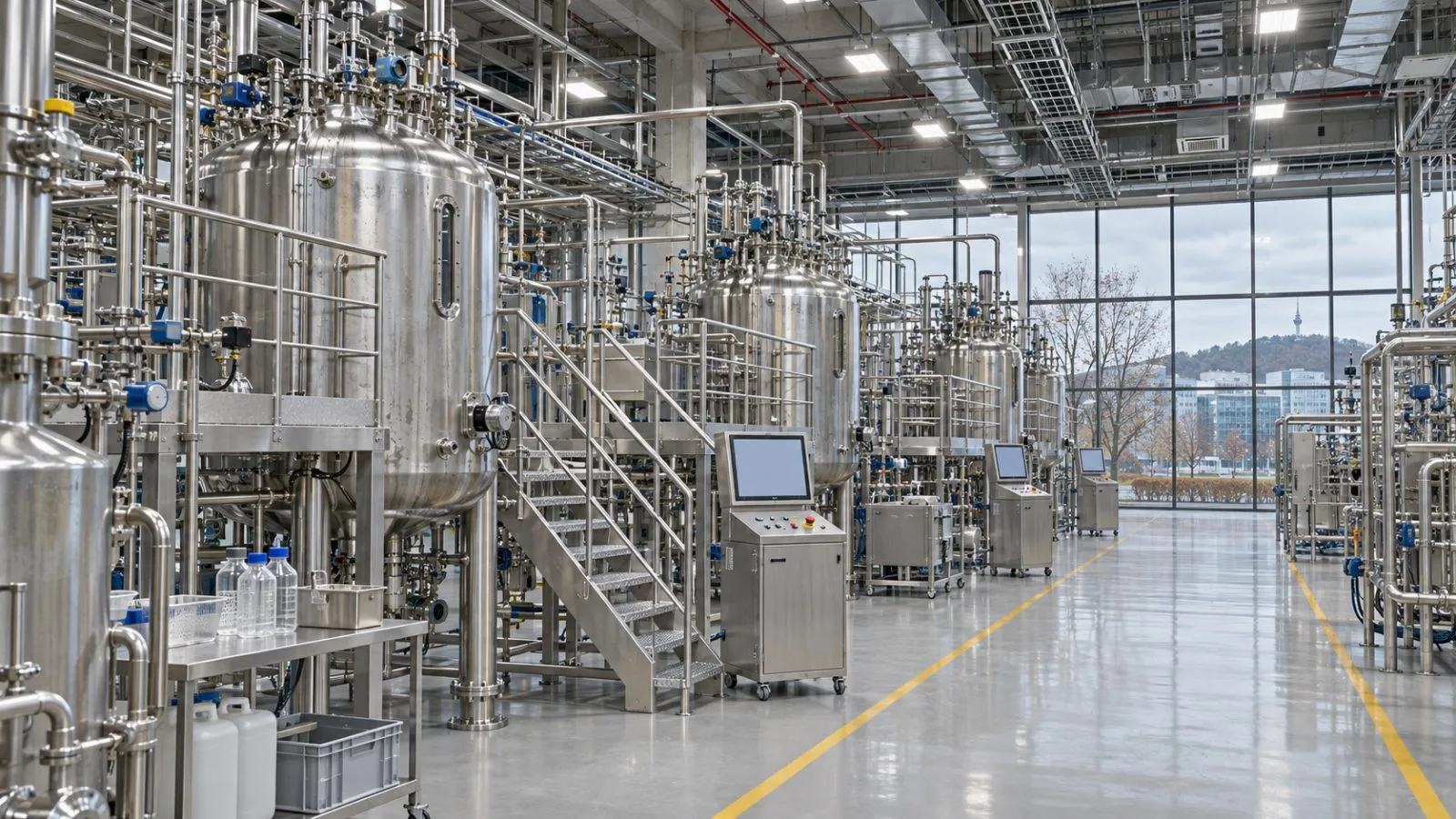
A healthcare-professional notice prepared by Sanofi and approved by the U.K. Medicines and Healthcare products Regulatory Agency said interim controls at the company’s Waterford, Ireland, facility were affecting supply scheduling and shipments, including Nexviadyme. The notice forecast intermittent disruption through at least the end of 2026, followed by gradual improvement.
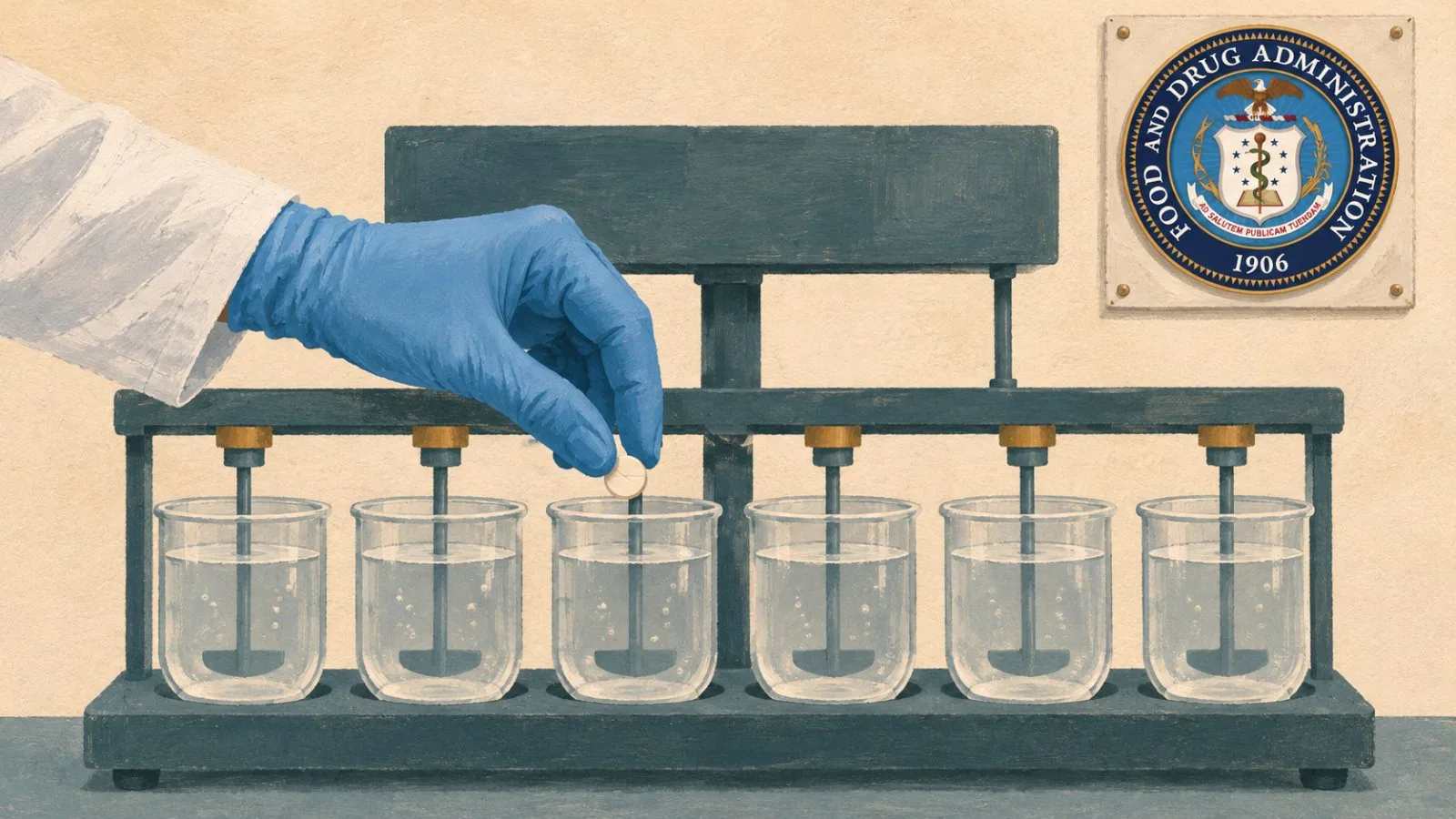
The U.S. Food and Drug Administration inspected Genzyme Ireland Limited in Waterford from Jan. 12 to 20, 2026, and issued a warning letter on June 22. The agency cited manufacturing violations involving Thymoglobulin and Altuviiio, including quality-control oversight and recordkeeping. The letter did not identify Pompe medicines among the products involved in those violations.
The outlook in Germany was more favorable. Pompe Deutschland said Nov. 3 that recent deliveries of Myozyme and Nexviadyme had arrived and could soon be distributed, with further significant deliveries expected by late November. The group expected supplies to be sufficient through December, while saying localized interruptions remained possible.
Pompe disease is an inherited condition in which a shortage of the enzyme acid alpha-glucosidase causes glycogen to build up and can damage muscles and other tissues. Infantile-onset disease can affect the heart and breathing. Sanofi’s medicines replace the missing enzyme.
Sanofi’s third-quarter results showed Myozyme and Lumizyme sales of €105 million, down 15.6%. The company cited a shift to Nexviazyme and Nexviadyme as well as supply constraints. Sales across its Pompe franchise totaled €316 million, down 3.4%.