Federal Reserve rate changes move credit-card and auto-loan costs more directly than fixed mortgages, while savings and money-market yields adjust faster, Collin Martin, Schwab's head of fixed income, said on Schwab Network Nov. 20.
Martin said people usually mean the federal funds rate when they discuss rates. The rate is what banks charge each other for overnight loans, and it has a direct link to short-term borrowing costs. He said the federal funds rate is not always the rate investors or consumers should focus on because there are many different types of interest rates.
Credit-card rates generally follow the federal funds rate, he said, as do many auto loans and home-equity lines of credit. Mortgages work differently because they track longer-term interest rates, which are influenced indirectly by changes in the federal funds rate. Martin said mortgage rates are not directly tied to the federal funds rate.
Higher rates can benefit savers and investors through larger yields on money-market funds, Treasury bills and certificates of deposit. Borrowers face higher costs, so the effect depends on whether a person is saving, investing or borrowing. Martin said higher rates can increase borrowing costs even as they raise yields for investors.
A Federal Reserve rate cut does not automatically reduce every mortgage payment or credit-card bill. A fixed-rate mortgage generally does not change when the federal funds rate moves, while savings accounts and money-market funds tend to reflect rate changes more quickly. Martin said rates paid on savings accounts and money-market funds can move more in real time, while mortgage rates are slower to move.
Martin said people should consider how a rate decision affects their own finances. For someone with a fixed mortgage, the decision may have little immediate effect. For savers and money-market investors, the direction of rates can change the income they earn. He said the direction of rates, whether up or down, can influence income from savings and money-market investments.
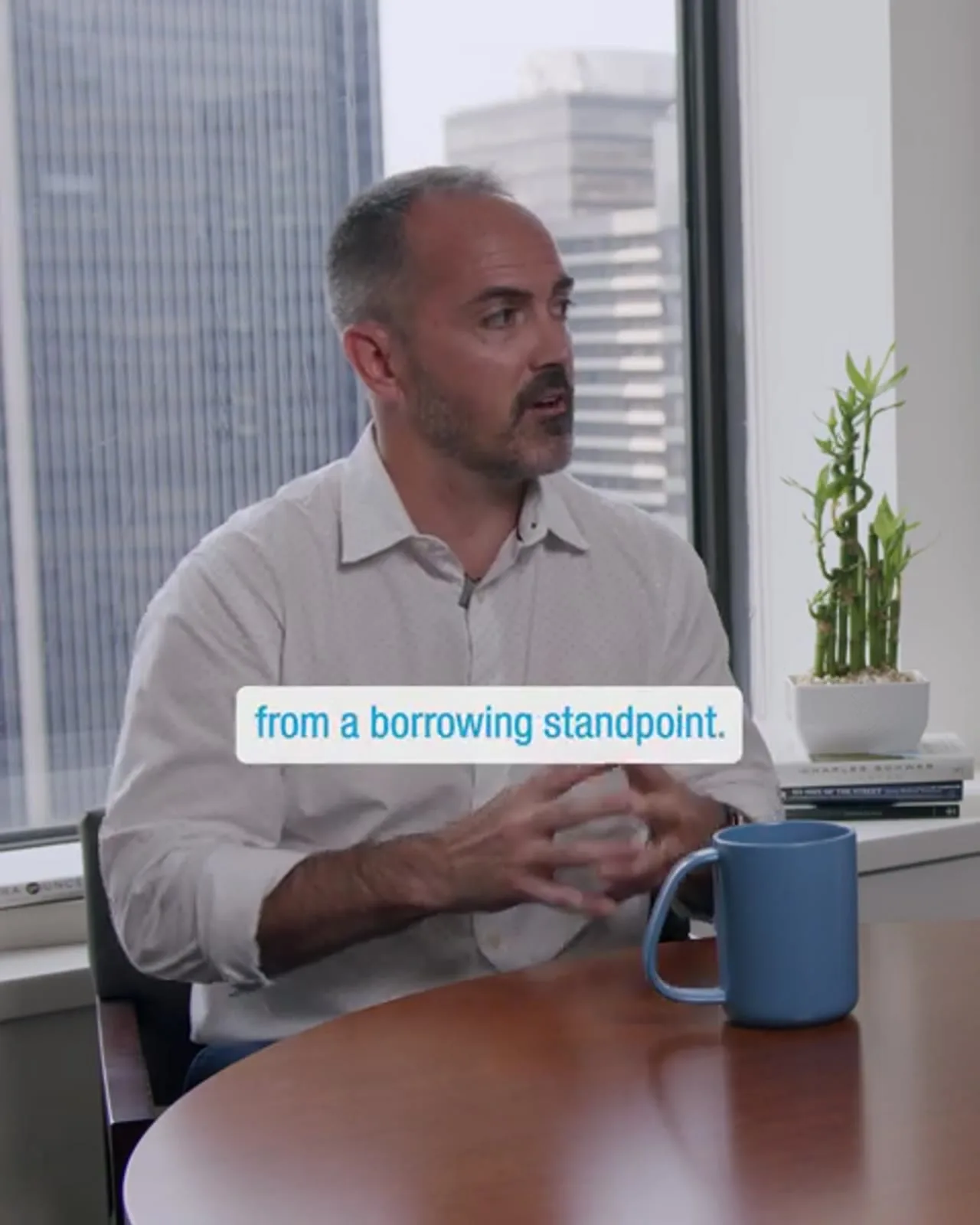
Borrowers using credit cards or auto loans may also see the direction of rates influence what they pay. Martin said mortgage rates are slower to move because they depend more on longer-term rates than on the overnight federal funds rate. He said borrowers should consider how changes affect what they will pay from a borrowing standpoint.
Martin said the effect of a Federal Reserve decision depends on a person's financial position. A consumer, borrower or investor may experience the same rate decision differently. Credit cards, auto loans and home-equity lines generally have a more direct relationship with the federal funds rate, while mortgages respond through longer-term rates.