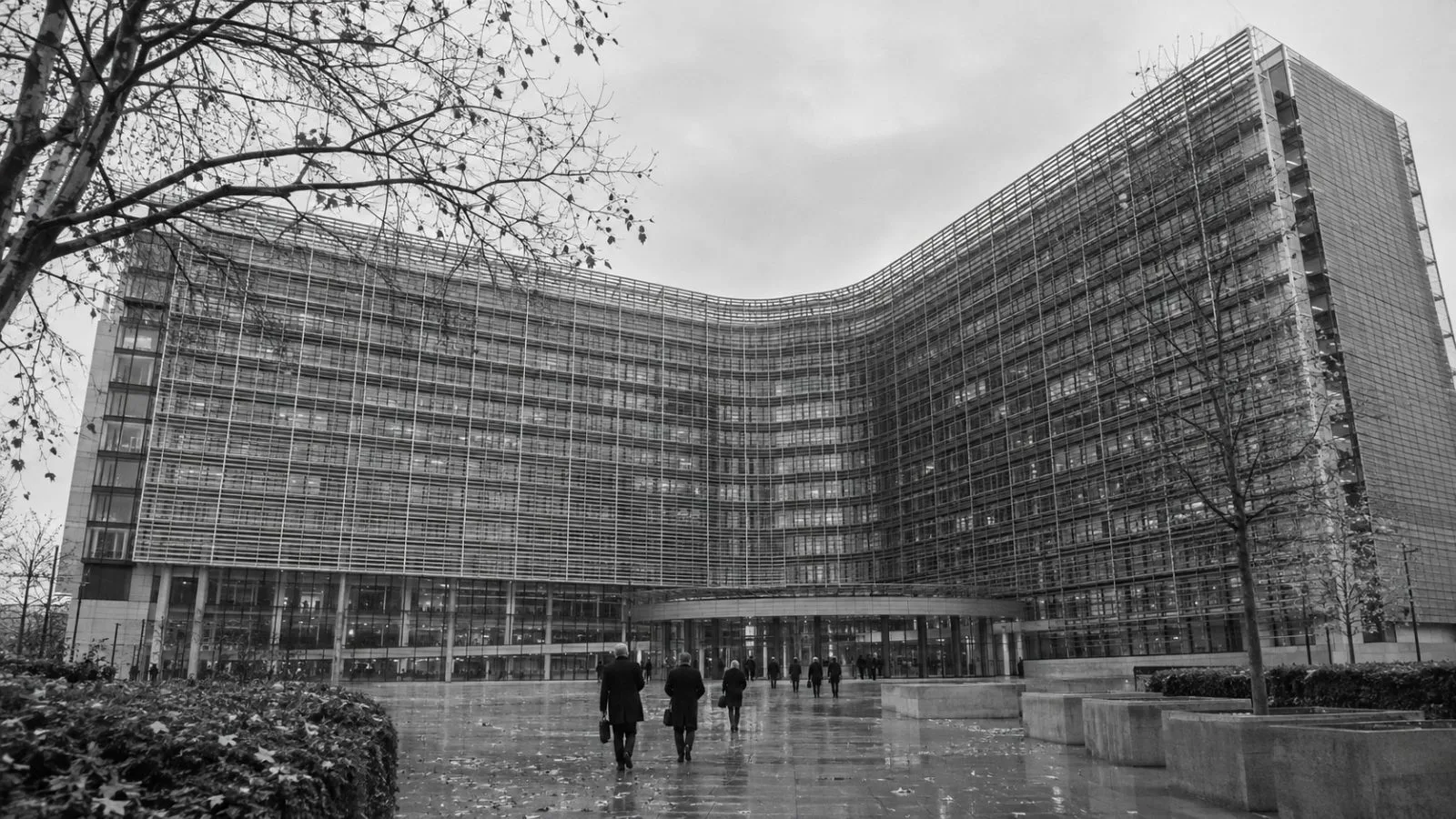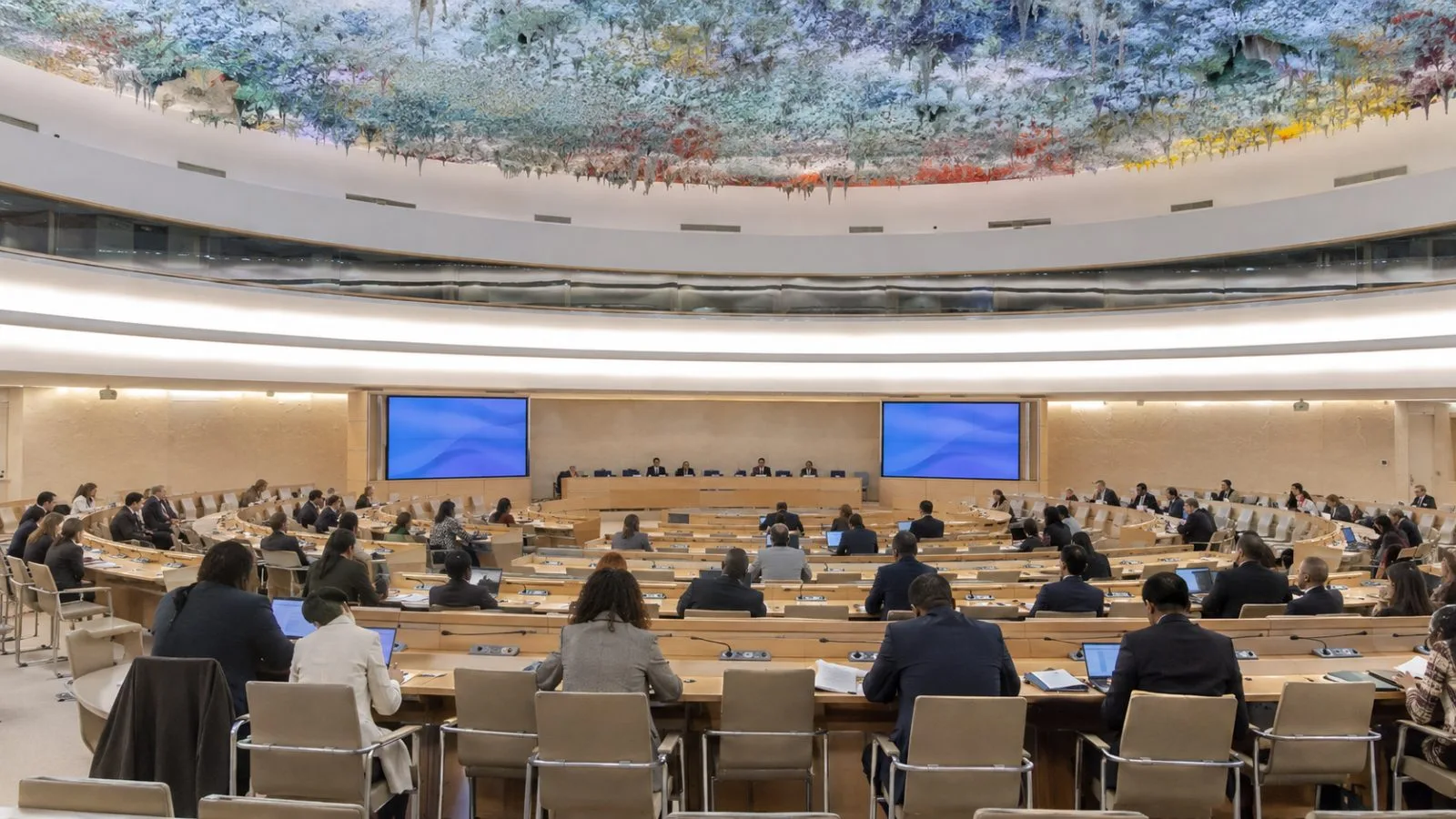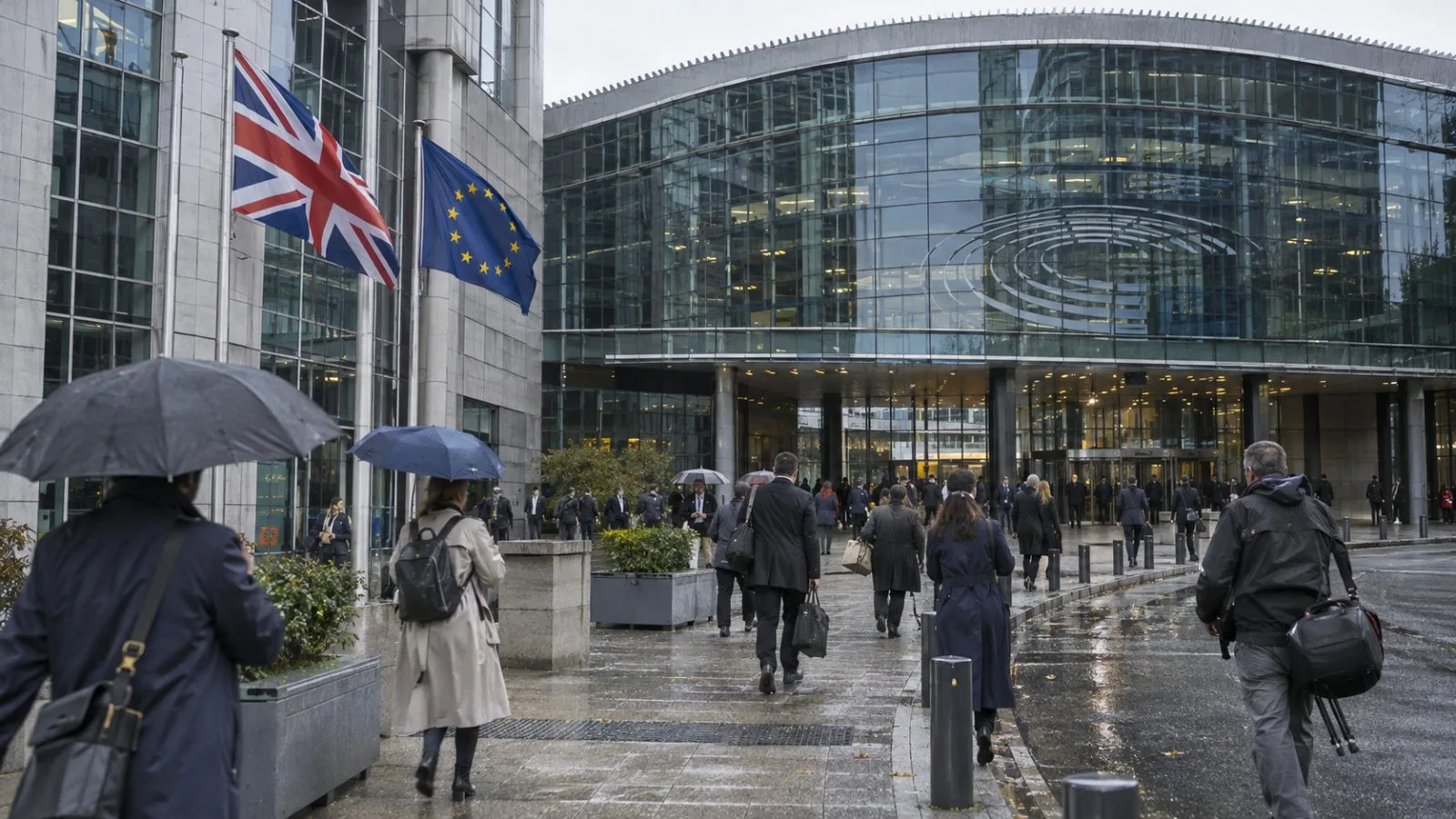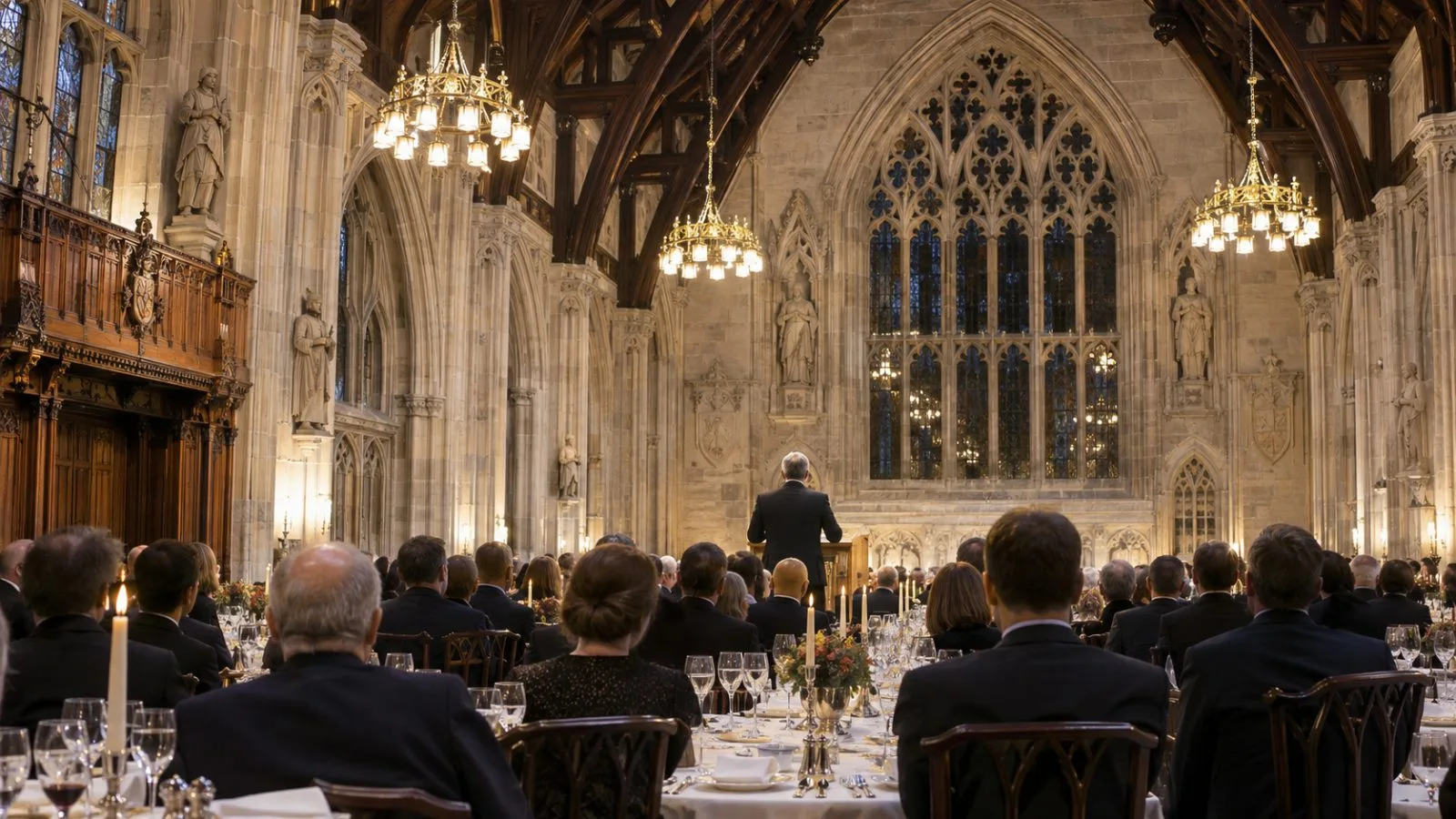
BRUSSELS, Nov. 20 — Britain and the European Union agreed measures on food trade, carbon markets and youth mobility at a summit that lowers some post-Brexit barriers while leaving the relationship’s longer-term shape unsettled.
Prime Minister Andy Burnham said the talks marked a break with years of division. “Today we do draw a line on a decade of drift and division,” he said in a summit speech.
A planned sanitary and phytosanitary agreement would create a common rules area for food, animals and plants. It is intended to remove most export-health and phytosanitary certificates and many border checks from March 1, 2028, subject to approval procedures.
The British government says exporters could save up to £200 per export-health certificate, about £25 per phytosanitary certificate and at least £127.60 per inspected load. The arrangement would restore EU access for products including fresh sausages, burgers, seed potatoes and molluscs. UK agrifood exports to the EU have fallen 32.5% since 2019, government figures show.
Britain and the EU also agreed to link their emissions-trading systems, targeting operation from Jan. 1, 2028. UK government analysis says nearly £6.5 billion of British exports could avoid carbon-border charges and estimates an annual economic gain of £3.8 billion by 2040.
A Youth Experience Scheme would allow 100,000 participants from each side annually, aged 18 to 31, to work, study, volunteer or travel in the other territory for up to three years. Participants would not receive benefits or gain rights to bring dependants. The first participants are expected no later than January 2030.
Several parts of the package remain subject to negotiation. Britain and the EU aim to complete talks on UK participation in the bloc’s internal electricity market in 2027, linked to a British financial contribution to reduce regional disparities. Tuition-fee discussions are targeted for completion within six months.
The summit also covered cooperation on Ukraine, cyber and hybrid threats, maritime security and defense industry. The sides agreed a Structured Dialogue on migration and joint work against smuggling networks under the Channel Action Plan. The British government said Channel crossings were down 40% from a year earlier.
European Council President António Costa said the EU remained open to “the closest possible relationship,” while preserving the single market’s four freedoms and the balance of rights and obligations. He said the bloc would respect whatever decision Britain makes about its long-term relationship with the EU.
Government modeling puts the package’s potential effect at 0.5% of UK gross domestic product by 2040, or roughly £17 billion annually. The estimate depends on legal approval and implementation of agreements whose deadlines extend into 2028 and beyond.
Euronews reported that Burnham is preparing a 10-year program focused on growth, reindustrialization and youth opportunities, and has proposed informal discussions with EU officials about a broader settlement. Burnham said the summit measures were “probably the limit of what we can achieve in this Parliament.”
The talks followed the framework established by the 2025 Strategic Partnership and earlier Brexit agreements, including the Withdrawal Agreement, Windsor Framework and Trade and Cooperation Agreement. Britain’s immediate test is putting the announced arrangements into operation, beginning with the food agreement planned for March 2028.