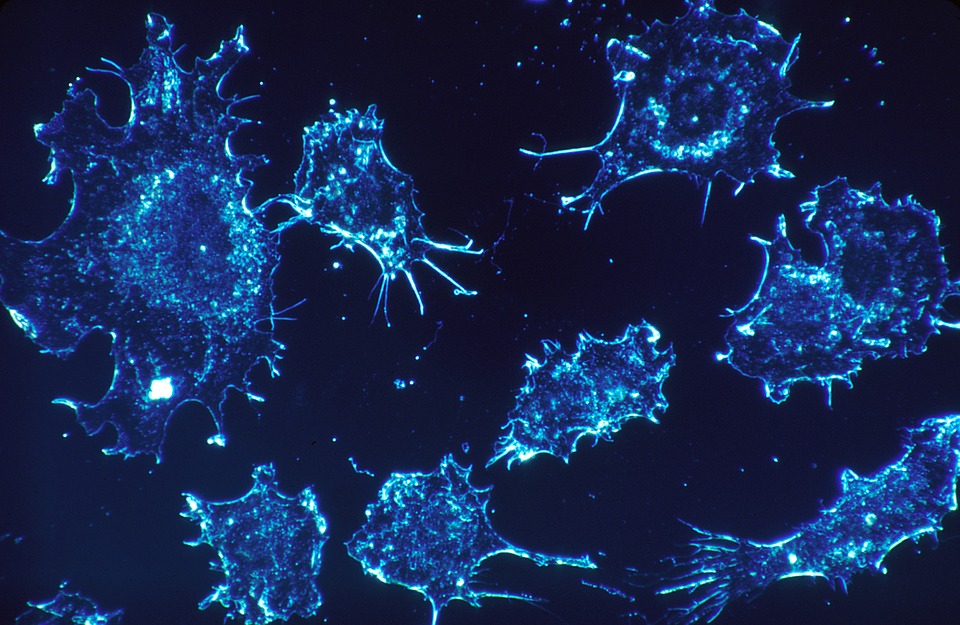
Cancer is currently one of the world’s leading causes of death in terms of diseases. One of the reasons why its many variations are so difficult to cure is the adaptability of cancer cells. In order to address the problem at its roots, researchers have been focusing on the role of metabolism in cancer cure development.
In a new study, researchers at the University of Michigan Rogel Cancer Center in Ann Arbor looked into how cancer stem cells lead to drug resistance in cancer, Medical News Today reports. Basically, while medication may work in treating one form of cancer, another dormant type can always come to life. This is why finding an effective cancer cure has proven so difficult.
The lead author of the study, Dr. Max S. Wicha, explained that conventional methods of curing cancer uses targeted treatment. While it may work for some time, eventually, the type of cancer cells being targeted may form resistance. They simply change form so that the targeted treatment no longer works.
In the paper, published on Cell Metabolism, the researchers reveal how they targeted metabolism to address this issue. Specifically, the scientists looked into the role of metabolism in enabling cancer cells to change form. This has to do with how dormant cancer cells use glucose while active cells use the mitochondria for fuel.
Using a two-pronged method, Dr. Wicha and his team cut off the connection of active cells to the mitochondria and manipulated glucose to do the same thing. For the first part, they used an arthritis drug. This method basically used the adaptive capabilities of the cancer cells to kill them, leading to a more direct form of cancer cure.
"Rather than just try to use toxic chemicals to kill a cell, we use the metabolism of the cell itself to kill the cancer," Dr. Wicha had said about their findings.
For their cancer cure research, the scientists focused on breast cancer cells, which they tested on mice. This method basically knocked the cancer cells out of the specimen, which is an encouraging sign for human patients.