SemiAnalysis lowered its global AI accelerator spending outlook to $923 billion for 2030, with U.S. data-center delays adding to slower net-new ARR growth and tighter infrastructure financing.
Spending is now projected at $758 billion in 2028, 28% below the prior estimate, and $923 billion in 2030, a 40% cut. SemiAnalysis ties the change chiefly to slower net-new annual recurring revenue (ARR) growth among frontier model labs in the third quarter and less available debt and equity financing for AI infrastructure, particularly projects without hyperscaler backing. The financing and lab revenue shifts mattered more to the revision than the delayed capacity, while its lab revenue projections still sit above market consensus.
NVIDIA accounts for the sharpest supplier estimate cuts: SemiAnalysis now expects computing revenue tied to its accelerator shipments to be 22% lower in 2027, 39% lower in 2028, 56% lower in 2029 and 66% lower in 2030. In the same years, estimated total power draw is down 14%, 35%, 50% and 59%, respectively. Computing revenue is the proxy used for shipments; power estimates cover total draw.
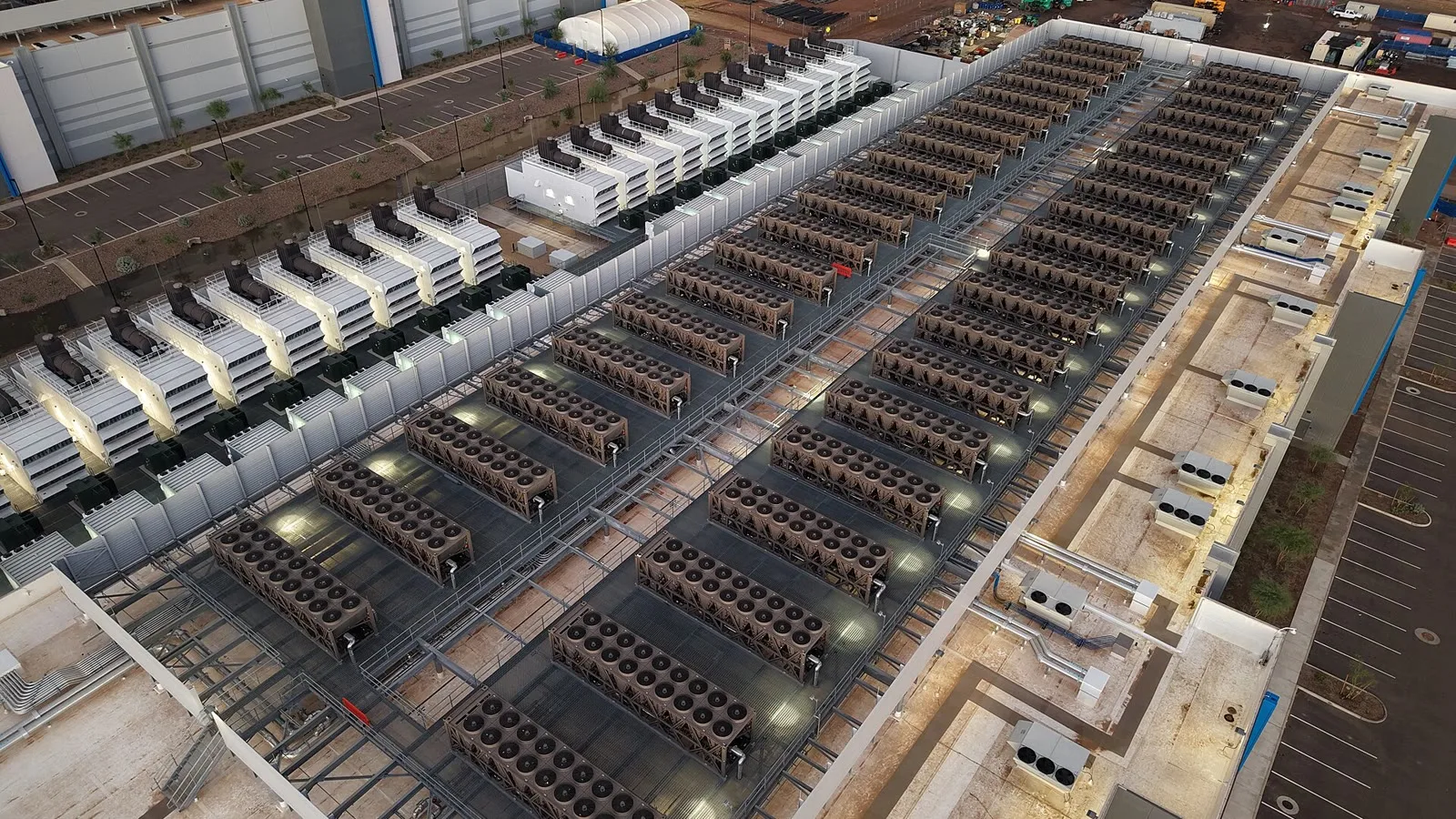
SemiAnalysis also incorporates a 5.8-gigawatt delay in U.S. data-center capacity, previously slated to come online between the second half of 2027 and the first half of 2028. Regulatory setbacks further trim the amount of capacity expected in 2028.
Broadcom's application-specific integrated circuit (ASIC) revenue projection for 2026-30 is 11% lower than before, although projected shipment volume is unchanged; SemiAnalysis links lower selling prices to cheaper high-bandwidth memory. Amazon's Trainium outlook for 2027 and 2028 also holds at its previous level.
The suppliers face different financing exposure. SemiAnalysis says Broadcom can act as guarantor on customer borrowing used for land, power, building shells and systems. NVIDIA has more business with smaller, long-tail neocloud operators, whose funding and project-delivery risks have risen.