Senate Democrats are linking restrictions on offensive operations in Iran to a Dec. 11 government funding deadline, while the Army delays disposal of an unstable explosive in Iowa that could affect local air monitoring.
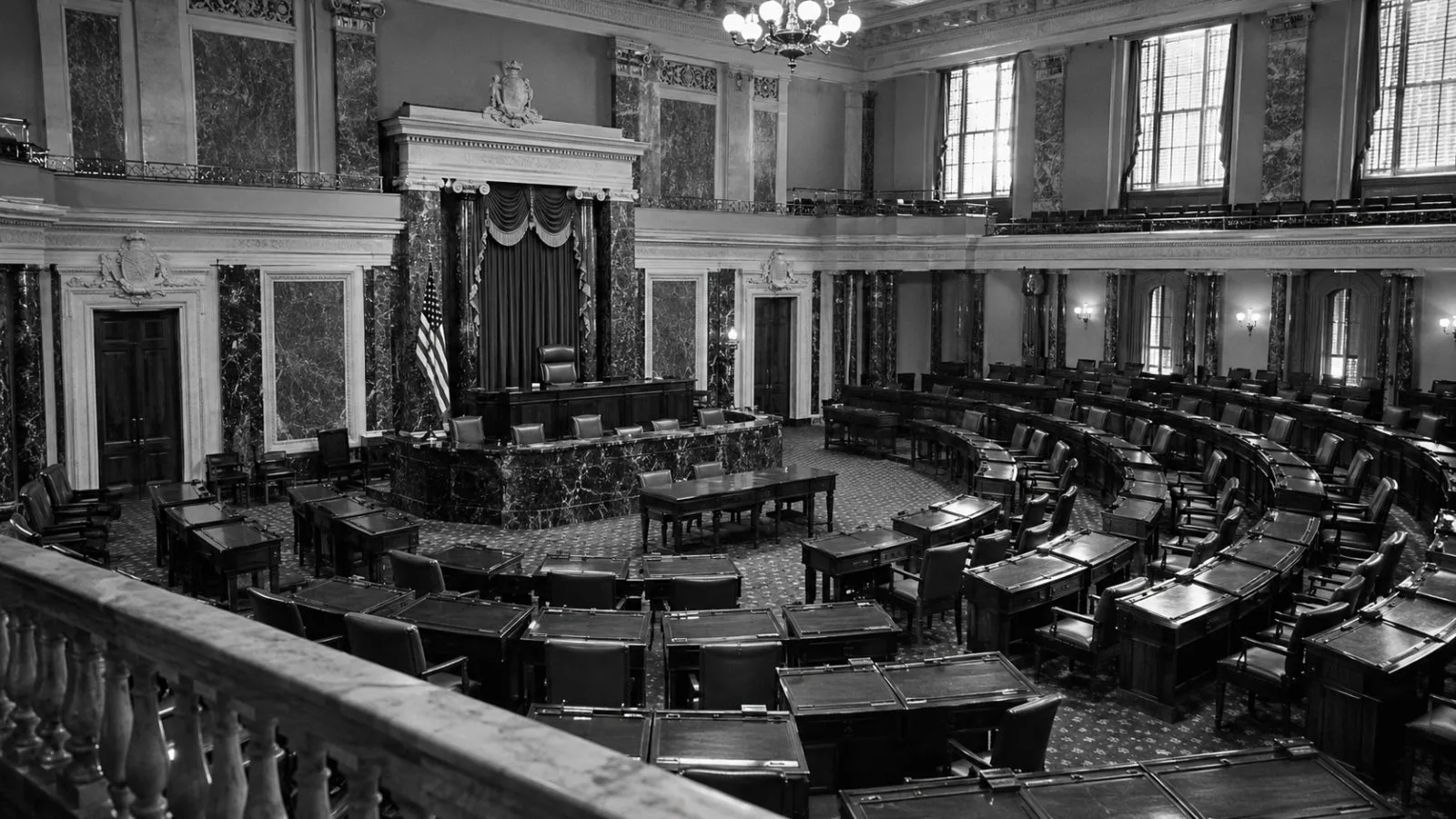
Sen. Kirsten Gillibrand, joined by Sens. Tammy Duckworth and Elizabeth Warren, proposed an amendment that would bar new funds for offensive missions while preserving money for troop self-defense. Gillibrand said the measure would stop new spending on offensive operations while protecting service members’ ability to defend themselves.
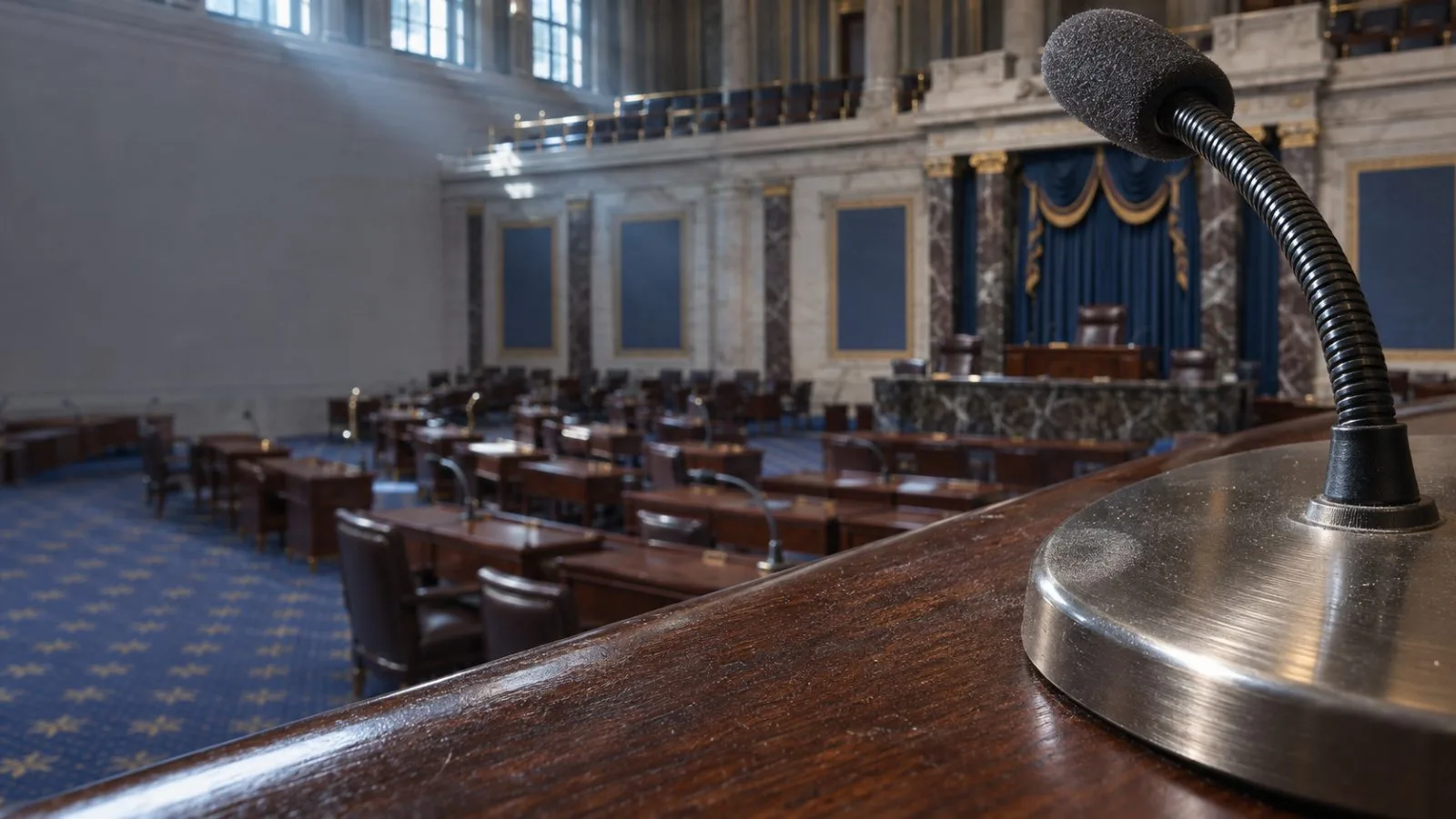
The push follows the Senate’s 48-51 rejection Nov. 19 of a War Powers Resolution directing President Donald Trump to remove U.S. forces from hostilities with Iran. Sen. Tim Kaine said Democrats would pursue additional measures if Trump did not end the conflict. The debate continues from earlier Democratic efforts to restrict Iran war funding.
NPR reported that Republican leaders need Democratic votes to reach the Senate’s 60-vote threshold for a funding measure. The outlet also said Republicans were considering alternatives, including reconciliation, if Democrats force a standoff.
Sens. Chris Van Hollen, Michael Bennet, Bernie Sanders and Duckworth opposed any short-term spending package that funds the war. Their joint statement cited more than 20 U.S. service members killed and hundreds wounded, as well as higher energy costs.
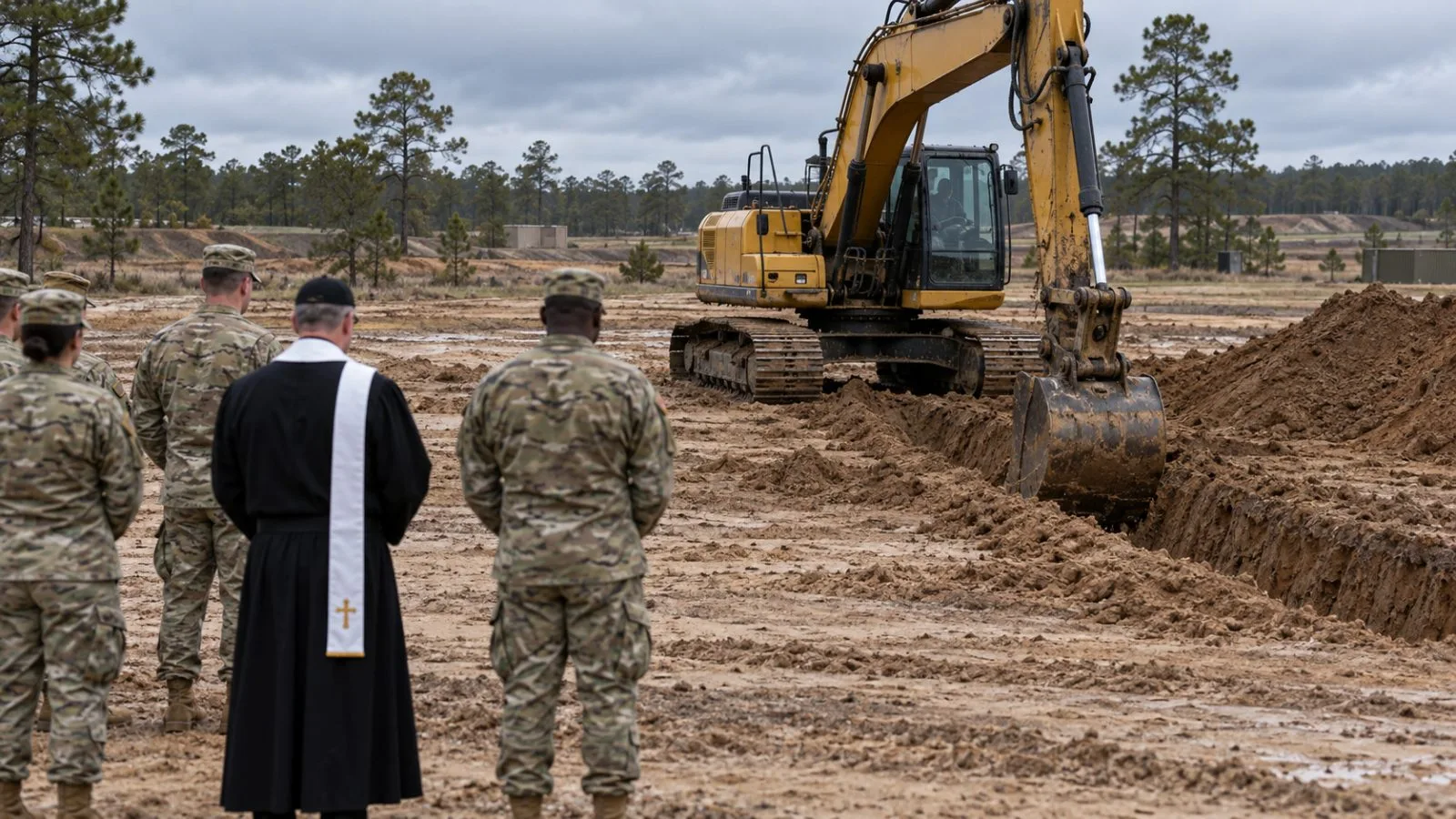
Separately, the Army postponed a planned detonation at the Iowa Army Ammunition Plant in Middletown from Nov. 20 to Monday, Nov. 23. Acting Secretary of the Army Adam R. Telle said the delay was intended to reach the latest possible moment before a forecast temperature drop that could further destabilize the material. “Public safety is the Army’s top priority,” Telle said.
The Army said it discovered the degrading lead azide in March 2026 and determined that moving it off-site posed an unacceptable risk. Officials selected controlled detonation at the plant as the lowest-risk disposal method.
About 9,500 pounds of the explosive had been stored for roughly 20 years in underground tanks containing water and ethanol, NPR reported. Inspections found the tanks too dry, allowing crystals to form.
An Army advisory said the blast could temporarily raise airborne lead particles and allow lead dust to settle on the ground, with exposure possible through inhalation or contaminated dust. NPR reported that the Army, Environmental Protection Agency and University of Iowa were expected to monitor air quality if the operation proceeds.
Reports available by publication did not say whether the Nov. 23 detonation occurred. The next major deadline in the funding dispute is Dec. 11.