A U.S. Senate plan to make digital commodity exchanges provide a certified annual financial statement to regulators remains stalled after lawmakers rejected a procedural bid to advance broader cryptocurrency legislation.
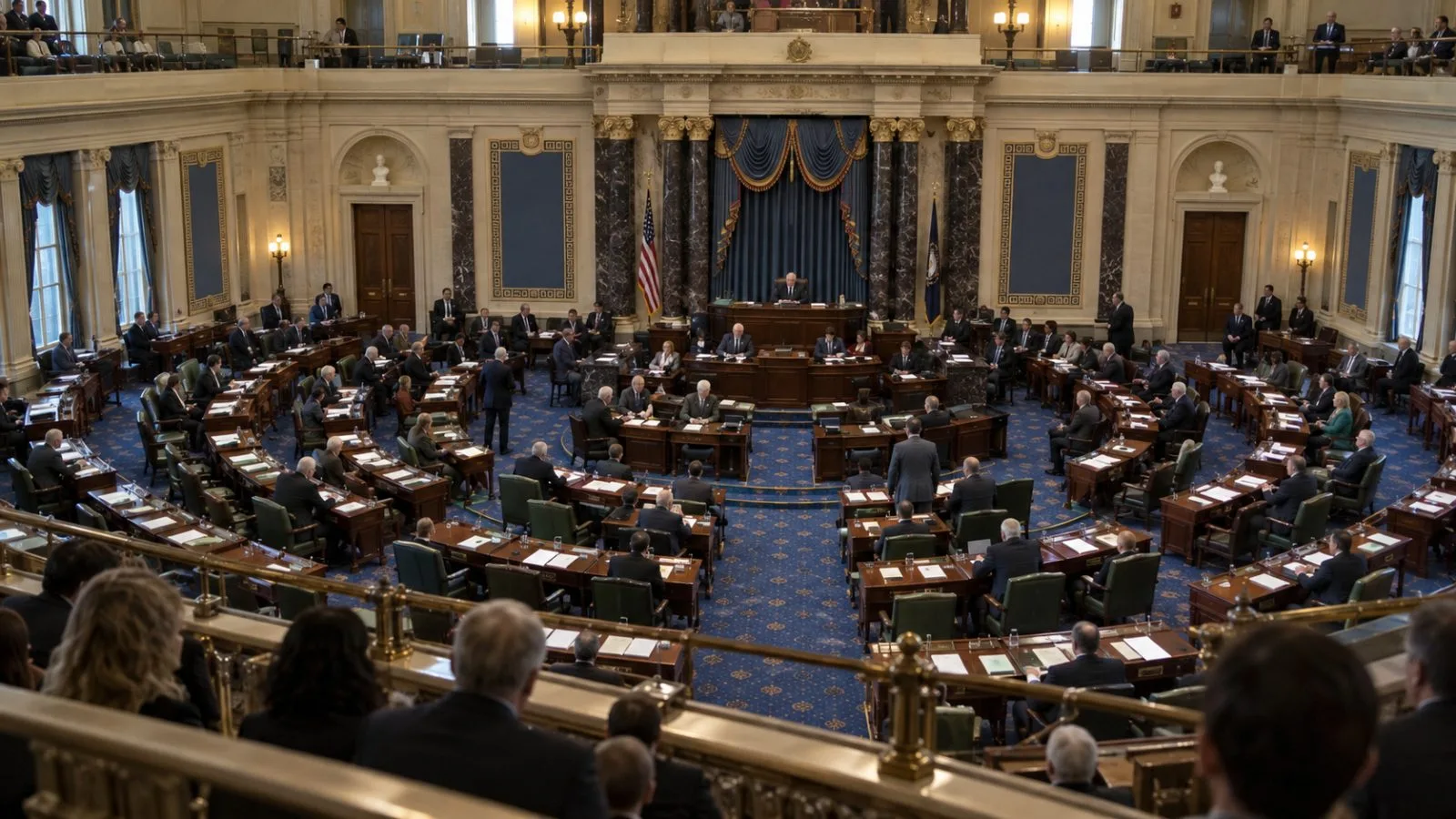
On Sept. 15, senators voted 49-50 against ending debate on a motion to take up H.R. 3633, the Digital Asset Market Clarity Act. They did not vote on the bill’s final passage or separately on the exchange provision. All Democrats who voted opposed the motion, as did four Republicans; one Democrat did not vote.
Sens. Cynthia Lummis, John Boozman and Tim Scott jointly released a Senate substitute draft on Sept. 14. Under the draft, each digital commodity exchange would have to provide the Commodity Futures Trading Commission (CFTC) with an annual financial statement certified by an independent public accountant. Exchanges would also have to preserve business records, including a complete audit trail, for five years.
The three senators intended to offer the substitute only if the procedural motion succeeded. Its reporting and recordkeeping duties therefore remain proposals. The wider measure would split responsibility for digital asset oversight between the CFTC and the Securities and Exchange Commission (SEC), while creating a CFTC office for retail commodity investors.
Lummis, a Wyoming senator, criticized Democrats after the vote for opposing the bill despite seeking changes during negotiations. Her office said the substitute included 126 substantive changes Democrats had requested. Her statement addressed opposition to the legislation broadly, without singling out the exchange accounting requirement.
Sen. Elizabeth Warren of Massachusetts argued before the vote that the bill’s ethics provisions did too little to address President Donald Trump’s crypto interests. She also raised concerns about consumers and national security. The bill had been the subject of earlier Senate negotiations over digital asset rules.
The proposed duties would place responsibility for providing certified financial information and keeping records on exchanges, while giving the CFTC that information for oversight. The exchange provisions await further Senate action.