Serbia’s ruling coalition faces an electoral challenge from student protesters in the Oct. 25 contest for 250 parliamentary seats, nearly two years after a deadly station collapse prompted calls for accountability.
The Republic Electoral Commission placed “Student List – Students Win” third in ballot order among 18 registered lists after approving it Sept. 15. Most lists need at least 3% of votes cast to enter parliament; lists representing national minorities are exempt.
Sixteen people died when a canopy at the Novi Sad railway station fell in November 2024. The Organization for Security and Co-operation in Europe’s Office for Democratic Institutions and Human Rights (ODIHR) says students first demanded accountability from state institutions and adherence to the rule of law. They began calling for an early election in May 2025, saying a vote would help advance those demands.
The student list’s 11-point program calls for public contracts to be disclosed and state projects to be reviewed. It also proposes cutting the maximum period of fixed-term employment to 12 months from 24 months. Physician Ilija Srdanović leads the roster, which the students say they chose through assemblies. Other candidates come from education, agriculture and a range of professions.
Former President Aleksandar Vučić left office Sept. 27 and became the top candidate on the “ALEKSANDAR VUCIC – UNITED SERBIA” list, led by the Serbian Progressive Party (SNS). ODIHR says the SNS and the Socialist Party of Serbia have held power together since 2012. Its interim report describes the United Serbia campaign as emphasizing stability, economic growth and foreign policy, while the student list has focused mainly on corruption.
ODIHR’s report records concerns from election contestants and civil society groups about misuse of state resources. Other interlocutors raised questions about media independence, while voter intimidation and pressure remain outstanding issues. A joint international observation mission found voter pressure and ruling-party advantages in Serbia’s 2023 parliamentary election.
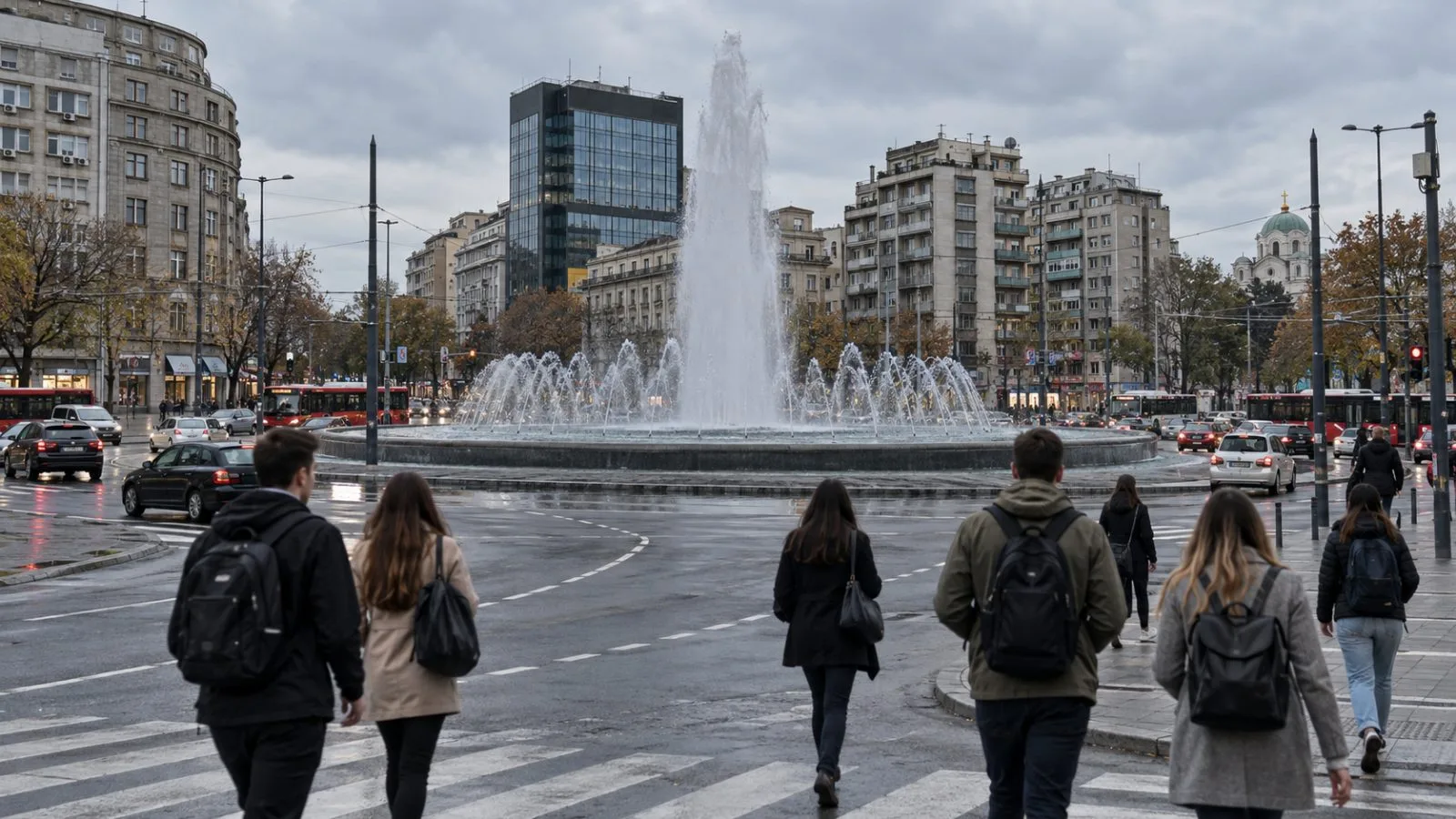
The election commission counted 6,450,523 registered voters as of Oct. 9. The students plan a closing rally in Belgrade’s Slavija Square on Thursday, Oct. 22, at noon ET (16:00 UTC). Voting is scheduled for Oct. 25, and a commission auditing the voter register is due to issue its first report Oct. 28.