


 European Stocks Rise as Oil Prices Fall Ahead of US CPI
  Oil Prices Fall as Russia Signals Higher Diesel Exports
  Bumble Shares Surge 50% on $1 Billion Buyout Talks
  IMF Maintains 2027 Global Growth Forecast at 3.4% Amid Rising Risks
  Ethereum Foundation-Linked Wallets Move $11.13M in ETH to Kraken
  NEAR Protocol Leads AI Crypto Rally Amid Fed Rate Hike Fears
  US Stock Futures Rise as Oil Prices Fall Ahead of Q3 Earnings
  RBA Signals More Rate Hikes as Inflation Risks Rise
  Zcash Price Drops 30% as ZEC Tests Critical $1,120 Support
  Nasdaq Faces Pullback to 26,225 Despite Bullish Outlook, UBS Says
  Philippines Current Account Deficit Seen at $19.1 Billion in 2026
  Bank of America Predicts Yen Rebound as USD/JPY Faces Risks
  South Korea Blocks 27 Crypto Exchange Websites in Regulatory Crackdown
  Gold's Tug-of-War: Geopolitical De-escalation Fights Falling Yields as Markets Eye US CPI
  MNX Crypto Exchange Launches Futures for OpenAI, Anthropic Valuations
  XRP Ledger Foundation Confirms 100B Supply Safe After Security Fix
  Most Americans Oppose Election Betting on Prediction Markets, Poll Finds


 Add as a preferred source on Google
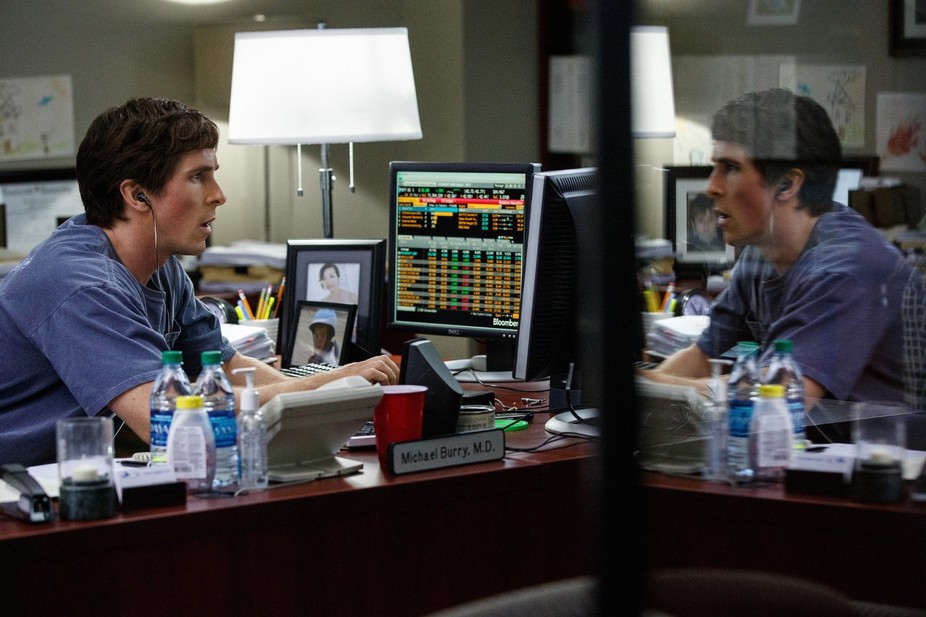

Banks may still be evading increased regulation by shifting activities to shadow banking. This system is well established as part of the financial sector, but it provides products that separate an investor from an investment, making it more difficult to evaluate risk and value.
This lack of transparency increases the risk in our financial system overall, making it vulnerable to the types of shocks that caused the 2008 global financial crisis. A current example is the so-called “bespoke tranche opportunity” offered by shadow banks. This is similar to the notorious collateralised debt obligations, packages made up of thousands of mortgage loans some of which were sub-prime, blamed for the global financial crisis.
Shadow banking is comprised of hedge funds, private equity funds, mutual funds, pension funds and endowments, insurance and finance companies providing financial intermediation without explicit public liquidity and credit guarantees from governments. Shadow banking is usually located in lightly regulated offshore financial centres.
In the period leading up to the global financial crisis, a large portion of financing of securitised assets that allowed regulated banks to exceed limitations on their risk-taking was handled by the shadow banking sector.
To this day, shadow banking continues to make a significant contribution to financing the real economy. For example, according to the Financial Stability Board, in 2013 shadow banking assets represented 25% of total financial system assets. While the average annual growth in assets of banks (2011-2014) was 5.6%, shadow banking growth stood at 6.3%.
A comparison of country-based share of shadow banking assets between 2010 and 2014 reveals the largest rise for China from 2% to 8%, while the USA maintains its dominance of the shadow banking markets with around 40%.
The failure of private sector guarantees to help shadow banking endure the global financial crisis can be traced to underestimated tail risks by credit rating agencies, risk managers and investors. Credit rating agencies lack of transparency, when it comes to explaining their methods (often disguised as “commercial-in-confidence”), continue to make it difficult for a third party to check assessments.
An excess supply of inexpensive credit also contributed to risk before the global financial crisis of 2008. This was because investors overestimated the value of private credit and liquidity enhancements.
One of the key challenges for regulators now is to devise rules and standards requiring shadow markets to hold enough liquidity to be sufficiently sensitive to risk. However, where investors and financial intermediaries fail to identify new risks, it is less likely that the regulators – who have fewer resources – will succeed.
Raising capital requirements can limit the capacity of financial intermediaries to expand risky activities, although monitoring overall bank leverage may be better. This is because credit ratings cannot be relied upon in the presence of neglected risks. Similarly, monitoring rising exposure of regulated banks to shadow banking or untested financial innovations can also become part of the regulator’s arsenal.
But there remains a major problem that is unlikely to be resolved by any regulation. Regulation is meant to strike a fine balance between close supervision and allowing space for financial innovation because loss of diversity can create stronger channels of transmission and could expose financial systems to greater systemic risk.
Too little regulation encourages excessive risk taking, while too tight a regulation is bound to strangle the financial sector that provides the lifeline for the economy. Striking such a fine balance is next to impossible in a dynamic, global financial sector.
The Basel Accords, set up to strengthen regulation after the financial crisis, will continue to play a key role in helping manage systemic risk like this. For example regulations can collect data that would be useful in macroprudential regulation, taking action to reduce various risks and remaining alert to unfolding trends on the ground.
Regulators need to heed the trends in shadow banking as part of this, to ensure transparency. However the nature of this sector, the long chains and multiple counterparties with unclear financial obligations, will continue to make the job of the regulator very difficult.
 Necmi K Avkiran does not work for, consult, own shares in or receive funding from any company or organisation that would benefit from this article, and has disclosed no relevant affiliations beyond the academic appointment above.
This article was originally published on The Conversation. Read the original article.







