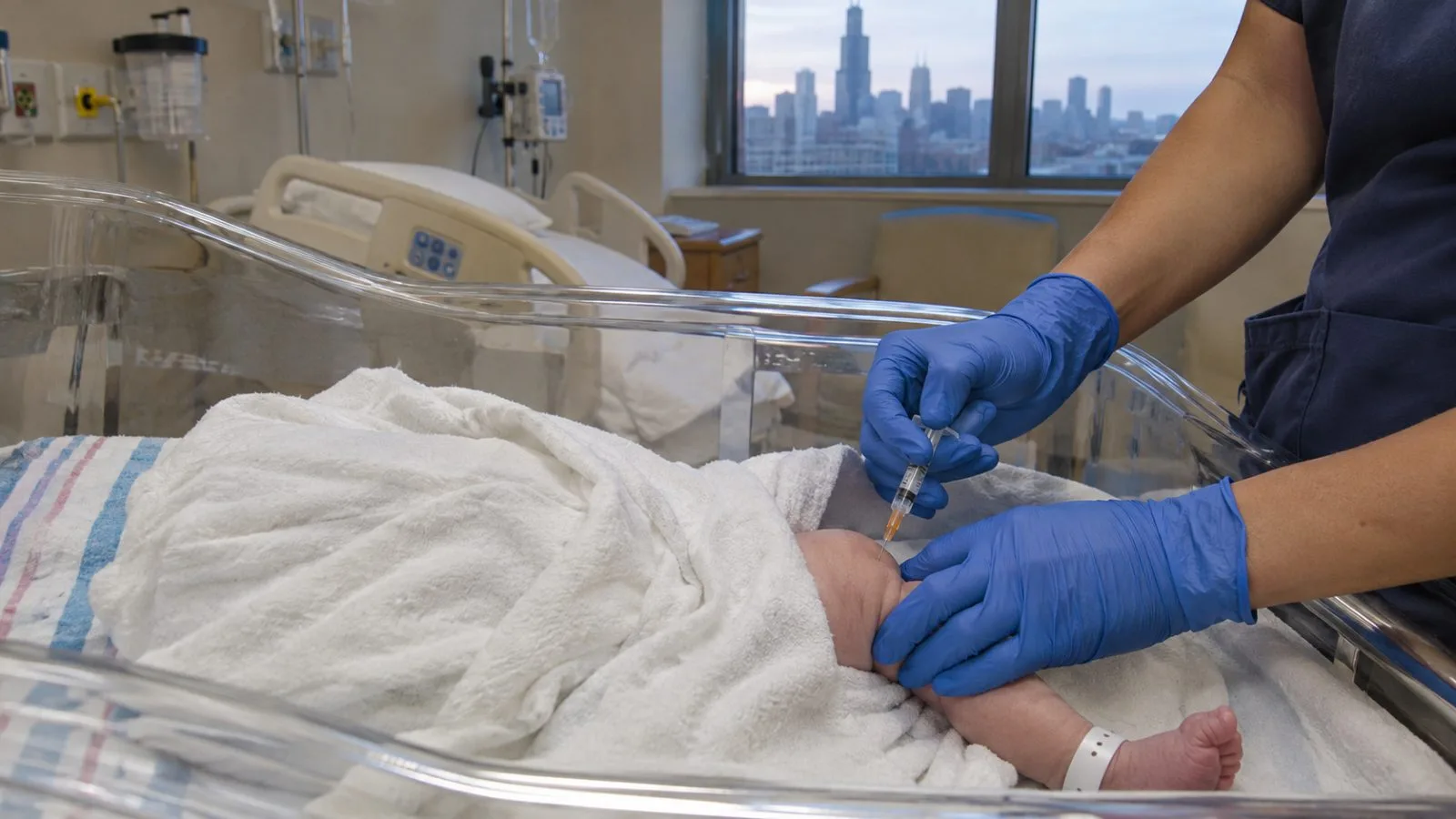
JAMA researchers found that the share of U.S. newborns with no recorded vitamin K injection more than doubled from 2017 to 2025, while coded bleeding diagnoses were more frequent in that group.
Researchers analyzed records for 5,240,780 infants born from 2017 through 2025 at hospitals in all 50 states that contributed data to Epic Cosmos. The cohort included babies born at 35 to 43 weeks of gestation. The share without a recorded injection was 3.1% in 2017 and 6.8% in 2025, a rise of 3.7 percentage points.
By age six months, coded bleeding diagnoses appeared at a rate of 288 per 10,000 infants without a recorded injection, compared with 185.9 per 10,000 among recipients. After adjustment, researchers estimated a 47% higher risk for infants without a recorded dose. Their adjusted risk of coded bleeding in the brain was 2.43 times that of infants who received vitamin K.
During the birth hospitalization, deaths recorded alongside a bleeding diagnosis occurred at a rate of 2.9 per 10,000 infants without a recorded injection, compared with 1.1 per 10,000 among recipients. The adjusted risk ratio was 2.69. Researchers said the records could not establish whether bleeding caused the deaths or occurred before them.
The study counted coded bleeding diagnoses, so it did not establish that every event resulted from vitamin K deficiency. Diagnoses rose over the study period among infants with and without a recorded injection, but the increase was steeper in the group without one. Researchers said the broader rise had no clear explanation.
Electronic records also could not determine whether infants without an injection received oral vitamin K, leaving the study unable to compare oral dosing with the shot. An editorial published alongside the study urged a broader education effort, improved tracking of bleeding cases and a regulated oral option for families who decline the injection.