Siksika Nation has sought electoral accountability after saying ballot shortages at First Nations polling sites in Alberta caused long waits during the province’s Oct. 19 referendum.
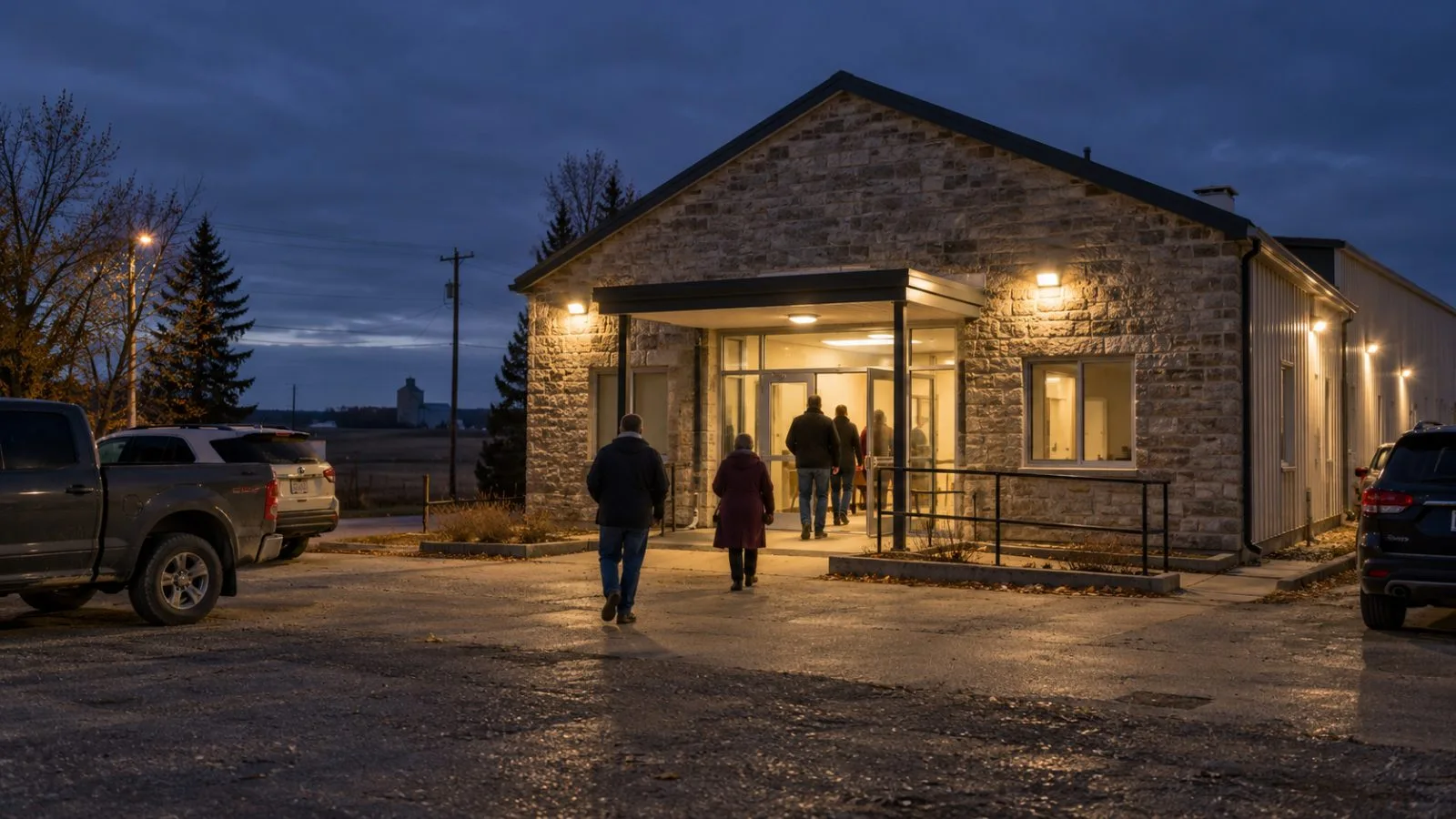
In an Oct. 20 statement, the Nation said polling places on its territory and in other First Nations communities had too few ballots and inadequate resources. It said many members faced lengthy waits and barriers to voting, while welcoming the apparent result favoring Alberta’s continued place in Canada.
Chief Samuel Crowfoot said he was seeking a formal explanation from Elections Alberta about how it assigned polling staff and distributed ballots and other supplies, Global News reported. The Canadian Press reported that Tania Cameron, who worked to increase First Nations turnout, said several polling places had requested extra ballots and that the agency should have planned better for demand.
Elections Alberta spokesperson Kevin Duncan told Global News that historical data guided ballot allocations. He said some communities needed multiple deliveries after turnout exceeded expectations.
Advance voting ran Oct. 13-17. Elections Alberta reported 1,356,873 advance votes and special ballots, equal to 43.1% of 3,148,343 eligible electors. The agency cautioned that this figure is not directly comparable with 2023, when special ballots were not available to all eligible electors.
The ballot had 10 questions, each on a separate ballot. Question 10 asked voters to choose between Alberta remaining a province of Canada and the Government of Alberta beginning the constitutional process for a future binding referendum on separation. Elections Alberta says the question’s result is nonbinding.
Siksika Nation also credited its advocacy, public education, litigation and community engagement with keeping Treaty rights, Indigenous sovereignty and First Nations-Crown relations in the referendum discussion. Elections Alberta has scheduled its official results announcement for Oct. 29.