


 Cardano Price Eyes $0.30 as ADA Whale Activity Surges
  Broadcom, Oracle and SpaceX Seek Billions in Private Debt for AI Expansion
  JPMorgan CEO Jamie Dimon Warns Mythos AI Raises Cyber Risk Tenfold
  Nvidia-Backed Reflection AI Launches Beam Open-Weight Model
  Zcash Mining Profits Surge as Liquidity Risks Grow
  Cardano Price Surges 10% as ADA Targets $0.30
  AI Agents Could Disrupt Financial Services, Bernstein Says
  Zcash Prepares for NU7 Upgrade as Zebra Gets Key Security Fixes
  San Francisco Halts New Data Center Construction With 45-Day Moratorium
  Marvell Stock Surges on $90 Billion AI Revenue Outlook
  Bitcoin Price Falls Below $83K as Liquidations Hit $697M
  Solana User Growth Jumps 33%, Outpacing Ethereum and Chainlink
  Intel Reaffirms Role in Elon Musk’s Terafab Chip Project
  California AG Subpoenas OpenAI Over AI Cybersecurity Incidents
  Meta and Microsoft Cut Internal Claude AI Use


 Add as a preferred source on Google
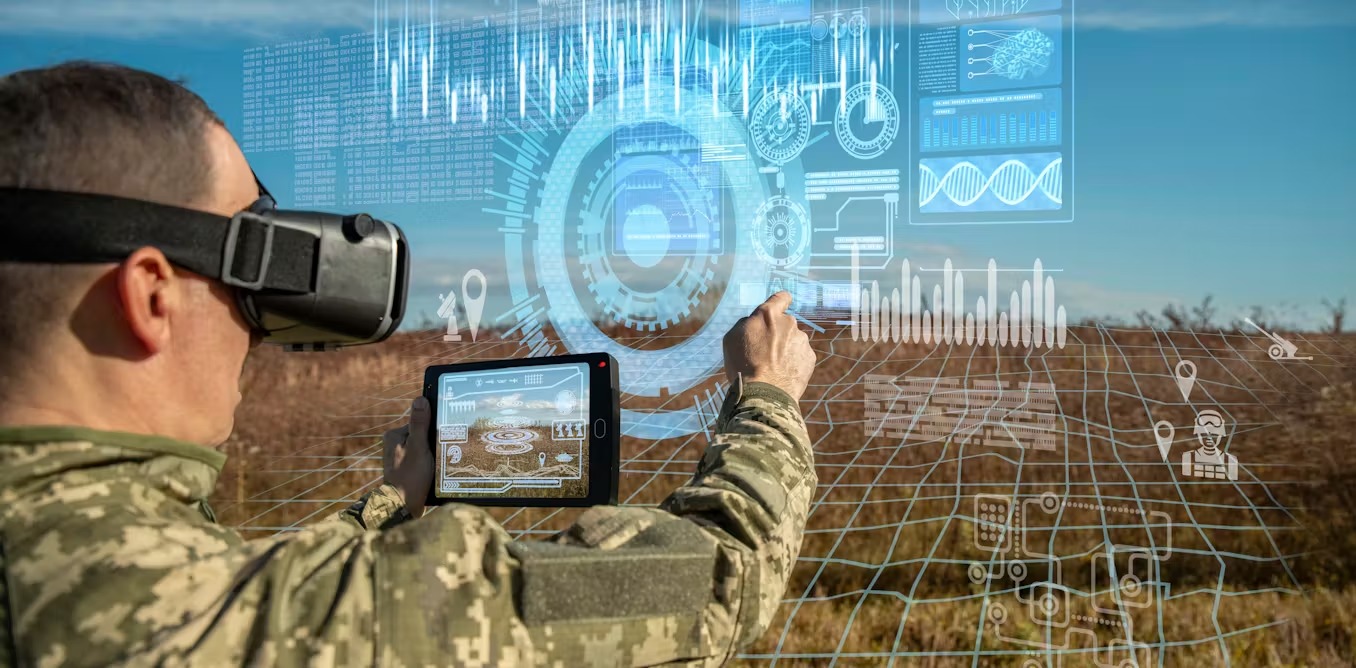

From Gaza to Ukraine, today’s war zones are being used as testing grounds for new systems driven by artificial intelligence. Billions of dollars are now being pumped into AI weapons technology, much of it from Silicon Valley venture capitalists.
In this episode of The Conversation Weekly podcast, we speak to Elke Schwarz, who studies the ethics of autonomous weapons systems, about what this influx of new investment means for the future of warfare.
The insertion of AI into the defence industry is now attracting serious amounts of money. In 2024, the global military AI market was worth an estimated US$13.3 (£10.8) billion, with a projected growth to US$35 billion in the next seven years. Elke Schwarz, a reader in political theory at Queen Mary University of London in the UK, has just published new research which identifies that a key driver of the growth in military startup products, such as autonomous drones and other AI-enabled systems, is the influx of huge amounts of investment and influence from venture capital firms.
Venture capitalist investors have traditionally been wary of the defence sector. US military contracts tended to be won by a select few large companies and it was an industry deemed difficult to break into. Schwarz says it also remained “ethically frowned upon” to profiteer from conflict. But these “moral qualms were shifted aside very quickly”, she says, once it looked possible to disrupt the defence sector.
In 2016, technology start-up Palantir sued the US Army over what it said were procurement rules that excluded other companies from competing for a particular contract. In 2016, a judge ruled in favour of Palantir’s case and it subsequently secured a contract worth US$823 million. This paved the way for more start-ups to bid for contracts. In December, the Financial Times reported that Palantir and another defence start-up called Anduril were in talks with around a dozen other tech companies, to create a consortium that would directly bid for US government work.
VC logic heads to the battlefield
Successful start-ups must grow fast and be ambitious if they’re to continue attracting rounds of investment. And this logic influences the narrative around start-ups promoting AI products, says Schwarz.
You have to make big promises. You have to think big. You need to declare big intentions, possibly unobtainable, but really alluring kind of goals. We’re not saying it’s all fantasy, but certainly there’s an exaggeration to all of that … and you need to make yourself look indispensable, to create a vision of inevitability.
Using this language of inevitability, Schwarz says the most vocal start-up founders and their VC supporters claim that “warfare can only be won with more AI”. They argue that AI systems will allow wars to be won quicker and with more precision than in the past.
But her research questions the implications of inserting AI systems into military decision-making, and in particular, the kill chain. She points to a report by the investigative magazine +972 on Israel’s alleged use of AI-enabled systems in the Gaza war to help identify Hamas militants for targeting by possible air strikes. For Schwarz, such developments suggest that “there can be a tendency to use technologies in a rather indiscriminate, or imprecise fashion, regardless of how accurate they might be”.
And she worries that instead of solving conflict more humanely and with less violence, as AI military champions suggest, these systems might actually “lower the threshold to resort to force”.
Listen to the interview with Elke Schwarz on The Conversation Weekly podcast to find out more. A transcript is available on Apple Podcasts. You can also read an article she’s written for The Conversation’s Insights series about her research.







