Singapore is reviewing how copyright rules apply to AI training as artists impose limits on commissioned work, putting creator protections and commercial use at the center of a consultation that closes Thursday, Nov. 5.
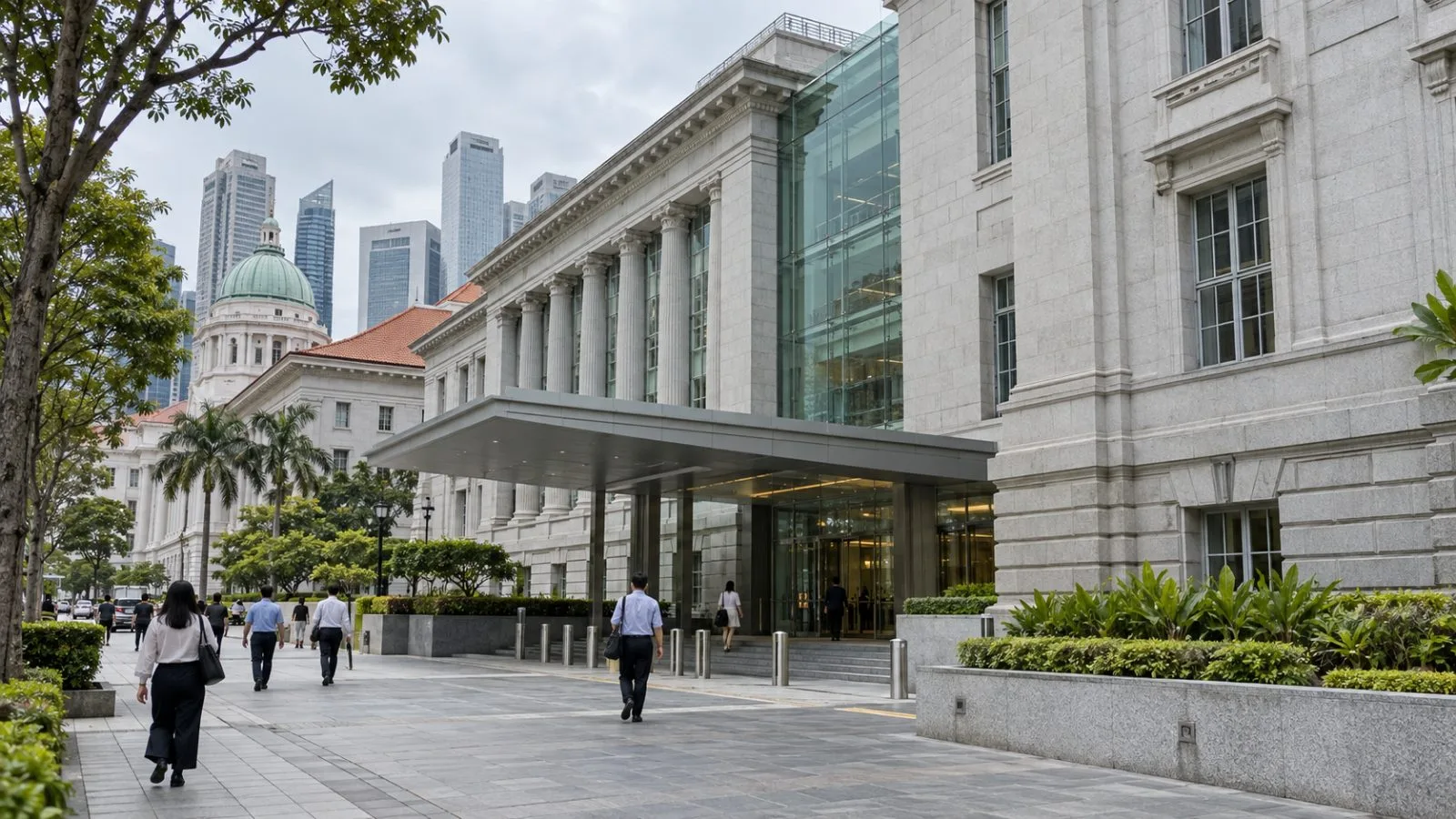
The Ministry of Law and the Intellectual Property Office of Singapore (IPOS) are seeking views on whether current rules for computational data analysis are clear, what safeguards rights owners need and how to recognize human contributions to AI-assisted work. The ministry frames the policy challenge as protecting human creativity and investment while supporting innovation for the public good.
Section 244 of Singapore’s Copyright Act 2021 permits some copying for computational data analysis, subject to conditions that include lawful access and use only for that purpose. The Ministry of Law says the exception was intended to cover generative-AI training, including commercial activity, and is asking whether clearer rules or further safeguards are needed.
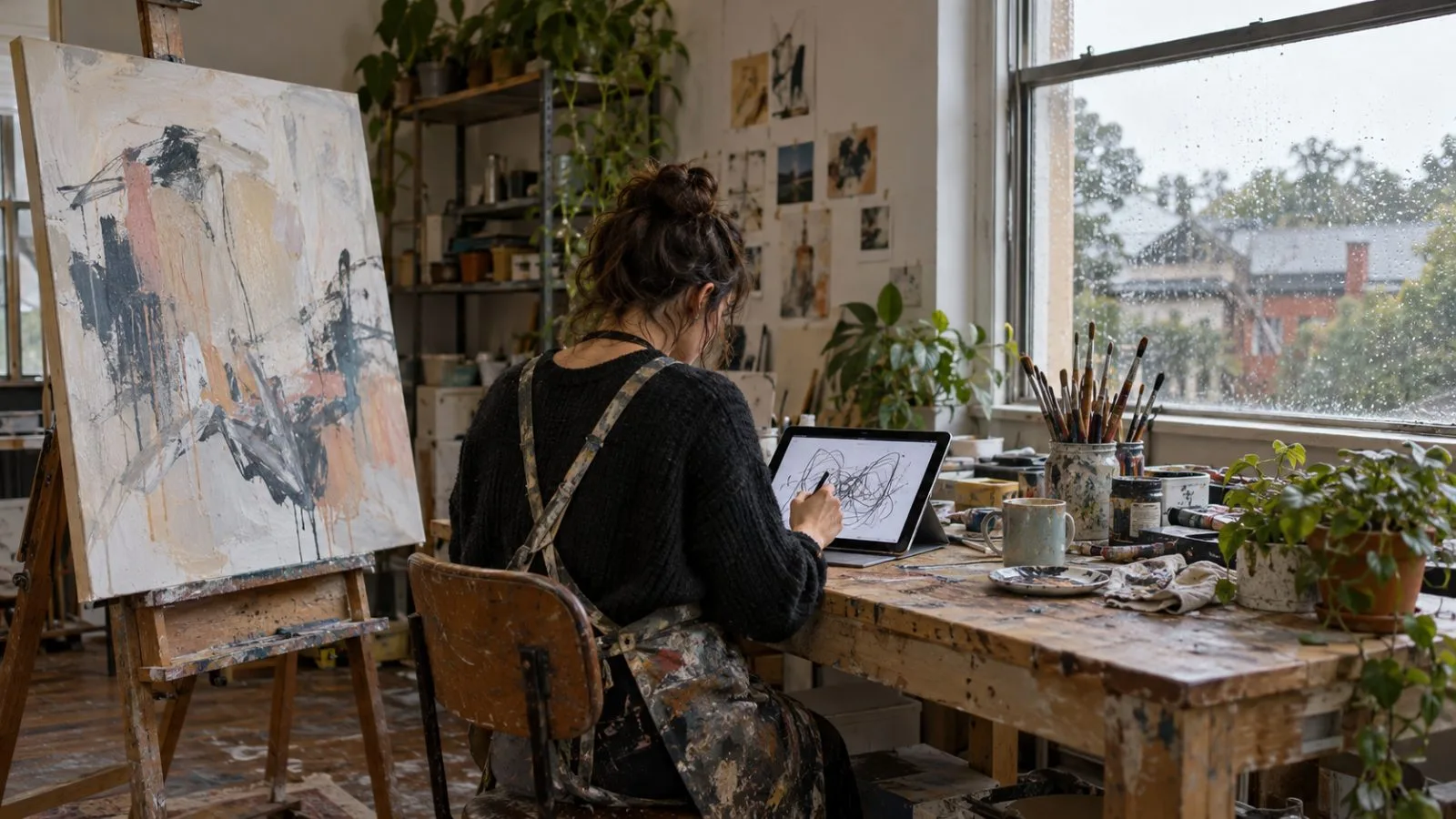
Channel NewsAsia (CNA) reported that illustrator Farihath Samsul’s client terms bar clients from using generative AI to alter, reproduce or process her commissioned work. Felicia Low-Jimenez, co-founder of publisher Difference Engine, told CNA that the company rejects AI-generated submissions and does not put creators’ work into generative AI. “We would never put a creator’s work into generative AI,” she said.
Artists also use technical tools, though research has found limits to their protection. The University of Chicago’s Glaze project says it makes small image changes to hinder style mimicry; its Nightshade project aims to discourage unauthorized training on scraped images. A 2024 study by Hönig et al. found that low-effort image processing could bypass protections it tested. Glaze’s developers later said their tests showed version 2.1 offered stronger protection than earlier versions, while cautioning that one test cannot capture every effect.
The Straits Times reported that Cara, an artist platform founded by Singaporean photographer Zhang Jingna, was scraped three times in August 2026 despite “NoAI” tags. One incident involved a scraper collecting more than 12 million images and led to server fees of a few thousand dollars, the newspaper reported.
OpenAI says its foundation models may be trained on publicly available online information, data from third-party partners and material provided or generated by users, human trainers and researchers. It says datasets can include images.
CNA reported that some artists use AI for brainstorming or because of livelihood pressures. Associate Professor Bernhard Schmitt of Nanyang Technological University’s School of Art, Design and Media told CNA that automation and machine learning have been used in animation for decades, while generative AI is the more disruptive development. Videographer Muhammad of Ihasamic! argued that safeguards should come through collective action rather than rest with individual creators.
The consultation page sets Thursday, Nov. 5, as the submission deadline and gives no date for a government decision.