Singapore and Rwanda have authorized a Rwandan clean-water project for carbon transfers, the first such clearance in Singapore’s six active bilateral climate pacts and a link between household water treatment and the Paris Agreement’s cross-border emissions market.
The authorizations cover a maximum of 787,651 tonnes of carbon dioxide equivalent in internationally transferred mitigation outcomes (ITMOs) from June 1, 2026, through Dec. 31, 2030. The letters set a ceiling for authorized transfers; they do not show that credits have already been issued. Singapore’s letter is dated Nov. 12, and Rwanda’s letter, also dated Nov. 12, took effect Nov. 13.
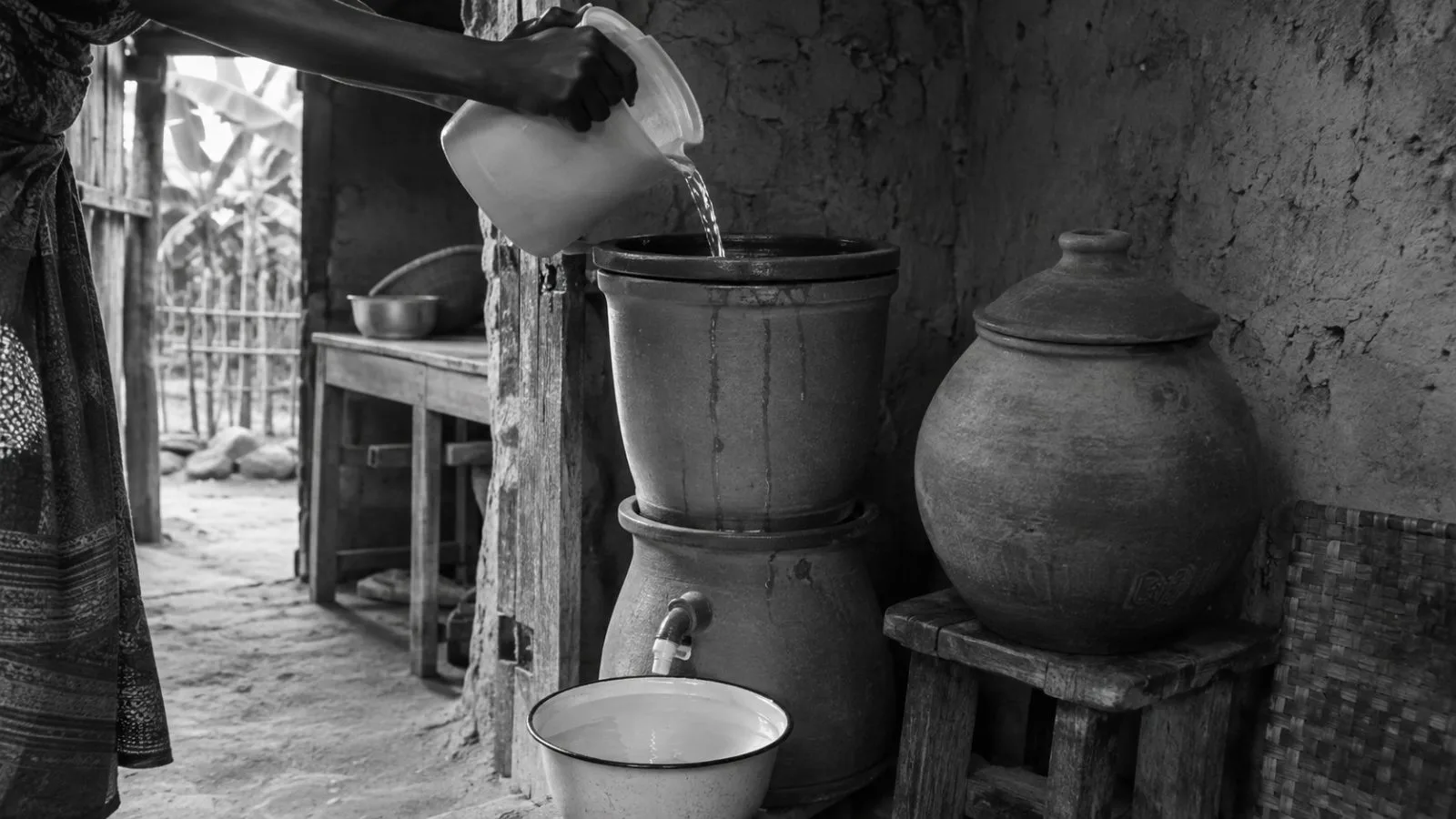
Climate Bridge International Pte. Ltd. is developing Safe Water Supply in Rwanda, which plans to distribute 300,000 ceramic filters to households and early childhood development centers, with Western Province a focus. The National Environment Agency (NEA) estimates about 1.8 million people may benefit. For 2026 to 2030, the agency projects mitigation of around 780,000 tonnes of carbon dioxide equivalent, a separate estimate from the authorized-transfer ceiling.
The filters are intended to make drinking water safe without boiling it over firewood or charcoal. NEA says reducing use of those fuels could lower emissions and indoor air pollution. It also expects less firewood gathering to leave residents more time for education, income-generating work and community participation.
The Singapore-Rwanda arrangement operates under Article 6 of the Paris Agreement, which provides a framework for authorizing mitigation activities and transferring outcomes between countries. Singapore-based companies liable for carbon tax can use eligible credits to offset up to 5% of their taxable emissions. Singapore has also committed to cancel 2% of correspondingly adjusted credits at first issuance and direct 5% of their value toward adaptation measures in Rwanda.
Singapore’s authorization requires a binding offer to the Singapore government for at least 30% of each batch of tradeable authorized ITMOs. The requirement is for an offer; it does not establish that a purchase has occurred.
Singapore’s process calls for project implementation and independent verification of emissions reductions before credits are issued, followed by an application to authorize the resulting mitigation outcomes. NEA said more than 20 other projects under the Singapore-Rwanda agreement were under assessment.