Singapore is targeting around 6 gigawatts of low-carbon electricity imports by 2035, putting cross-border power trade at the center of its effort to curb emissions as limited land restricts solar growth.
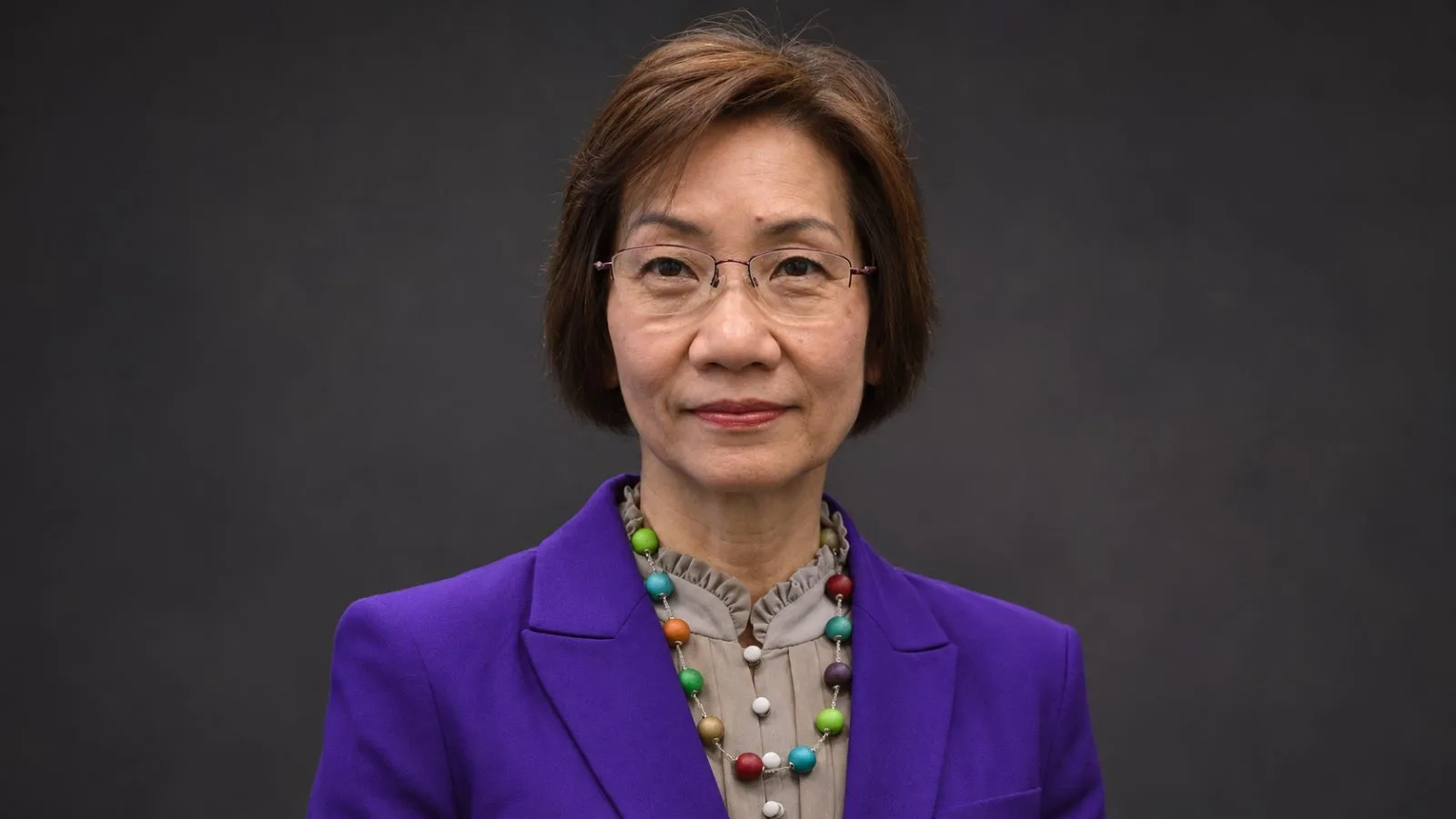
At the U.N. climate talks in Antalya on Nov. 17, Grace Fu, Singapore's Minister for Sustainability and the Environment, said land constraints limit how much domestic solar can contribute to future power needs. She described imports as an important part of the transition and said projects should be commercially viable compared with other emissions-cutting options.
The Energy Market Authority (EMA) says imported natural gas generates about 95% of Singapore's electricity. EMA also sets out the target for low-carbon imports as part of its regional power grids plans.
Singapore said it reached its earlier solar deployment target of 2 gigawatt-peak (GWp) ahead of schedule. It has raised its 2030 goal to 3 GWp and aims for 4 GWp by 2035. The government is implementing a biomethane regulatory sandbox of up to 300 megawatts. Fu estimated that its maximum capacity could serve demand equivalent to about 600,000 households in public flats.
Fu said Singapore raised its carbon tax to S$45 per tonne of carbon dioxide equivalent in 2026, from S$25, and aims for S$50 to S$80 per tonne by 2030. She also said the government would invest S$800 million over five years in low-carbon technology development.
Fu announced the Singapore Green Cooperation Programme, an umbrella for the country's climate-related development partnerships. Singapore's Ministry of Sustainability and the Environment says the programme follows a three-year Sustainability Action Package launched during COP27. Singapore also pledged US$500,000 to the Pacific Resilience Facility. The Ministry of Foreign Affairs describes the Pacific-led institution as supporting community projects in climate adaptation, disaster preparedness and early response.
The Straits Times reported that COP31 discussions included concerns about transition costs for fossil-fuel workers and lower-income households. Its report did not provide a Singapore-specific impact estimate.
Singapore is targeting 2027 for release of its first National Adaptation Plan. It also plans to undertake a Phase 1 Integrated Nuclear Infrastructure Review (INIR) mission by the International Atomic Energy Agency (IAEA) that year. The mission will evaluate Singapore's preparedness as it considers whether to pursue nuclear power. Singapore's Association of Southeast Asian Nations chairmanship in 2027 is also expected to advance regional climate cooperation, including work on the ASEAN Power Grid.