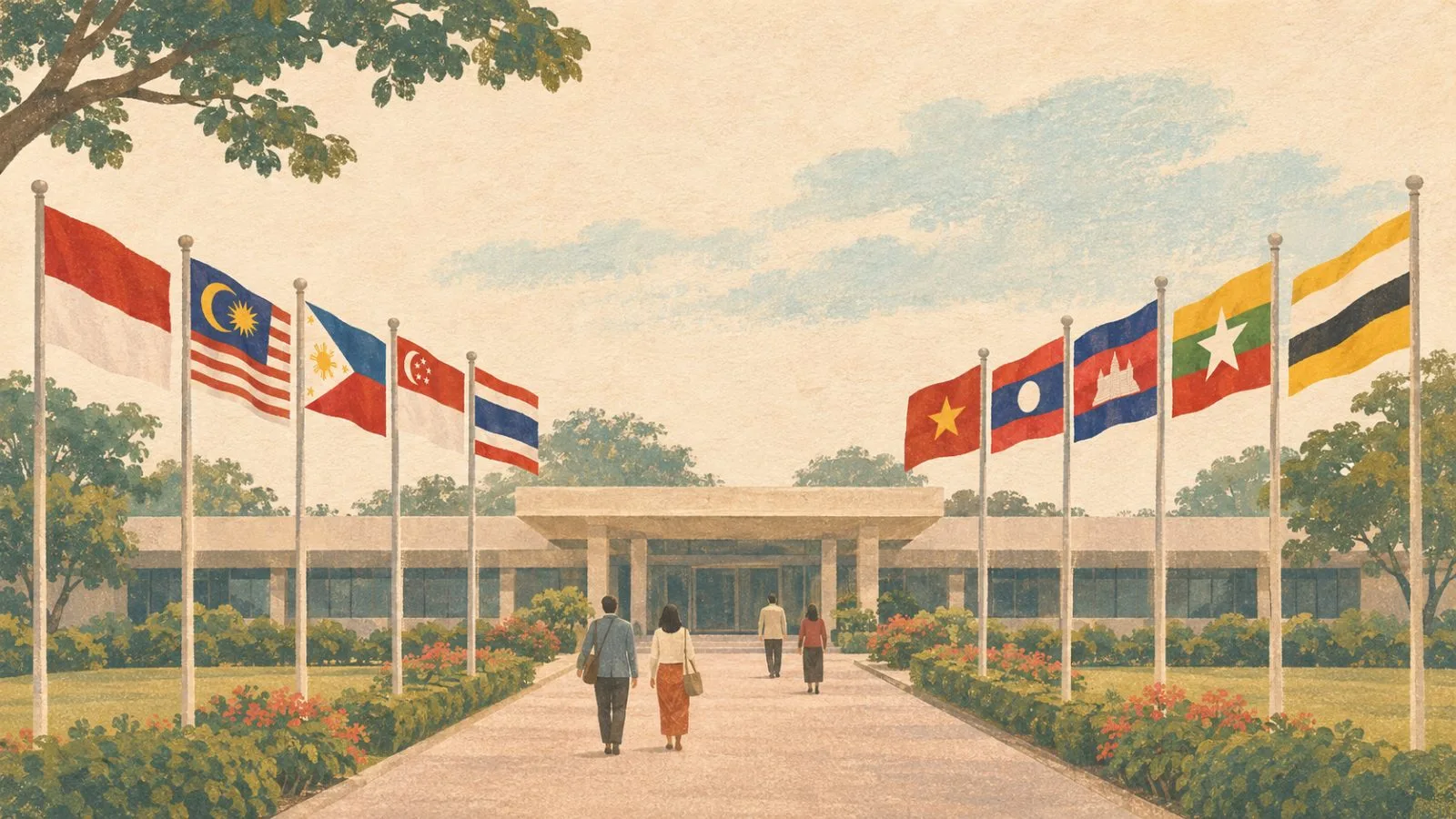
Singapore will use its 2027 chairmanship of the Association of Southeast Asian Nations (ASEAN) to advance a single market agenda aimed at expanding regional business and work opportunities.
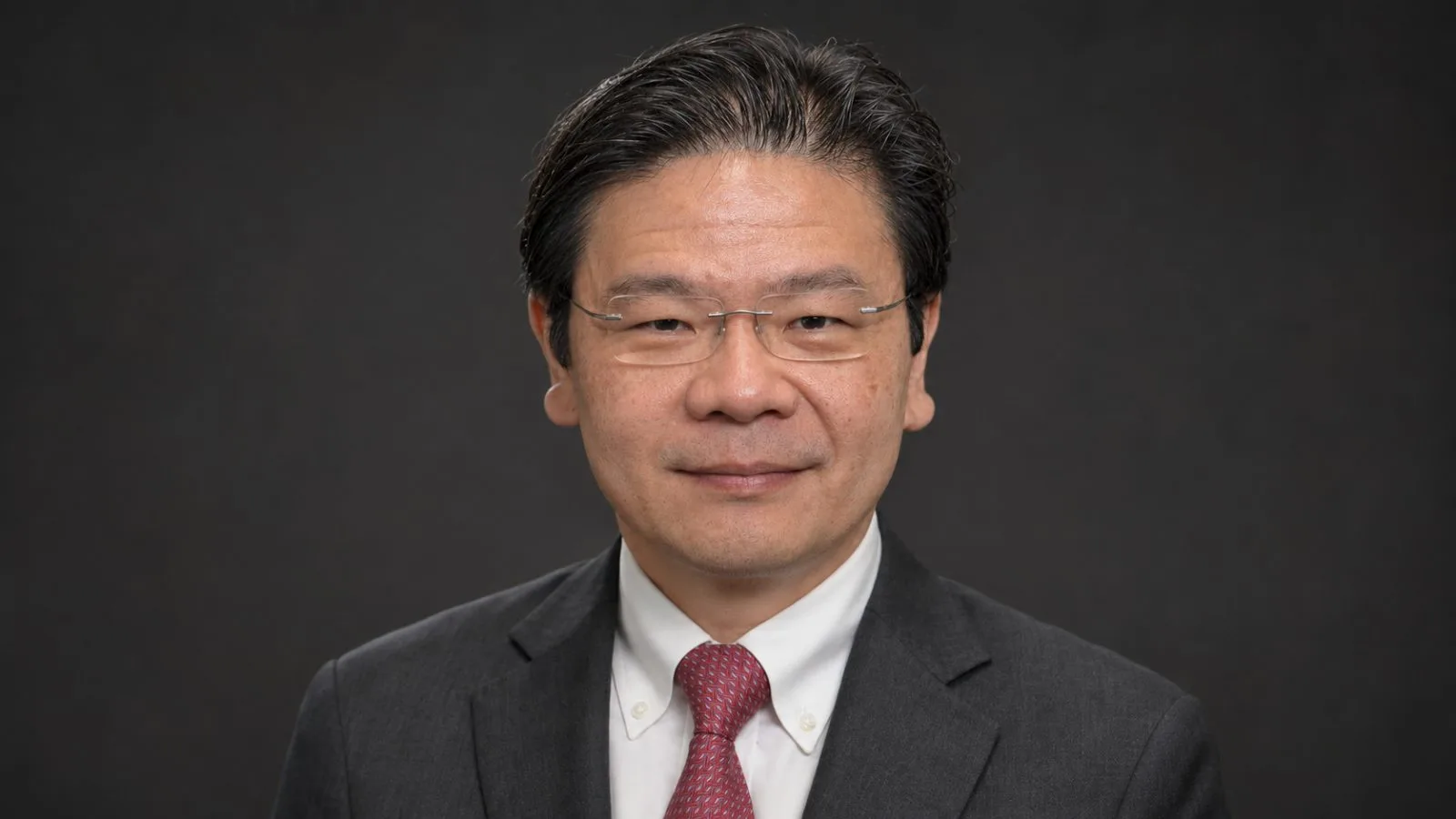
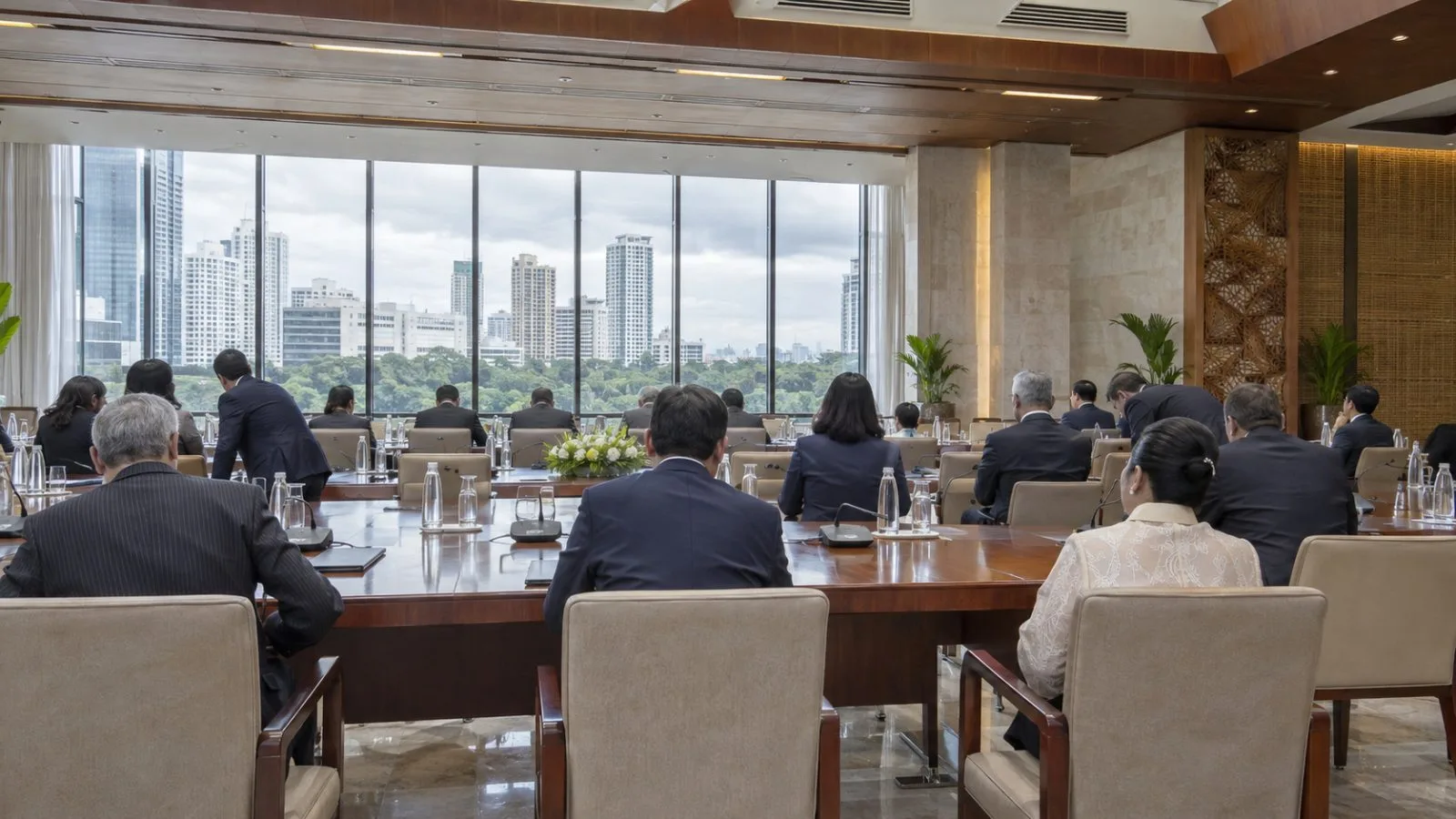
Singapore received the chairmanship gavel from the Philippines on Nov. 17 at the close of the 49th ASEAN Summit in Manila. Wong set “Deeper Integration, Wider Partnerships” as the chairmanship theme, continuing an agenda outlined in earlier EconoTimes coverage of Singapore’s 2027 chairmanship.
Wong called for further steps to make it easier for businesses to operate across member states and for people to have more opportunities to work and invest in the region. He named finance, digital technologies and energy as areas for closer cooperation, putting cross-border commerce and mobility at the center of Singapore’s agenda.
Wong linked the integration push to intensifying competition among major powers and a more fragmented global economy. He said crises beyond Southeast Asia could harm regional economies, disrupt energy and food supplies, and unsettle livelihoods. Recalling ASEAN’s origins amid regional conflict and ideological rivalries, Wong said cooperation had helped sustain peace and bring member economies closer.
The 2027 calendar includes ASEAN’s 60th anniversary, 50 years of its relations with the United States, Canada and the European Union, and 30 years of ASEAN Plus Three. Wong said the milestones could focus attention on further work with partners. For the United States, the anniversary year puts its relationship with the regional bloc alongside Singapore’s new chairmanship agenda.
Wong credited the Philippines’ leadership and other ASEAN members for progress during the outgoing chairmanship. He cited the signing of the Digital Economy Framework Agreement, early entry into force for the Upgraded ASEAN Trade in Goods Agreement and ASEAN-China Free Trade Agreement 3.0, and work toward Timor-Leste’s full integration within ASEAN. Singapore’s formal term begins Jan. 1, 2027.