The United Kingdom’s Veterinary Medicines Directorate (VMD) said population-adjusted antibiotic sales for food-producing animals rose 2% in 2025 but stayed 56% below 2014, even as reported use fell in pigs and meat poultry.
The VMD’s UK-VARSS 2025 report, published Nov. 17, put sales at 15.9 milligrams of active ingredient per kilogram of animal biomass, up 0.3 mg/kg from 2024 and down 20.2 mg/kg from 2014. This measure estimates sales relative to animal biomass; it does not count doses administered.
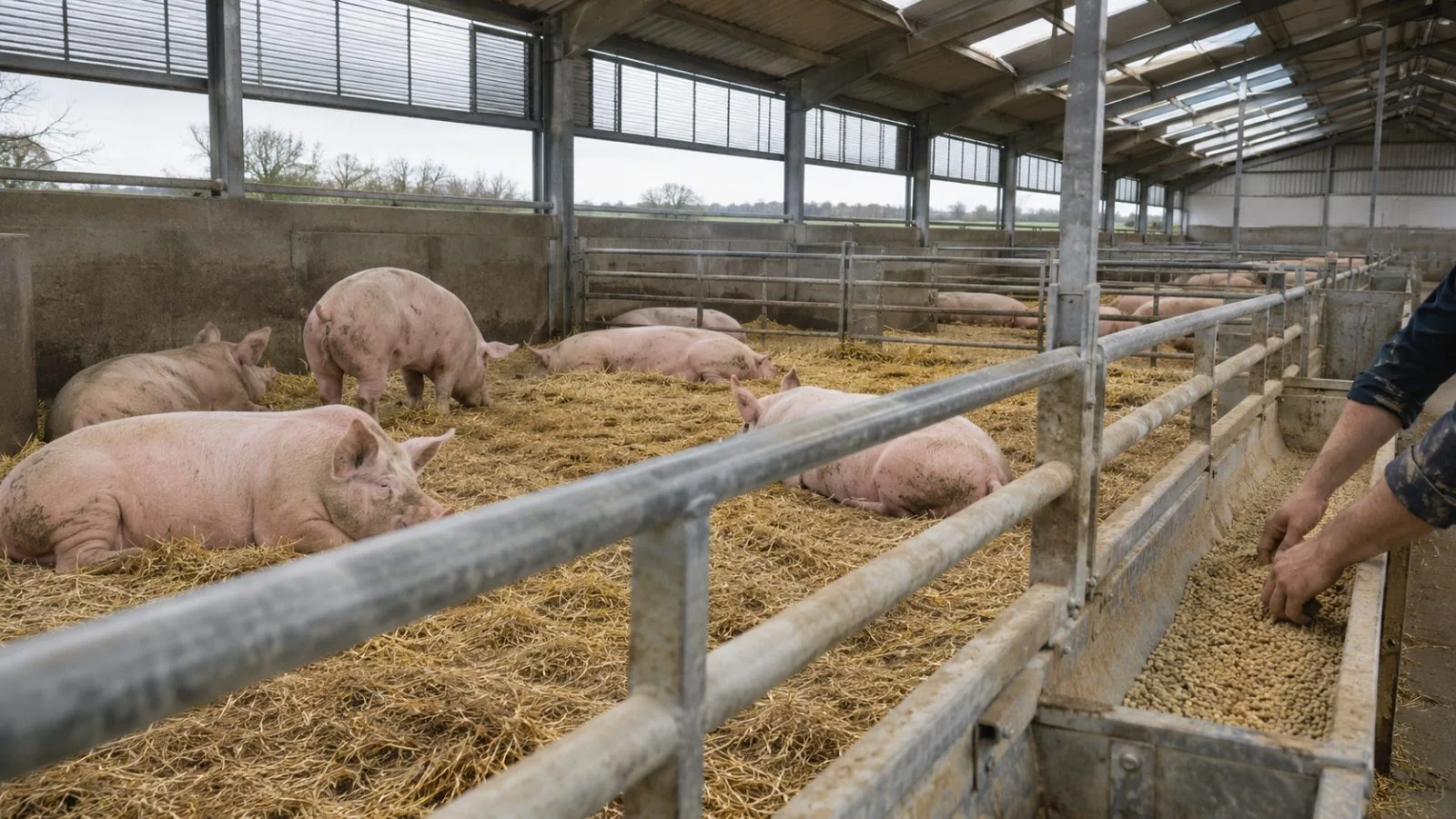
Pig-sector data covering 98% of UK production recorded 57.3 tonnes of antibiotics used in 2025, or 44.8 mg/kg. That was an 11% decline from 50.0 mg/kg in 2024 and the second-lowest level since reporting began in 2015; use was lower in 2022. Meat-poultry use fell 18% to 11.2 tonnes, the lowest level since data collection began in 2014. Those figures covered 83% of the sector.
Sales data show medicines sold, not doses given, so sales may not match treatments administered in the same year. Some products may be used later or not at all, and the records cannot always identify the species treated when a medicine is authorized for several species.
Resistance indicators moved in a different direction. Multidrug-resistant E. coli accounted for 29.0% of isolates from pigs, broilers and turkeys in 2024-2025, compared with 26.6% in 2023-2024 and 57.7% in 2014-2015. The VMD cautioned that the latest increase alone cannot establish whether resistance is following a new trajectory.
The European Commission’s One Health framework treats antimicrobial resistance as a concern spanning people, animals and the environment, a cross-sector issue also examined in EconoTimes’ earlier coverage of drug-resistant bloodstream infections in Europe. Antibiotics in the highest-priority critically important category for human medicine (HP-CIAs) made up 0.4% of food-animal sales, or 0.07 mg/kg, in 2025. Sales in that category were 82% below 2014, although they rose 0.008 mg/kg from 2024.
The surveillance comes during the second year of the UK’s 2024-2029 National Action Plan on antimicrobial resistance. The Responsible Use of Medicines in Agriculture Alliance has voluntary livestock-sector targets for 2025-2029. VMD Chief Executive Abi Seager said, “Antibiotics save lives, and using them responsibly helps preserve their effectiveness for when they are needed.”