SINGAPORE, Oct. 19 — Singapore’s National Wages Council has recommended recurring pay raises of 6% to 8% for employees with monthly gross earnings of S$2,800 or less, directing the biggest increases toward employers with stronger performance. The government accepted the voluntary guidance for a period running from Dec. 1, 2026, through Nov. 30, 2027.
The council’s recommendations distinguish between employers that are growing and those under financial strain. Successful firms with positive prospects should raise eligible workers’ pay at the upper end of the range, subject to a minimum increase of S$135 to S$170 a month. Firms that performed poorly but remain profitable should aim at the lower end, or at least S$120 a month. A new category asks poorly performing, unprofitable firms to provide at least S$120 a month.
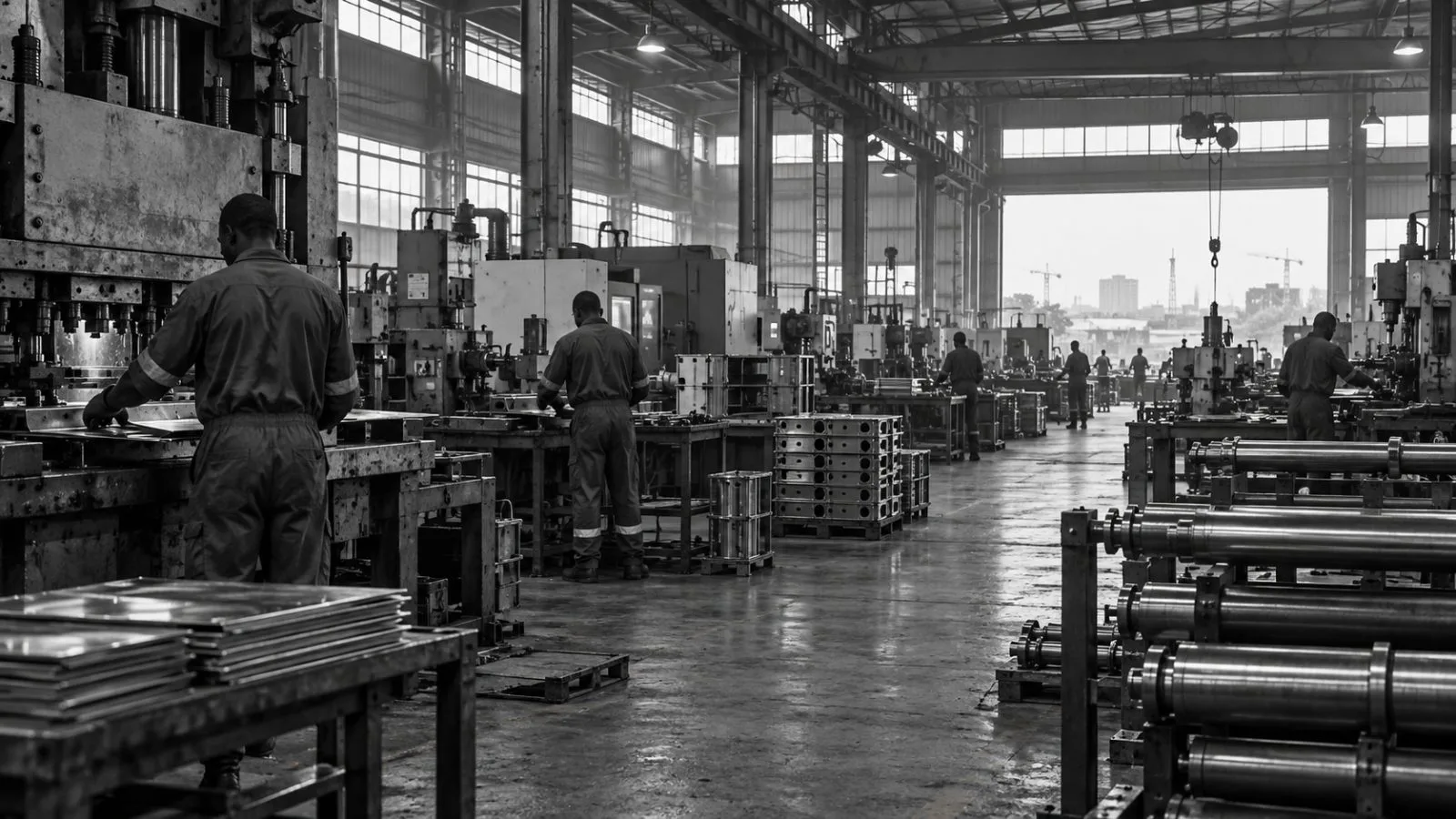
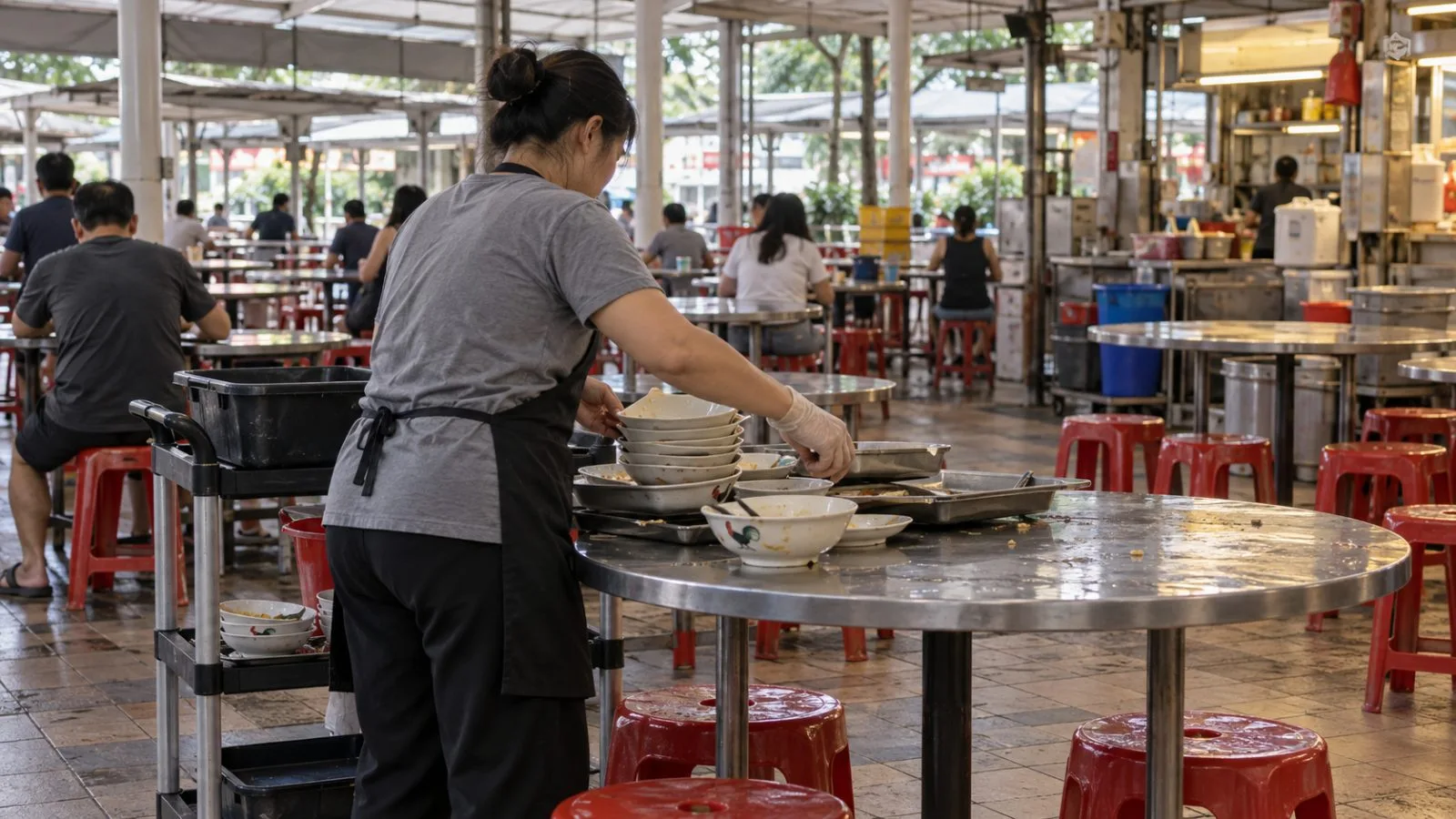
The call follows strong but uneven growth. The Ministry of Energy, Trade and Industry (METI) said in advance estimates that Singapore’s economy grew 5.4% from a year earlier in the third quarter of 2026. Manufacturing expanded 7.5%, while food and beverage services contracted.
The recommended range is higher than the 5.5% to 7.5% in the council’s previous guidelines, which covered workers earning up to S$2,700 a month. Whether the new guidance translates into pay rises will depend on employers: Ministry of Manpower data show that 26.2% met the council’s lower-wage guidelines in 2024, though 60.0% gave those employees some increase.
The National Trades Union Congress (NTUC) urged employers to share gains across their workforces and give employees time to train as artificial intelligence changes jobs. The government’s Progressive Wage Credit Scheme, extended through 2028, offers eligible employers support for lower-wage increases.