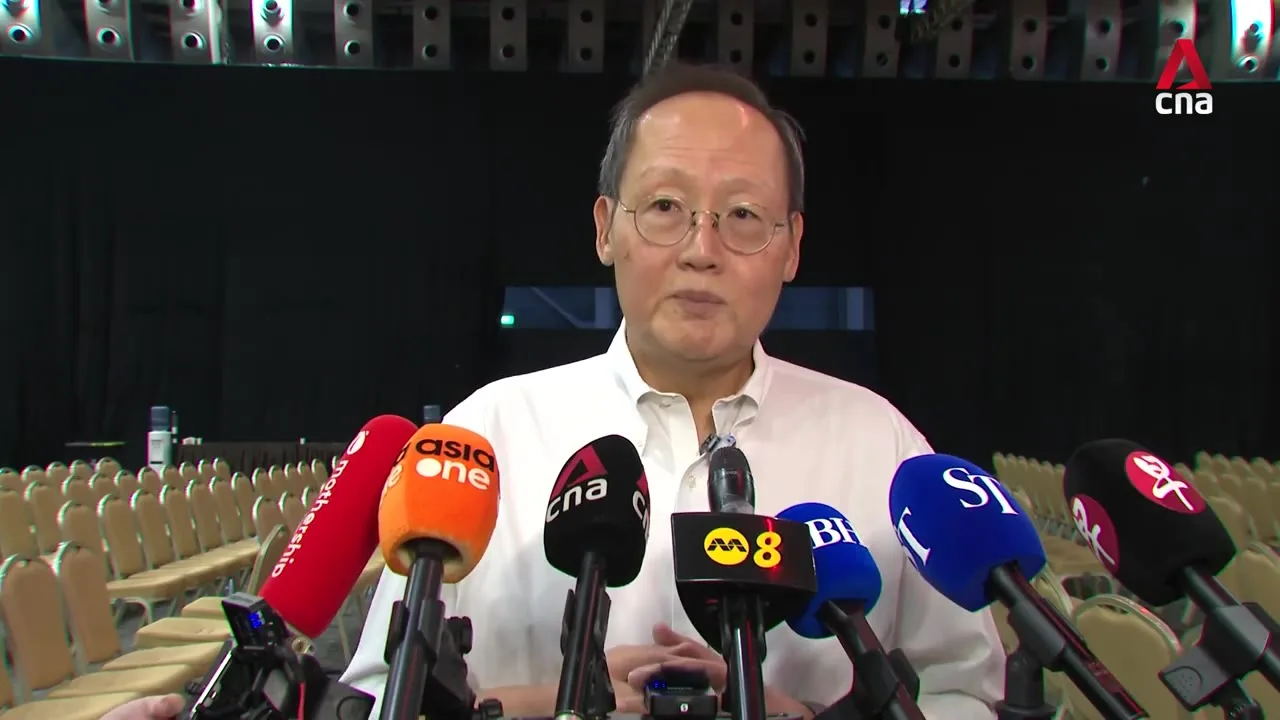
Singapore has enough replacement gas to meet demand after Indonesia cut supplies by less than 2% of daily power-sector needs, Tan See Leng, a minister in Singapore's government, said.
Replacement supplies include liquefied natural gas, which is cooled into liquid for transport. Tan expected little effect on electricity prices in the short term, while saying global prices influence the cost of Singapore's gas.
Tan outlined the government's response in remarks carried by CNA in a recording published on Oct. 25. Singapore's Energy Market Authority had confirmed the reduction in Indonesian natural gas supplies.
Commercial contracts cover the supplies between Singapore's importer, Gas Supply Private Limited, and its Indonesian suppliers. Tan said the importer would examine whether the cuts breached those agreements and pursue remedies available under the contracts if they did.
“We expect the contracts to be honored,” he said.
Tan put the reduction at 17 billion British thermal units a day over 18 days. He said Singapore had enough gas from other sources to cover the shortfall and meet demand.
Singapore's safeguards include buying natural gas from different countries, maintaining a standby liquefied natural gas facility and preparing Singapore GasCo to import more when required. Power generators must also hold enough diesel reserves to protect against a larger interruption.
The government is building a second liquefied natural gas terminal and working to broaden the country's energy sources. Tan said Singapore had handled previous supply reductions without incident.
Asked how long the contract review would take and whether Singapore would pursue legal action, Tan left the examination of contractual remedies to the importer. He gave no timetable or commitment to litigation.
Tan said Singapore and Indonesia had built close government relations over decades. He acknowledged that Indonesia could face domestic supply needs and bottlenecks, while saying details were still emerging and Singapore would monitor developments.
Singapore GasCo was looking at liquefied natural gas contracts beyond 2027 and 2028, Tan said. Renewals of pipeline gas contracts with neighbouring countries would depend on commercial terms, duration and suppliers' records of meeting their commitments.
Tan said Singapore was also considering energy sources beyond gas, including domestic solar power, biomethane and geothermal energy. It was studying small modular nuclear reactors but had made no decision on their use.
He planned to give more details on energy sources and plans for the next five years at the Singapore Energy Lecture the following day.
Asked why Indonesia had cut exports at that time, Tan said earlier reductions that year had involved pipeline repairs and maintenance. He declined to comment on Indonesia's reasons for the latest cut.