Indonesia restored its piped natural-gas deliveries to Singapore on Nov. 12 after an 18-day reduction, Singapore’s Ministry of Energy, Trade and Industry (METI) told The Straits Times, easing a disruption linked to Indonesia’s domestic power needs.
A ministry spokesperson said the pipeline flow had fully resumed and that Singapore had received no new notice of another reduction, The Straits Times reported.
Indonesia began cutting exports Oct. 24 as it redirected gas for electricity generation in Batam, Bintan and Sumatra, according to the country’s upstream oil and gas regulator, SKK Migas. The regulator said the diversion involved 31 million standard cubic feet per day from the Natuna and Sumatra fields.
Singapore’s Energy Market Authority said the reduction totaled 17 billion British thermal units per day over 18 days. That was less than 2% of Singapore’s daily gas demand, which exceeds 1,000 BBTUD.
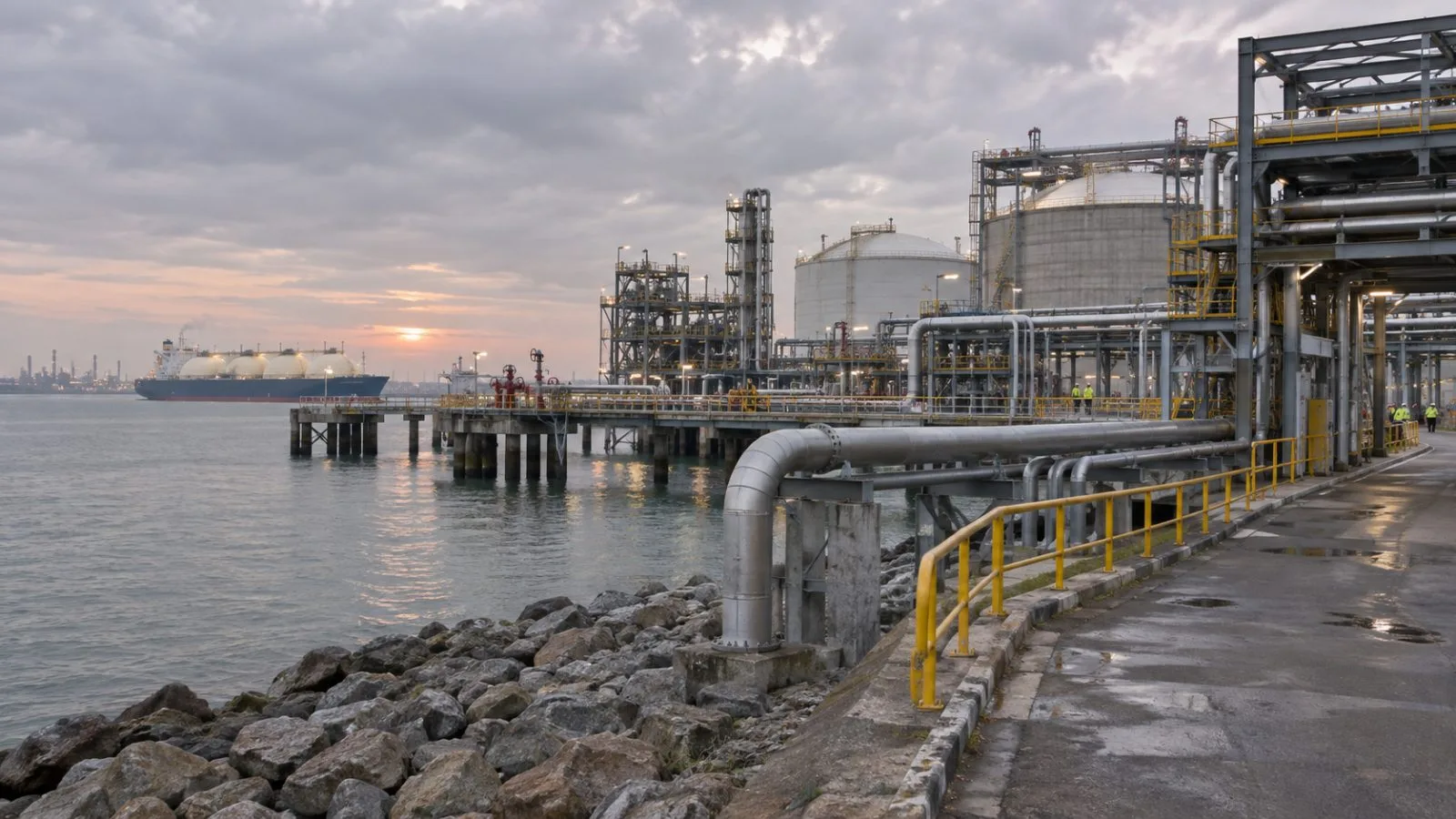
Singapore said it had sufficient replacement gas, including liquefied natural gas, during the disruption. The country imports gas through pipelines from Indonesia and Malaysia and by LNG tanker from international suppliers, while natural gas supplies about 95% of its electricity generation.
Indonesia’s Energy and Mineral Resources Minister Bahlil Lahadalia said the reduction stayed within contractual limits, while Singapore said its importer would assess whether any breach had occurred. Existing Indonesian gas-supply contracts with Singapore run through the end of 2028; the dispute was covered in an earlier EconoTimes report on the contracts and supply loss.