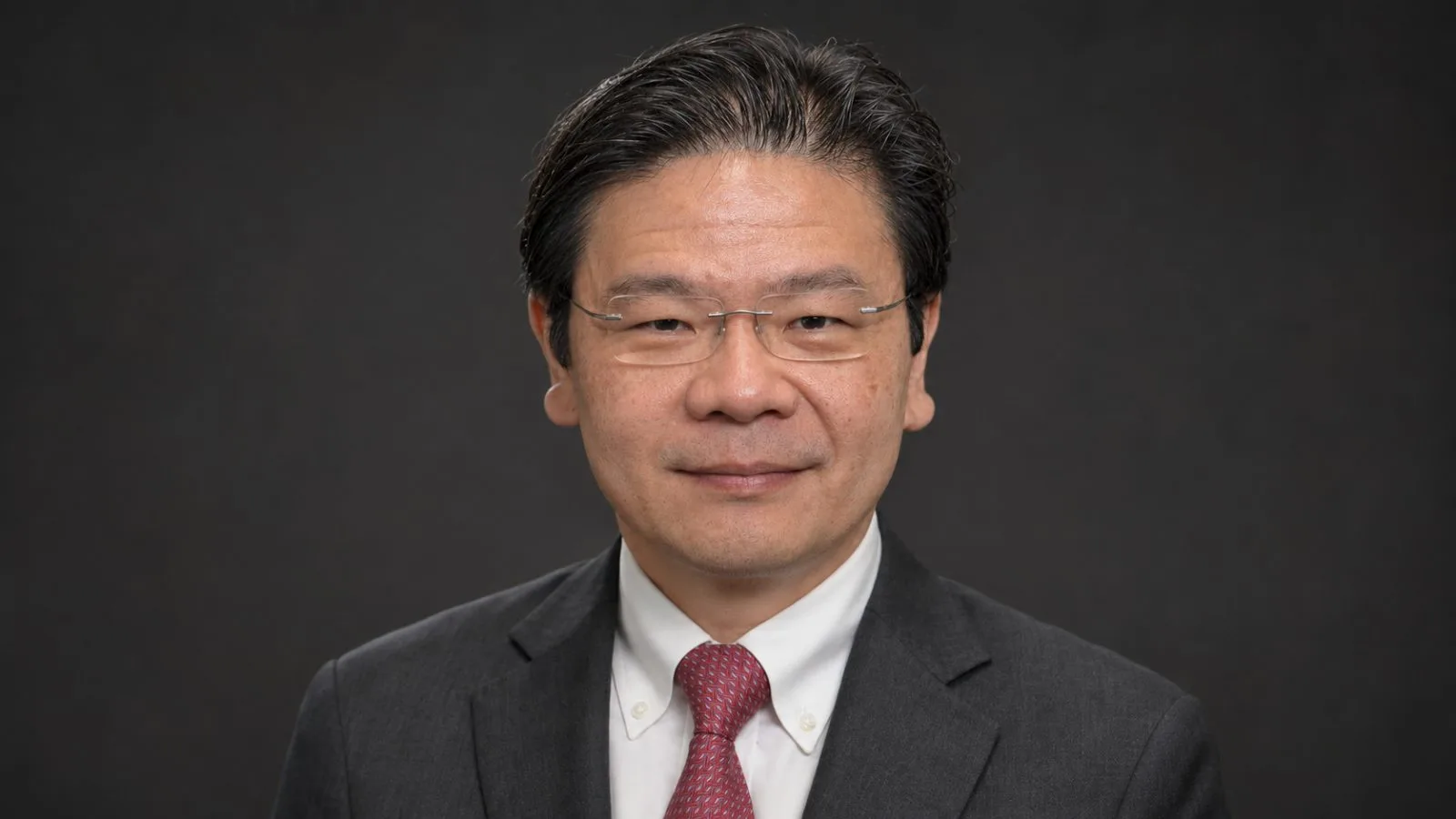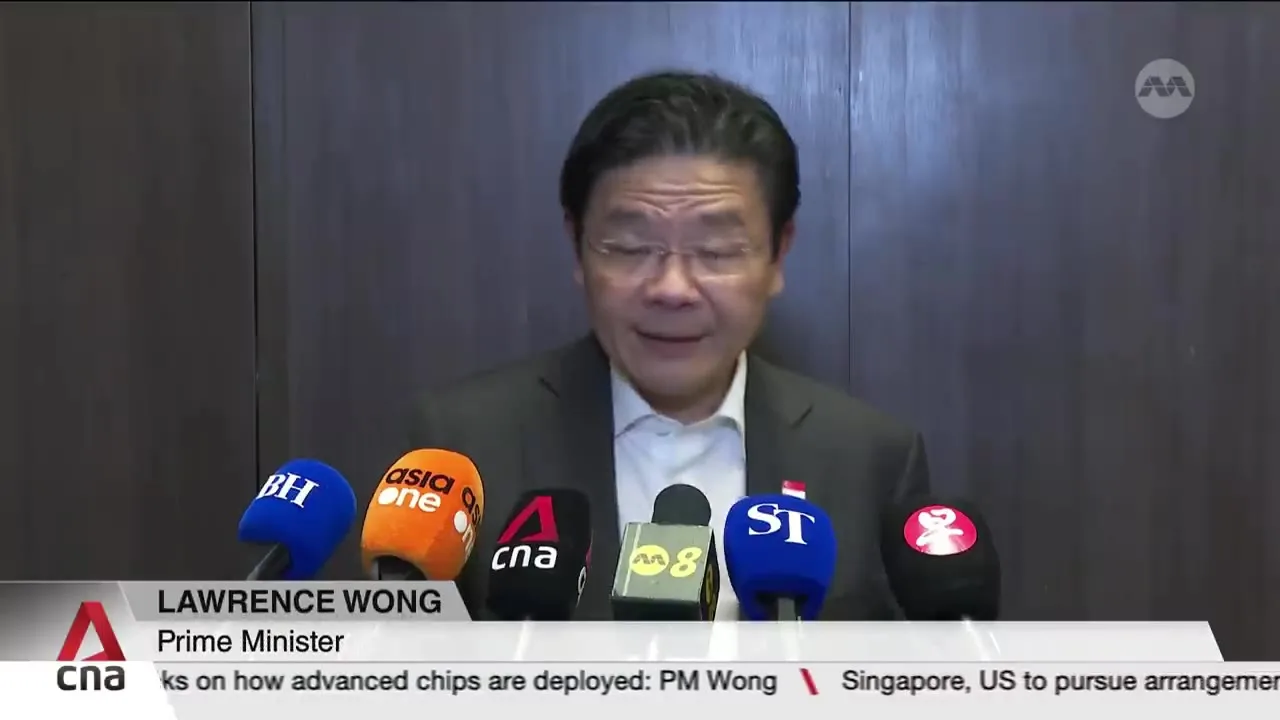
Singapore is prepared to facilitate US checks on the use of advanced chips in its data centres, Prime Minister Lawrence Wong said in remarks published by CNA on Nov. 18.
Wong said he was more concerned about the effect of tighter American export controls on chips used by Singapore companies and data centres than on chips passing through the country.
A large share of chips recorded as sales to Singapore are shipped elsewhere, while only a small volume enters the country, he said. Restrictions affecting those shipments would have some impact, but Singapore could manage it, he said.
Wong did not specify how the checks would work or which chips and companies would be covered.
He also said Singapore's relationship with Indonesia was continuing after a meeting with President Prabowo Subianto. The two leaders had stayed in touch since their previous meeting in Jakarta, he said.
“I want Indonesia to succeed because Indonesia is a close and important partner to Singapore,” Wong said. He said the countries worked together across a wide range of areas and that he would continue to engage with Prabowo.
Wong said the work of the Association of Southeast Asian Nations, or ASEAN, was not defined solely by rivalry between the United States and China. Both countries remain partners of the regional bloc.
Singapore, as incoming ASEAN chair, will mark 50 years of ties between the bloc and the United States and explore joint artificial intelligence projects with China. Wong also wants ASEAN to strengthen partnerships with Canada, the European Union and the Gulf Cooperation Council.
Those relationships would give ASEAN more room to act independently, he said. “We have the space to engage other powers and the space to shape our own destiny,” Wong said.
About 80% of negotiations on a South China Sea code of conduct are set to be completed, but the issues still to be settled are the most difficult, Wong said. Countries in the region have competing claims in the sea.
“There are differences of views of course, not just between China and ASEAN, but even within ASEAN countries,” Wong said. Not all ASEAN members claim territory in the sea, he said.
Singapore wants a code consistent with international law, particularly the United Nations Convention on the Law of the Sea. Wong did not say when the remaining issues might be resolved.
After speaking with US President Donald Trump at the summit, Wong welcomed Trump's commitment to attending ASEAN meetings. American interests in the region include security and the investments of US companies, he said.
Wong said businesses, educational institutions and young people in Singapore could build closer ties through exchanges and help more people understand why ASEAN matters. He said he hoped more Singaporeans would see the region as a place of opportunity.