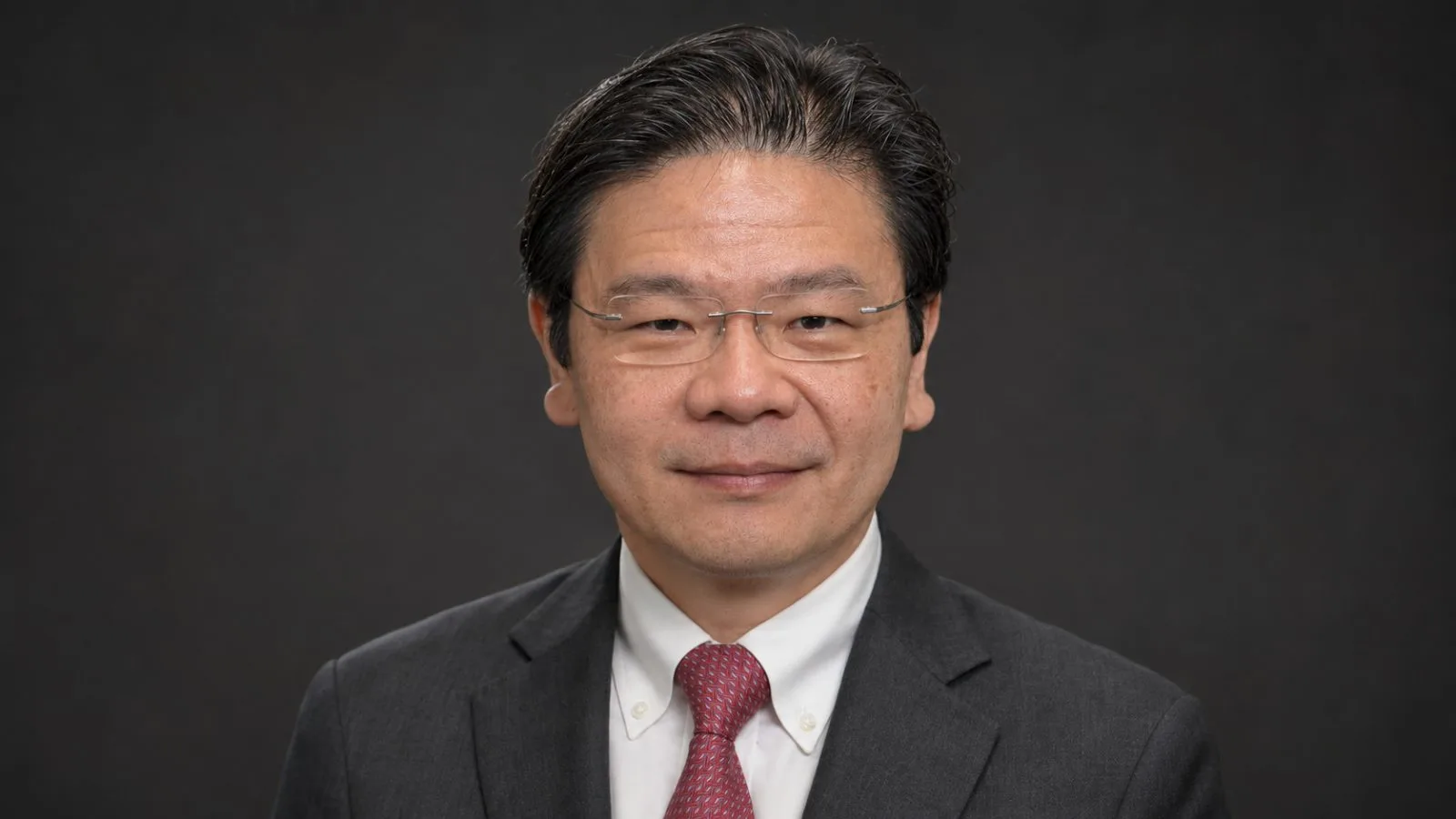
Singapore is exploring ways to reduce trade costs with other Commonwealth countries to help ease the cost of living, Gan, Singapore’s deputy prime minister, said after talks in Antigua and Barbuda.
The discussions linked household costs to obstacles in international trade, alongside external factors such as energy prices. Gan’s remarks appeared in a CNA news broadcast published Nov. 5.
Leaders discussed cooperation at the Commonwealth Heads of Government Meeting, which lasted four days and brought together leaders from its 56 member states, CNA reported. Their discussions covered shared challenges including climate change and economic growth.
“We also discussed how we can help one another to facilitate trade,” Gan said. Reducing the cost of trade could, he said, “help towards a lower cost of living for everyone.”
The remarks identified cooperation on trade as one way to address living costs. Gan did not specify measures to remove trade obstacles, give a timetable for action or put a figure on potential savings.
Commonwealth countries have different challenges and national interests, but Gan said they have opportunities to cooperate on climate change. Singapore is pursuing carbon credit projects with Kenya, Ghana and Sri Lanka.
Carbon credits allow countries to count emissions reductions achieved elsewhere toward their own climate efforts. Some of Singapore’s projects are moving into implementation, although Gan did not identify which projects had reached that stage.
“With these projects we are able to invest in these countries, generate carbon credits for our own benefit,” Gan said. Investment would also create jobs and opportunities in the countries hosting the projects and help their economies.
Gan identified digitalisation as another area for possible cooperation. Member countries could build skills and capabilities together and use artificial intelligence to help their people and businesses stay competitive.
Singapore has trained about 30,000 Commonwealth officials through its cooperation programme, Gan said. He said helping other Commonwealth countries progress would ultimately benefit all members, including Singapore.
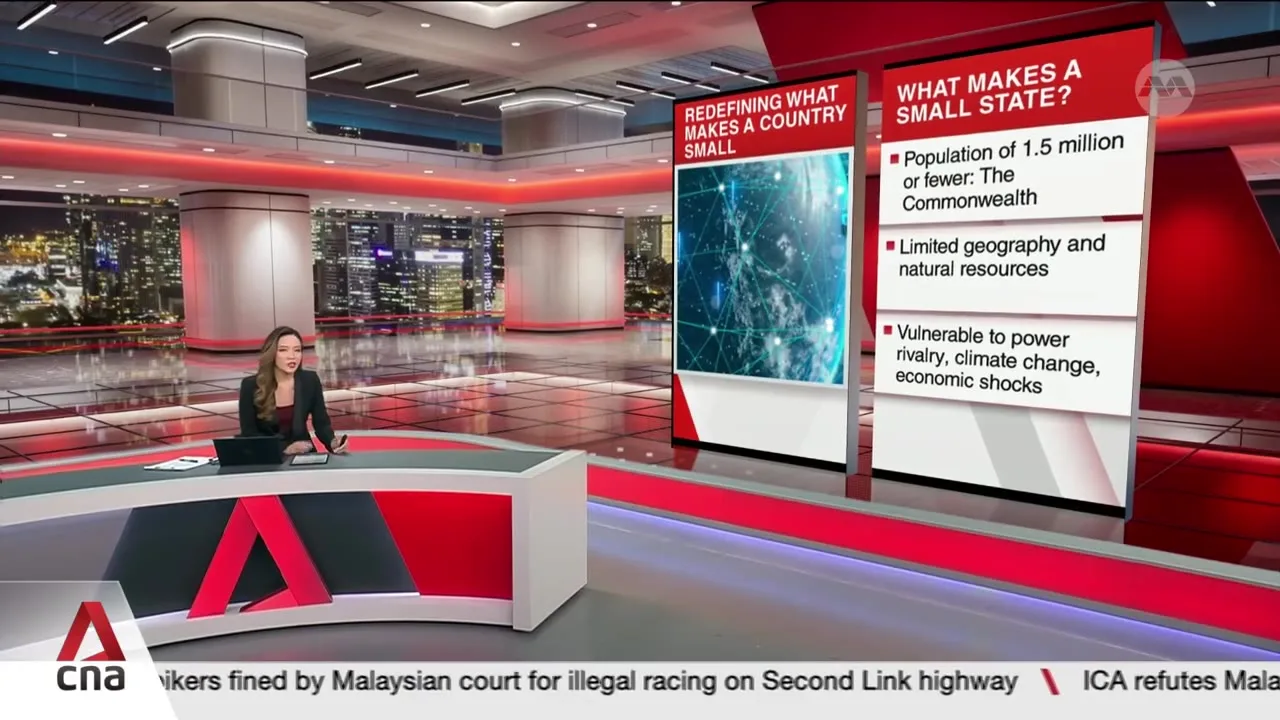
Small countries account for much of the Commonwealth’s membership. Thirty-three members are classified as small states, CNA reported, using a general Commonwealth definition of countries with populations of 1.5 million or fewer.
Singapore also considers itself a small state despite having a larger population. Such countries face vulnerabilities including rising seas, supply disruptions and pressure from major powers.
The cooperation Gan described spans trade, climate projects and digital capabilities. His remarks left open the specific trade arrangements countries might pursue, the scale of future carbon investments and how members would organise joint work on artificial intelligence.