Self-driving car engineers currently have a long list of issues to contend with if they want their vehicles to be as safe and functional as possible. One of the most essential issues to address are unpredictable weather patterns such as snow, hail, and storms. However, meteorologists also caution that solar storms could have a profound effect on driverless vehicles relying on GPS to move.
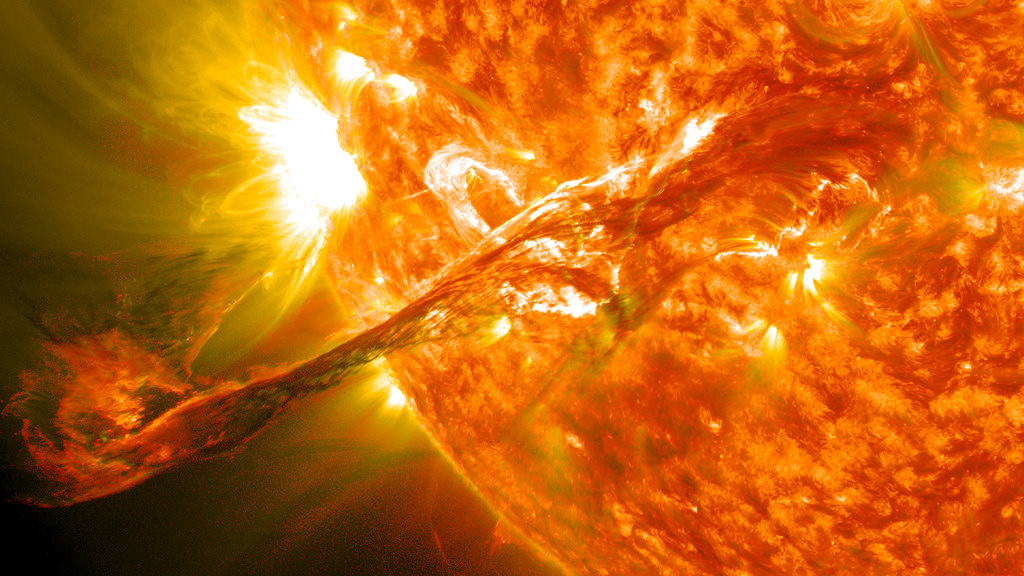
Solar storms are basically massive eruptions of solar energy on the surface of the sun, which occasionally send a wave of particles that can cause interruptions in satellite links. This is why cellular and internet connections can become a bit unreliable during such events. The same problems can be attributed to vehicles relying on such technology, Bloomberg reports.
Fortunately, there are a few ways around this particular problem, with existing solutions already on hand to circumvent any inconvenience that a GPS link interruption might cause. Among them is the prioritization of advancements in environmental sensors, which will allow driverless vehicles to keep moving by basically paying close attention to their surroundings while waiting for the connection to come back.
There’s also the matter of storing the navigation data in an offline map, which provides the vehicle with a rough idea of where it needs to go. When combined, these two solutions could offer temporary movement even without an active GPS, Digital Trends notes.
If there’s a need for it, the vehicle could simply slow down once the GPS link is severed so that it could go to the side of the road and then park until the connection is back. So if a self-driving car is well-made, there’s no need to worry about it stopping in its tracks, which would pose a major threat on the road. This is especially important for the driverless trucks that will inevitably dominate the highways of the future.