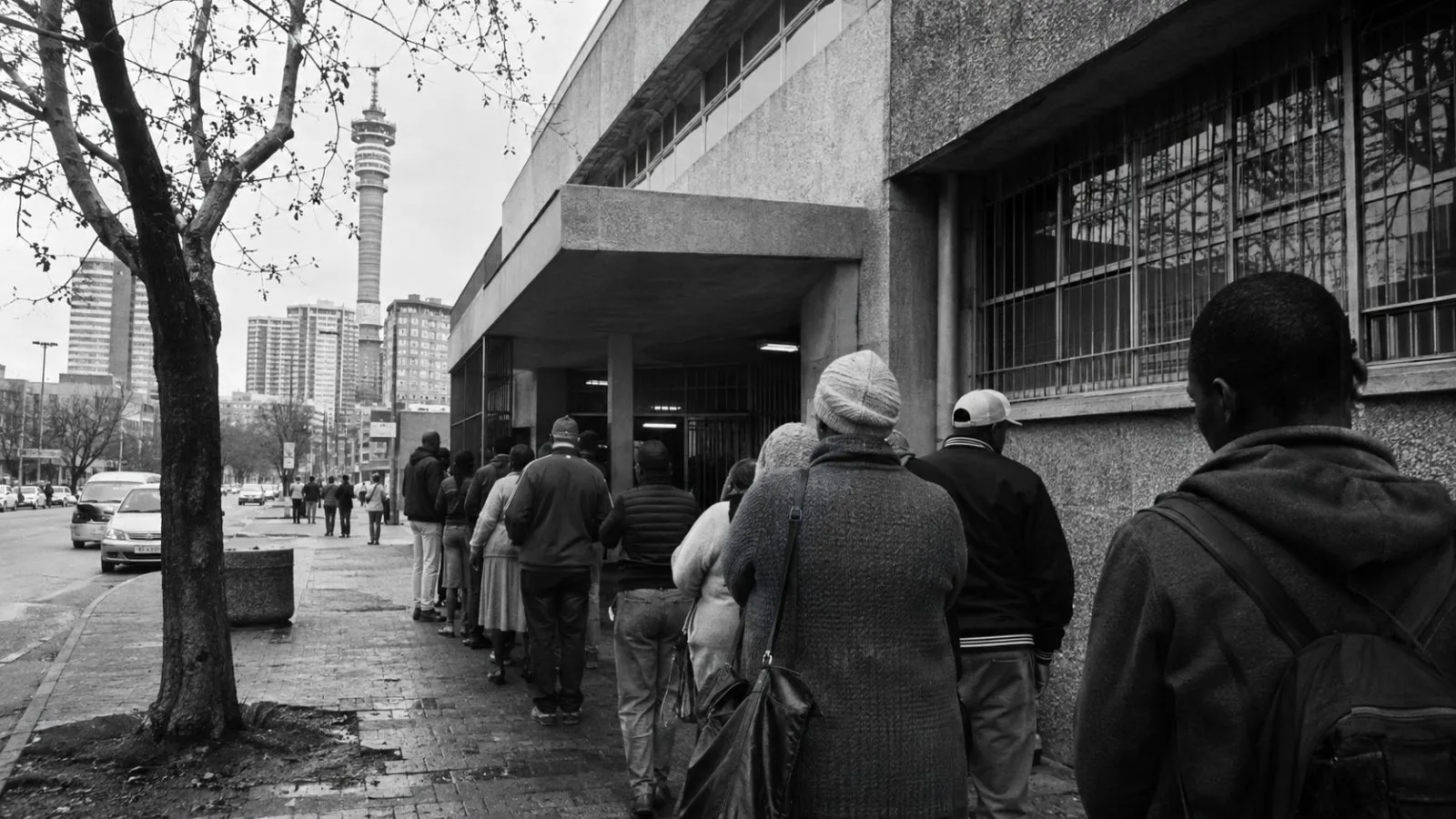
Political analyst Gabriel Crouse says weak public schooling and restrictive labor policies are constraining job creation in South Africa, where unemployment reached 33.7% in the third quarter.
Statistics South Africa’s third-quarter data put the number of unemployed people at roughly 8.6 million. The rate was 33.6% in the second quarter. An earlier EconoTimes report on labor force growth outpacing employment said employment increased by 101,000 while the labor force grew by 198,000, lifting unemployment by 97,000.
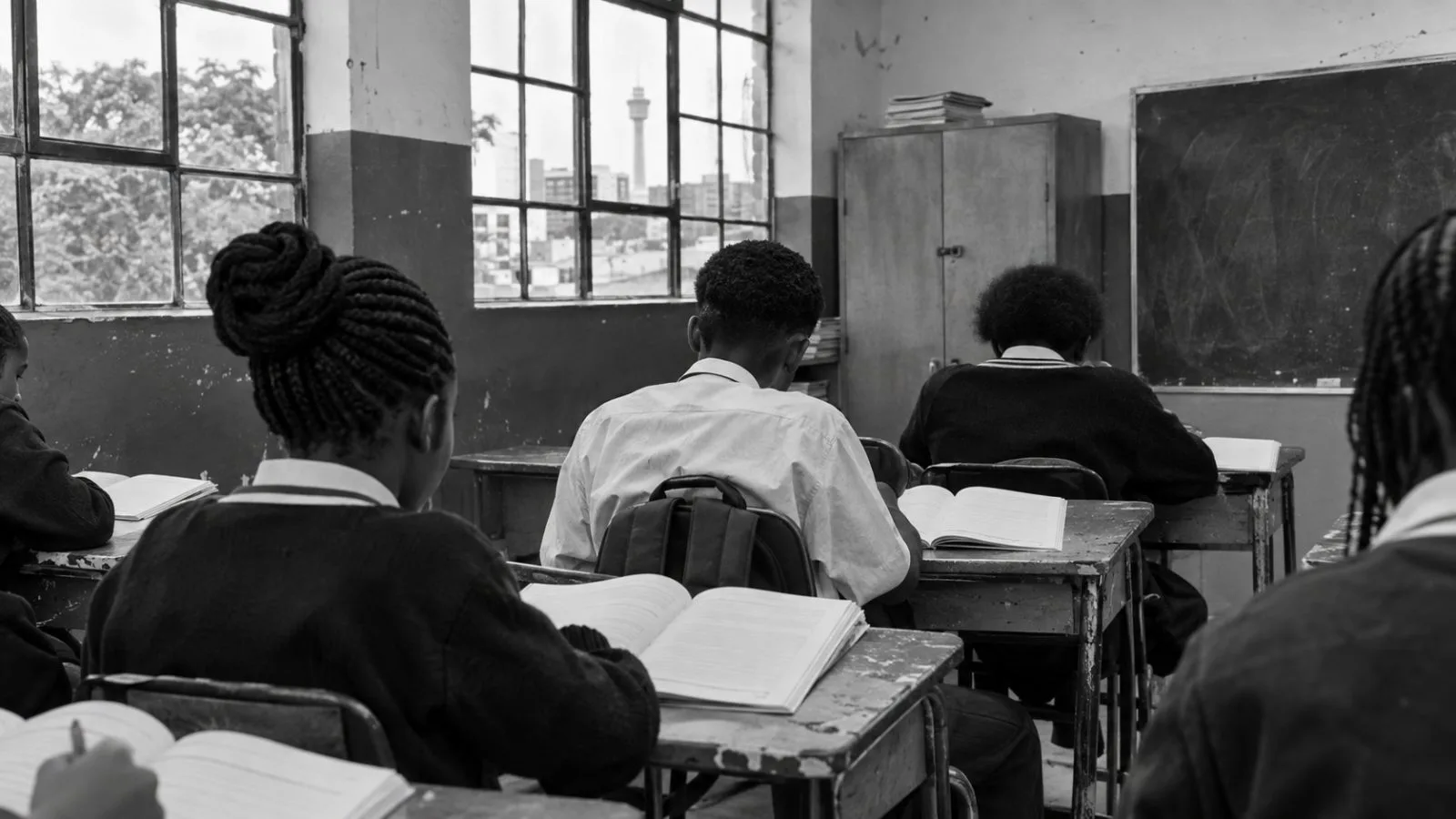
BusinessDay reported Nov. 16 that Crouse tied the jobs crisis to weaknesses in public education and policies he says deter investment. He cited teacher absenteeism and low literacy, arguing that many young people leave school without basic skills needed to adapt. Crouse said the education gap persists despite the high share of government revenue devoted to schooling.
Crouse also blamed strict labor laws, relatively high minimum wages and race-based compliance quotas for weighing on investment and narrowing entry-level options for semi-skilled workers.
He pointed to the costs for land recipients as another example. Crouse said nearly 2 million hectares had been granted to 400,000 Black South Africans, but restrictions prevent recipients from using the land to secure loans. He argued that the limits leave farms idle and communities in poverty.
For U.S. readers following African growth, Crouse’s comparison with Nigeria, Kenya and Botswana places South Africa’s jobs problem in a regional context. He said those economies recovered from pandemic-era disruptions, while South Africa continued to struggle to recover from earlier shocks.
Crouse urged the government to lower barriers for private businesses and curb public-sector corruption. He also proposed school vouchers as a way to restore accountability in education. He cited emerging municipal coalitions in Johannesburg, Pretoria and Durban as an opportunity to improve infrastructure and attract investment, with annual growth of 5% as a goal.