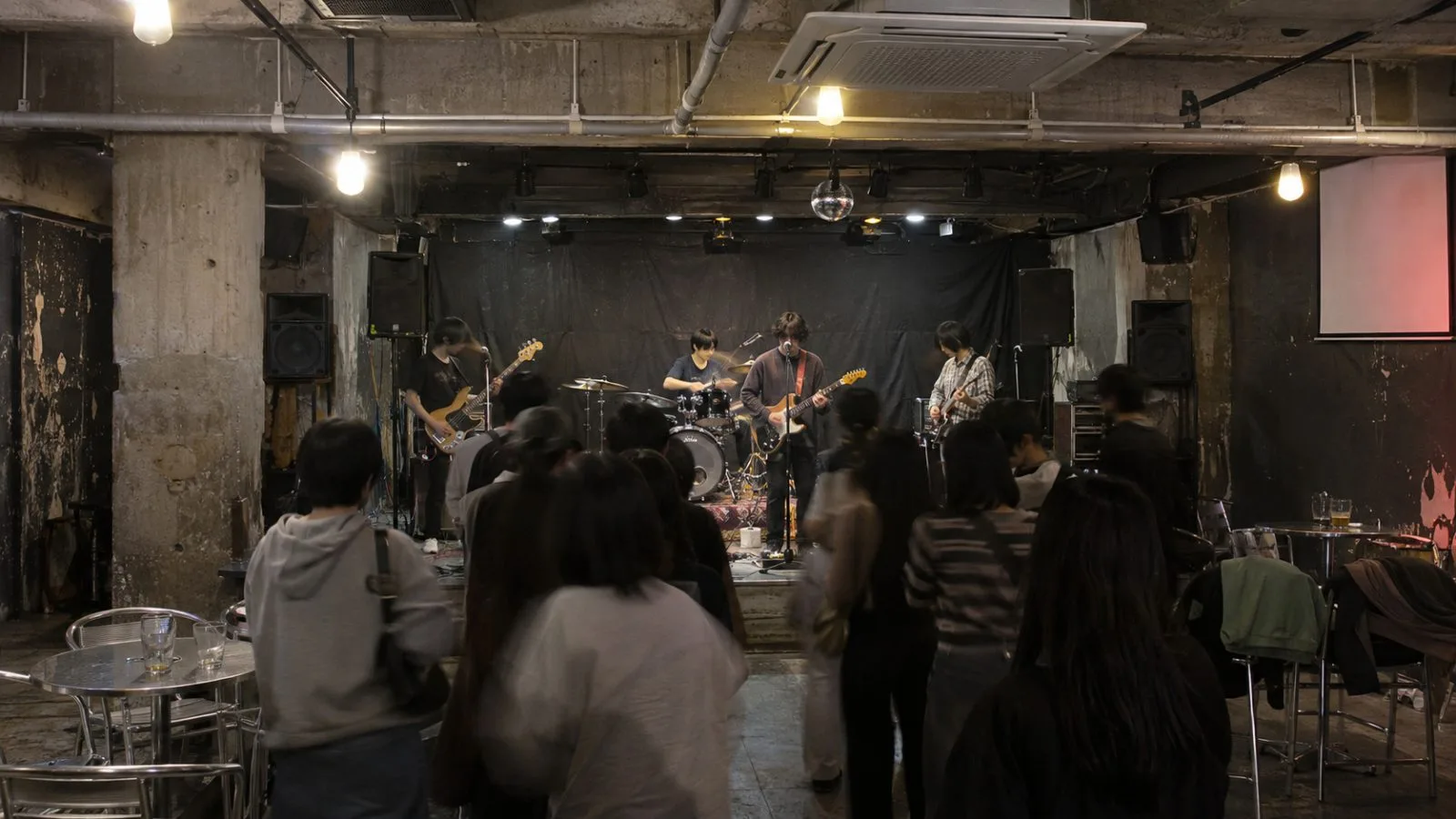
South Korea plans to establish a legal category for small live music clubs and permit dancing at shows, addressing licensing rules that have disrupted venues serving food and alcohol.
Culture Minister Chae Hwi-young said Friday that officials would amend the Music Industry Promotion Act and seek an exception under food-safety enforcement rules. The ministry will also work with local governments so clubs can keep operating while lawmakers consider the changes.
The proposal came after Busan’s Nam-gu district acted against Ovantgarde following a complaint. Officials found that people danced during an Aug. 7 performance and suspended the club from Aug. 26 to Oct. 24. A further violation would trigger a three-month suspension, while a third could lead to license revocation or closure.
Most small venues register as general restaurants because they sell meals and alcohol. That license prohibits dancing, even during concerts. Entertainment bars may allow it but pay about 13% of sales in extra tax, face tighter zoning rules and cannot admit minors.
Performance-hall registration creates another barrier: many basement clubs cannot satisfy the building and safety standards, and drinks cannot be served at seats.
Some local governments have created limited exceptions. Seoul’s Mapo-gu adopted an ordinance in 2015 allowing approved restaurants to permit dancing, while Yongsan-gu in Seoul and Busan’s Busanjin-gu have comparable rules. Those measures cover dancing around seating; Ovantgarde fell outside them after patrons cleared tables and chairs.
Ovantgarde opened near Kyungsung University in 2018 and became a venue for Busan bands including Say Sue Me and Hathaw9y. During a Thursday visit, Chae said live clubs are “where musicians first meet their audiences.”
The Culture Ministry plans a consultative group with independent-music participants, and its proposed 2027 budget contains support for the indie ecosystem. The legal revisions still require agreement among ministries and passage by the National Assembly.