South Sudan still depends heavily on externally funded services 15 years after independence, while conflict, a narrow oil-based economy and weak public finances leave the government reliant on outside support.
The United Nations projected in a Jan. 13 briefing that 10 million people, including more than 600,000 refugees, would need humanitarian assistance in 2026. Its response plan seeks $1.5 billion to assist 4.3 million people.
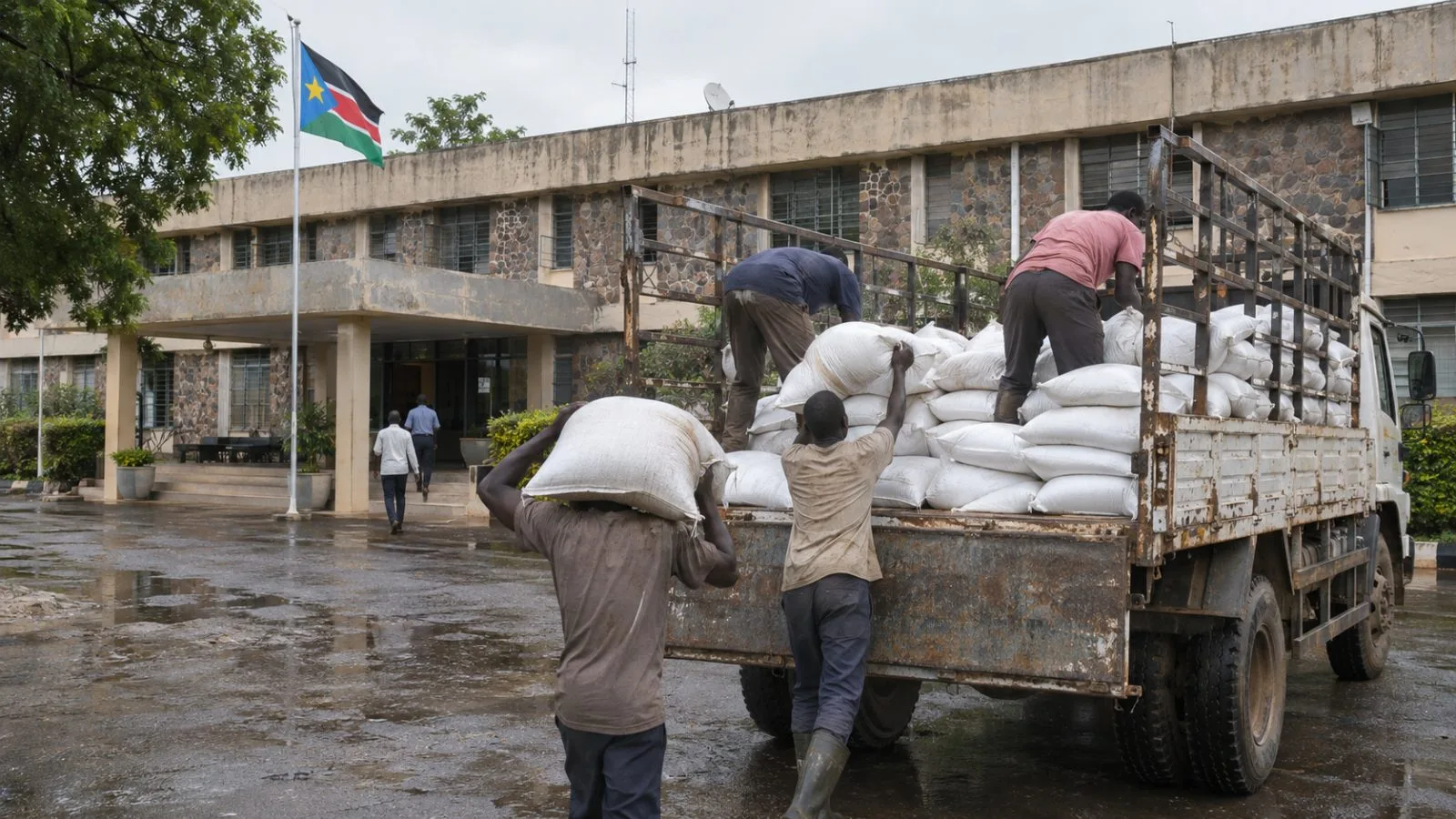
In a report covering July 16 to Oct. 15, 2026, the U.N. said only 38.1% of the plan had been funded. The shortfall was disrupting operations and humanitarian supply deliveries from October, while the report recorded 215 access incidents and nine deaths among humanitarian personnel and contractors during the period. At least 39 humanitarian workers and contractors had been killed since January.
A World Bank review said South Sudan received $1.4 billion in official development assistance in 2024, the highest aid share of gross domestic product among the countries compared. Most people still rely on aid-funded services, but donors administer much of that assistance outside government systems, limiting state ownership and oversight; 6% to 9% of aid allocations go to overhead, administration and logistics.
Oil accounted for 85% of total government revenue and nearly all export revenue between 2021 and 2024, the World Bank said. Production fell sharply after the DAR pipeline shutdown but later recovered to 157,000 barrels per day in early fiscal 2026.
The fiscal deficit reached 6.7% of GDP in fiscal 2025, civil servants had salary arrears of eight to 13 months by January 2026 and annual average food inflation reached 234%, according to the World Bank. Extreme poverty rose from 84% in 2024 to 87% in 2025 as reduced aid and unpaid wages weakened household finances.
South Sudan’s Ministry of Finance and Planning estimated that aid cuts of 70% in fiscal 2024/25 worsened the country’s fiscal position. A ministry document says damage to an oil pipeline caused an economic contraction of 8.8% of GDP.
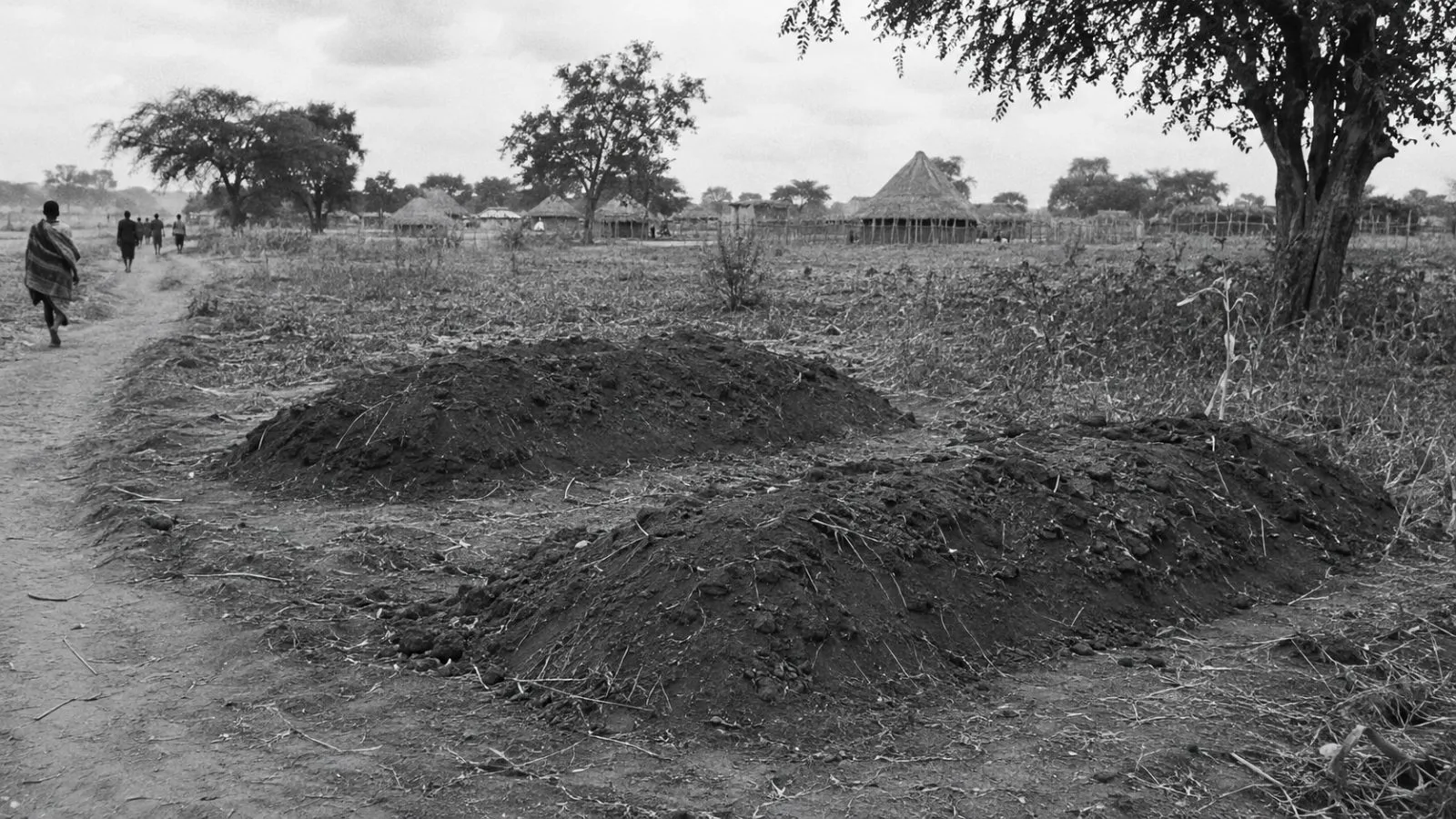
The immediate costs fall on food-insecure communities, refugees, returnees and displaced people. The U.N. said 2.5 million people were in Integrated Food Security Phase Classification (IPC) Phase 4, or emergency, and 73,300 were in Phase 5, or catastrophe, during the reporting period.
Security concerns and the lack of guaranteed safe passage prevented a World Food Programme delivery of 162.5 metric tons intended for 4,400 people in Jonglei State, the U.N. reported. The period also brought 39,498 arrivals from Sudan, including refugees and returnees, further stretching services.
The World Bank said public spending averages 35% of GDP and is weighted toward administration, security and rule of law, leaving health, education and social protection severely underfunded. Benjamin Ayali Koyongwa, Undersecretary of Planning in South Sudan’s Ministry of Finance, said reforms were essential to “rebuild trust, stabilize our economy, and deliver basic services to our people.”
According to the U.N., President Salva Kiir Mayardit replaced the transitional government with a caretaker administration on Sept. 22, 2026. The government has said it intends to hold elections on Dec. 22, 2026, while the U.N. has cited concerns about institutional readiness, financing, security and political consensus. The next indicators identified in the sources are humanitarian funding, oil production and progress toward the planned election.