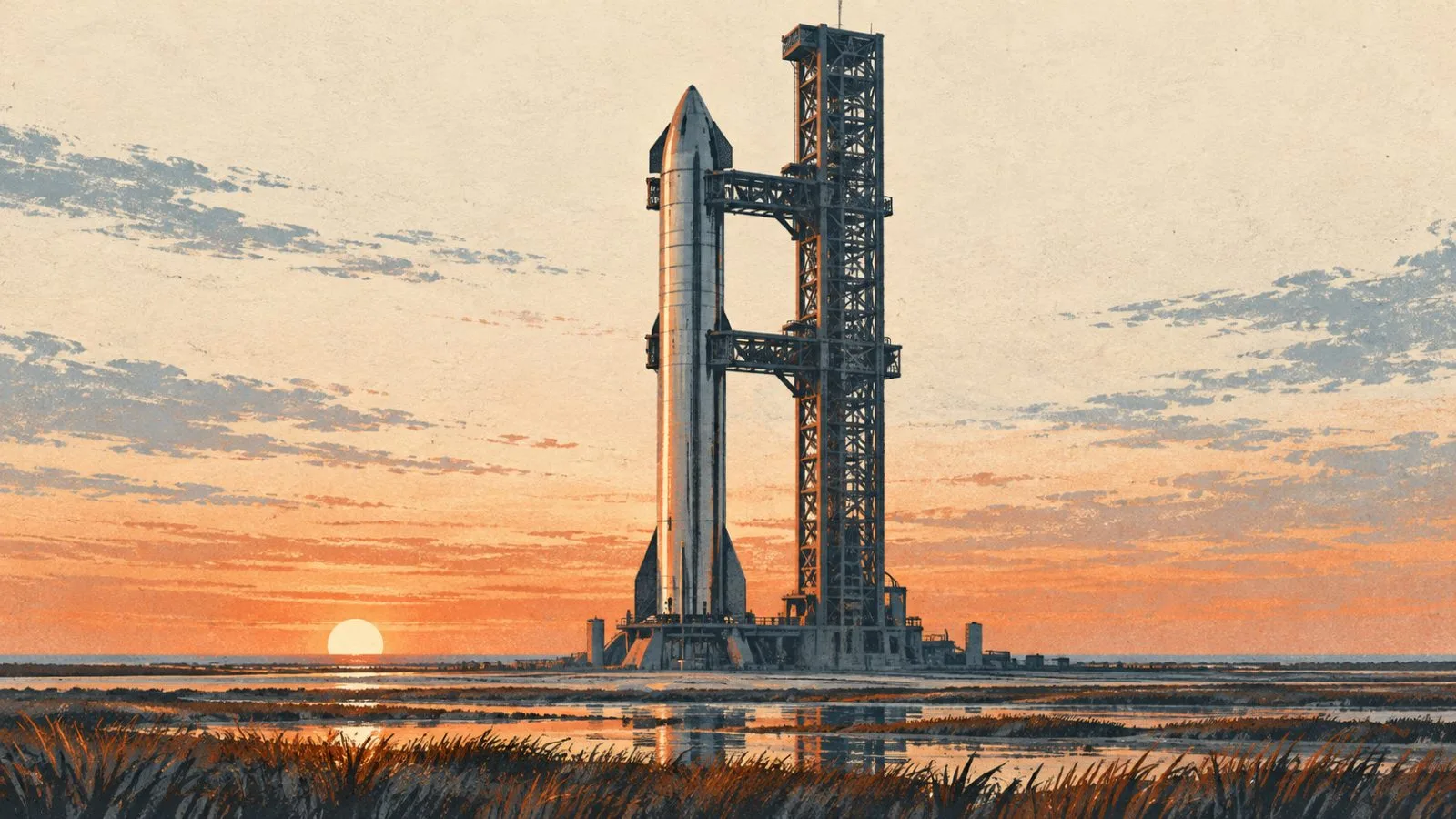
SpaceX caught Starship’s upper stage with its Texas launch tower after a roughly 22.5-hour flight, marking a milestone in reusability despite a failed booster return on the same mission.
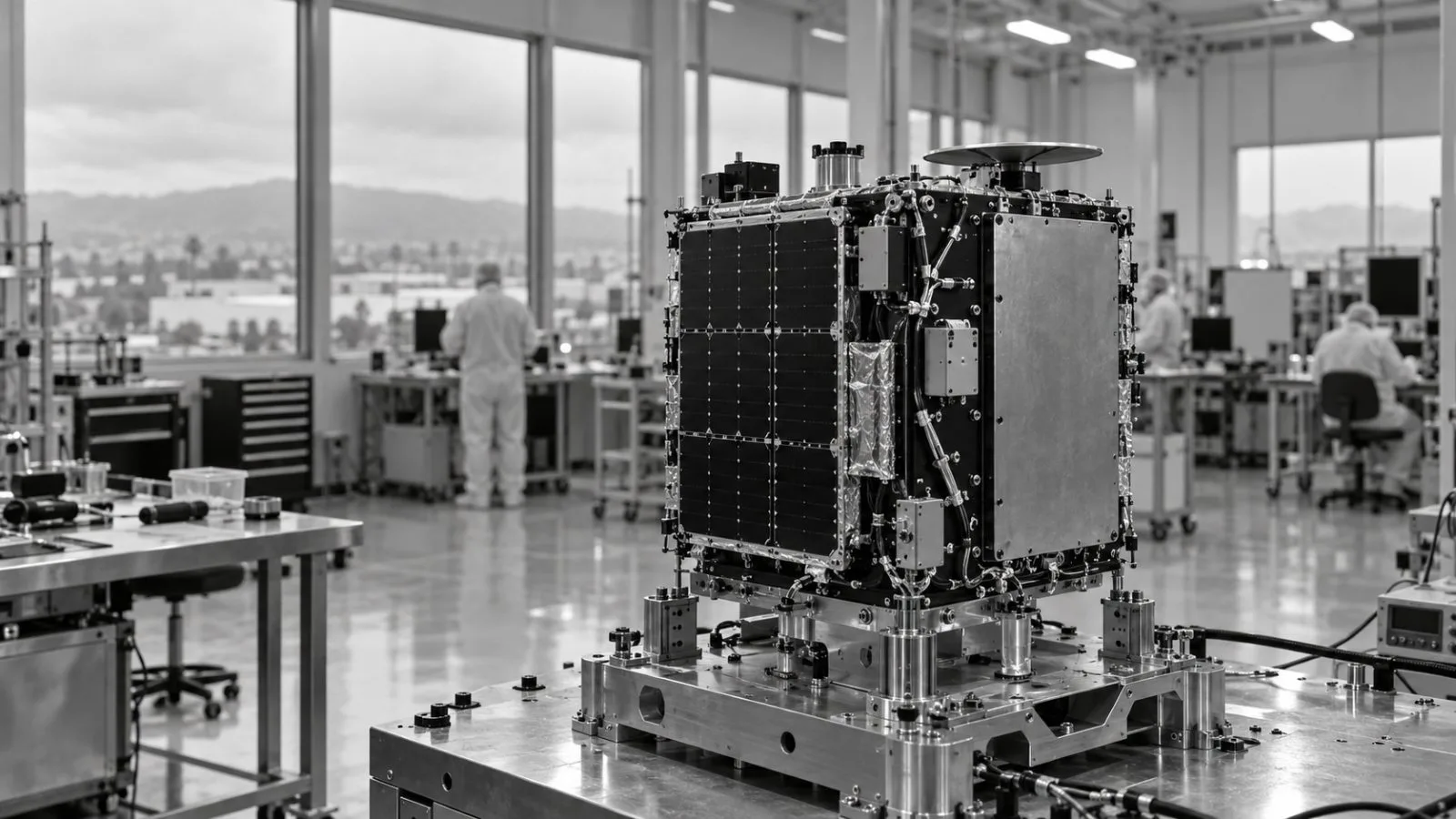
Flight 15 lifted off Friday, Nov. 13. SpaceX said the mission placed all 26 Starlink V3 satellites in orbit; the company says the satellites are intended to increase network capacity and user speeds.
The two stages had different outcomes. Super Heavy abandoned its planned return to the launch tower and was diverted offshore into the Gulf of Mexico, where it exploded, SpaceX said. Ship continued in orbit and was caught at Starbase on Saturday, Nov. 14.
The flight tested SpaceX’s dual-stage recovery plan. The company said it had previously caught three Super Heavy V1 boosters, two of which later flew again.
Space.com reported that Kate Tice, speaking during SpaceX’s webcast, cited a low-fuel-mass alarm as an early indication related to the booster’s shortened boostback burn. The outlet said the root cause remained under investigation.