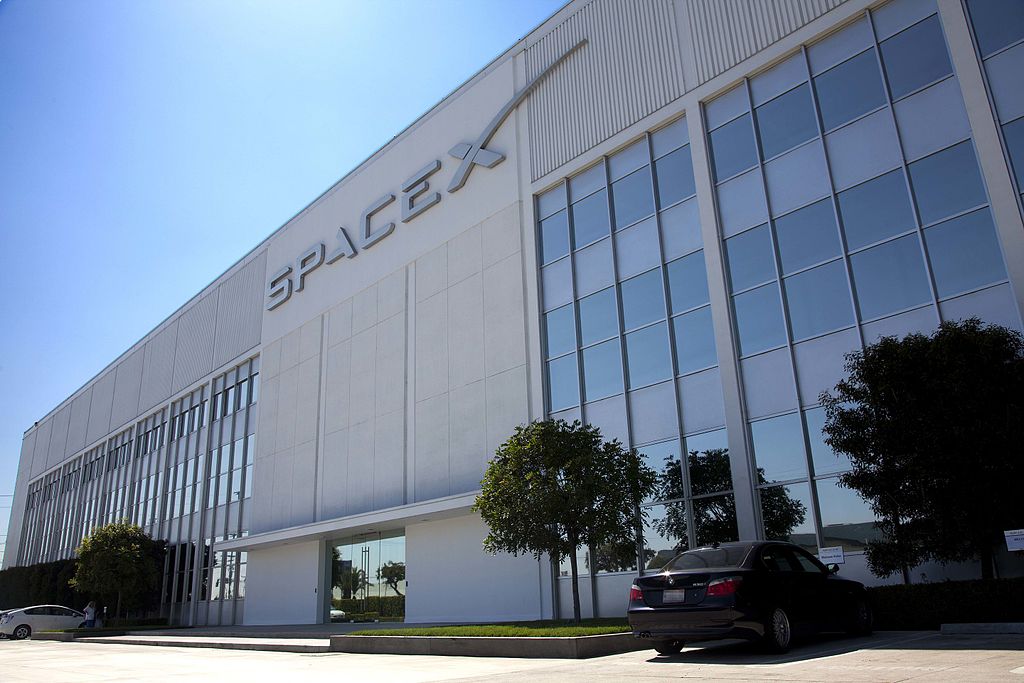
SpaceX delivered a strong financial performance last year, generating an estimated $8 billion in profit on revenues between $15 billion and $16 billion, according to people familiar with the company’s results. The figures, which have not been previously disclosed, offer rare insight into the financial health of Elon Musk’s space company as it prepares for what could become the largest initial public offering in history.
The profit figure refers to earnings before interest, taxes, depreciation, and amortization (EBITDA), a widely used measure of operating performance. These results have prompted some investment banks to estimate that SpaceX could raise more than $50 billion in an IPO, potentially valuing the company at over $1.5 trillion. The company is widely expected to go public later this year, around Musk’s 55th birthday on June 28.
A major driver of SpaceX revenue is Starlink, the company’s satellite-based broadband internet service. Sources say Starlink accounts for roughly 50% to 80% of total revenue. Since 2019, SpaceX has launched about 9,500 Starlink satellites, making it the world’s largest satellite operator. The service now has more than 9 million users globally and continues to expand rapidly.
In addition to consumer internet services, SpaceX generates revenue from government contracts linked to Starlink and its military-focused satellite network, Starshield. These income streams have played a critical role in funding the development of Starship, SpaceX’s next-generation rocket designed to carry heavier payloads and support future Starlink deployments.
Last year, SpaceX also spent $19 billion acquiring wireless spectrum rights from EchoStar as it moves deeper into the direct-to-device market. This initiative aims to allow mobile phones to connect directly to Starlink satellites without specialized terminals. Meanwhile, Reuters reported that SpaceX is in discussions with Musk’s artificial intelligence company, xAI, about a potential merger ahead of the IPO. Musk has also hinted at using Starship to deploy space-based AI data centers, signaling ambitious plans that blend space technology, connectivity, and artificial intelligence.