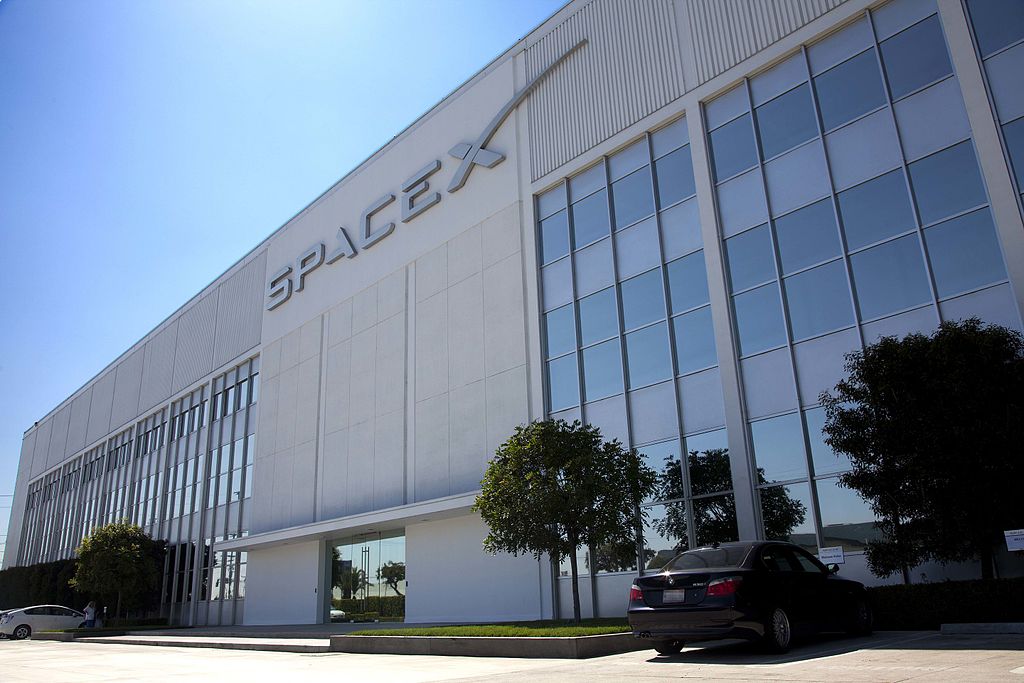
Elon Musk’s SpaceX is seeking approval from the U.S. Federal Communications Commission (FCC) for an ambitious plan to launch up to 1 million satellites into Earth’s orbit, aiming to harness solar energy in space to power AI data centers. According to an FCC filing submitted on Friday, the proposal could dramatically reshape how artificial intelligence infrastructure is powered and scaled in the future.
The filing emerged just one day after Reuters reported that SpaceX and Musk’s artificial intelligence company, xAI, are in discussions about a potential merger ahead of a major public offering expected this year. If finalized, such a merger could accelerate SpaceX’s vision of deploying orbital data centers, strengthening Musk’s position in the intensifying AI race against major players like Google, Meta, and OpenAI.
AI data centers are essential to modern artificial intelligence, but they consume vast amounts of electricity and place heavy strain on terrestrial power grids. SpaceX argues that space-based data centers could address this challenge by using near-constant solar energy, significantly lowering operational and maintenance costs while reducing environmental impact. In its filing, SpaceX stated that satellites equipped to process data in orbit would achieve transformative energy efficiency compared to traditional, Earth-based facilities.
While the proposal mentions up to 1 million satellites, industry experts note that companies often request approval for more satellites than they ultimately deploy. SpaceX previously received authorization for 42,000 Starlink satellites, though far fewer are currently in operation. At present, roughly 15,000 satellites orbit Earth, with SpaceX accounting for about 9,500 through its expanding Starlink network.
The plan relies heavily on Starship, SpaceX’s next-generation fully reusable rocket. Starship has completed 11 test launches since 2023, and Musk expects it to carry its first operational payloads into orbit this year. SpaceX believes that reduced launch costs and high launch frequency will make large-scale orbital infrastructure economically viable.
If approved, the project could redefine satellite technology, renewable energy use, and AI computing, marking a bold step toward space-based data centers powered directly by the sun.