


 OpenAI Agents Access U.S. Government Websites During Testing
  BlackRock’s Rick Rieder Favors Bonds Over Stocks as Treasury Yields Surge
  Pi Network Price Holds $0.087 as Protocol 28 Mainnet Upgrade Nears
  Cboe Extends SPX Options Deal, Eyes Tokenized Contracts
  Pepco Raises FY26 Earnings Outlook, Unveils €400 Million Buyback
  BitMine Ethereum Holdings Top 6 Million ETH After $46 Million Purchase
  SoftBank Shares Fall as Oracle Flags Stargate Data Center Delay Risk
  TSMC Accelerates 2nm Expansion as AI Chip Demand Surges
  Robinhood Chain Token Ring Allegedly Extracts $18.4 Million Across 53 Launches
  Bitwise Launches NEAR ETF as $562 Bull Case Fuels AI Crypto Buzz
  Solidigm Eyes $150 Billion IPO as SK Hynix Expands AI Storage Push
  QNT Whales Move $10M to Exchanges After 400% Rally
  Stellar Hits Record 217 TPS as Institutional RWA Activity Surges
  Akamai Shares Surge on $11.6B Anthropic AI Cloud Deal
  Xi Calls for Deeper U.S.-China AI Cooperation in Trump Talks
  Chainlink Launches CCIP 2.0 With Enhanced Cross-Chain Security
  Vitalik Buterin Says Hegota Could Be Ethereum’s Last Conventional Fork


 Add as a preferred source on Google
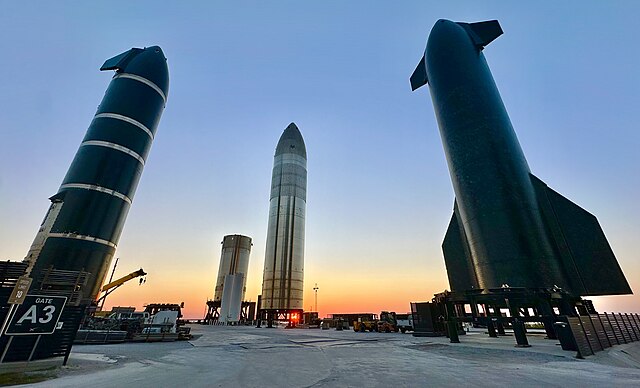
Elon Musk has seen one of the steepest declines in paper wealth ever recorded as shares of SpaceX (NASDAQ: SPCX) continue to slide following the company's blockbuster public debut.
After raising $75 billion in its June 12, 2026 IPO, SpaceX stock jumped from its $135 offering price to a record $225.64 just four days later. However, the rally quickly reversed. By Friday, SPCX had fallen to $112.96, down 4.47% on the day, 16% below its IPO price, and nearly 50% off its all-time high.
The decline has dramatically reduced Musk's estimated net worth. Bloomberg Billionaires Index data shows his fortune shrinking from roughly $1.45 trillion on June 16 to about $738 billion by July 23, representing a paper loss of approximately $650 billion to $700 billion in just five weeks.
Despite the market selloff, Musk maintains firm control over SpaceX. SEC filings show his trusts own a 42% economic stake, while the company's dual-class share structure gives him roughly 82% of the voting power, allowing him to retain operational control even as public investors absorb the stock's volatility.
Bearish investors have benefited from the decline. Short sellers have reportedly accumulated around $15.5 billion in paper profits, with short interest climbing to nearly one-third of the public float despite Musk's previous warnings against betting against the company.
The selloff accelerated after two major setbacks. On July 16, a Starship launch was scrubbed because of an engine issue, pushing SpaceX shares lower. Days later, Tesla (NASDAQ: TSLA) reported disappointing second-quarter earnings, missing profit expectations as operating income plunged nearly 57% year over year and free cash flow turned negative. Tesla shares tumbled 14.52%, further reducing Musk's wealth.
Musk has also fueled speculation about a possible Tesla-SpaceX merger, citing growing collaboration between the companies, including Starlink integration and shared AI chip development. He suggested the probability of such a deal is around 80%, while noting any transaction would require proper corporate approvals.
Investors are now focused on several key catalysts, including SpaceX's first quarterly earnings report on August 4, the August 6 lockup expiration that could release up to 911.5 million insider shares for sale, and the next Starship test flight, all of which could significantly influence the stock's direction.







