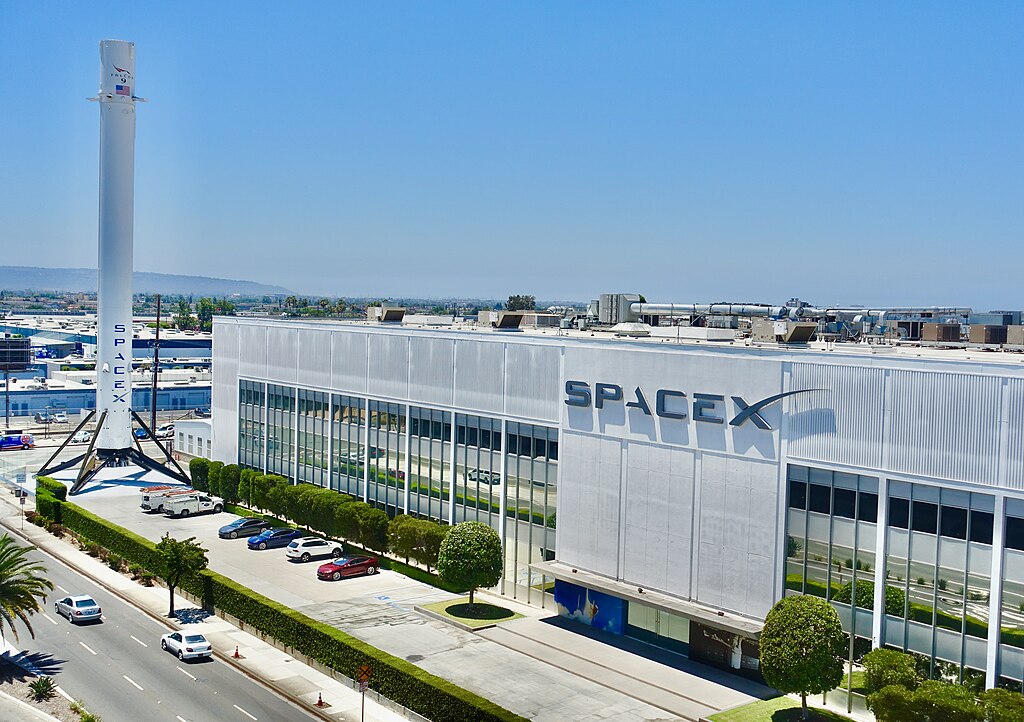
SpaceX is preparing for what could become the largest initial public offering (IPO) in history, with plans to price its shares at $135 each and raise approximately $75 billion, according to a source familiar with the matter. The offering would involve the sale of roughly 555.6 million shares, giving Elon Musk’s aerospace and satellite communications company a valuation of about $1.75 trillion.
The highly anticipated SpaceX IPO comes as several major private technology firms consider entering public markets following years of subdued large-cap IPO activity. Alongside artificial intelligence leaders such as OpenAI and Anthropic, SpaceX is viewed as one of the most significant public offerings of the decade.
Unlike traditional IPOs, where companies typically announce a pricing range before meeting investors, SpaceX has reportedly established a target share price ahead of its roadshow. The company’s investor presentations are scheduled to begin Thursday and are expected to attract substantial attention from institutional and retail investors alike.
Reports indicate that SpaceX may reserve up to 30% of the offering for individual investors, an unusually large retail allocation designed to capitalize on Musk’s strong public following. Additionally, Musk will reportedly be prohibited from selling his SpaceX shares for 366 days after the IPO, signaling a long-term commitment to the company.
Funds raised through the offering are expected to support the expansion of SpaceX’s satellite internet network, Starlink, as well as investments in artificial intelligence infrastructure and computing resources. Earlier this year, SpaceX merged with Musk’s AI startup xAI in a transaction that valued the rocket company at $1 trillion and xAI at $250 billion.
Valuing SpaceX remains challenging because the company has few direct competitors. While Starlink currently generates most of its revenue and profits, much of SpaceX’s future growth story is tied to ambitious projects that are still under development, including Mars exploration initiatives and space-based AI data centers. These emerging technologies are central to the company’s long-term vision and play a significant role in its multitrillion-dollar valuation expectations.