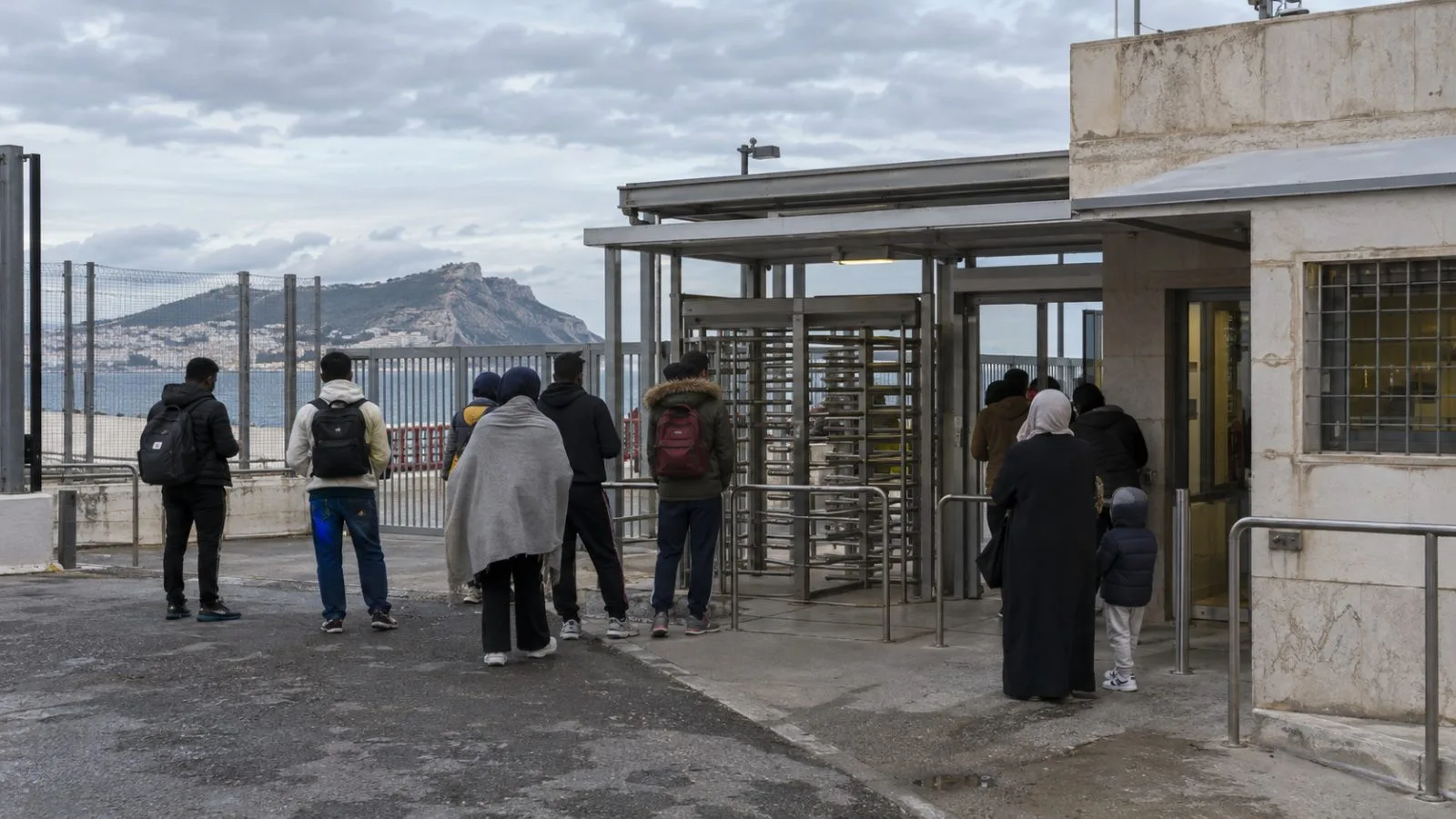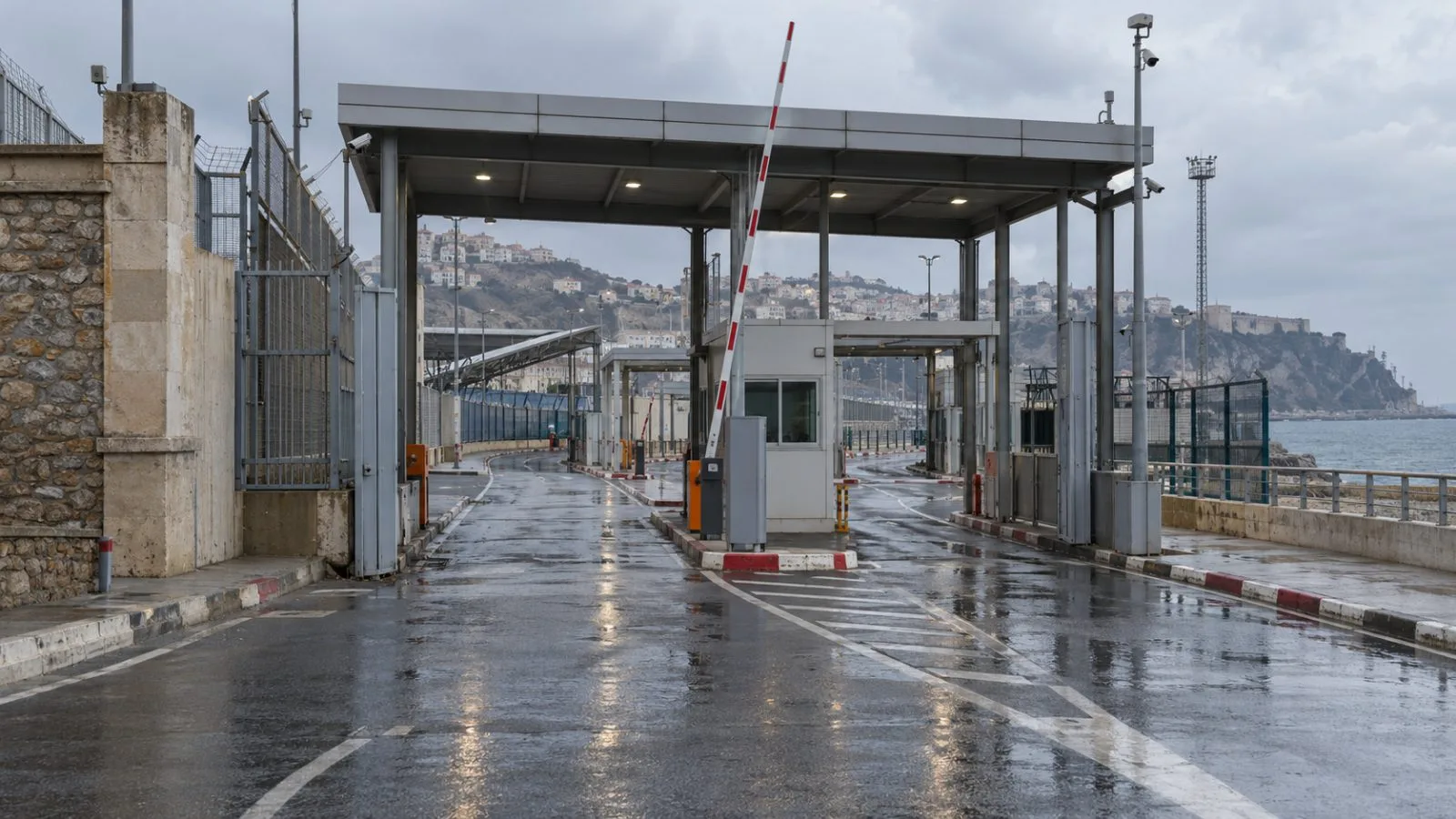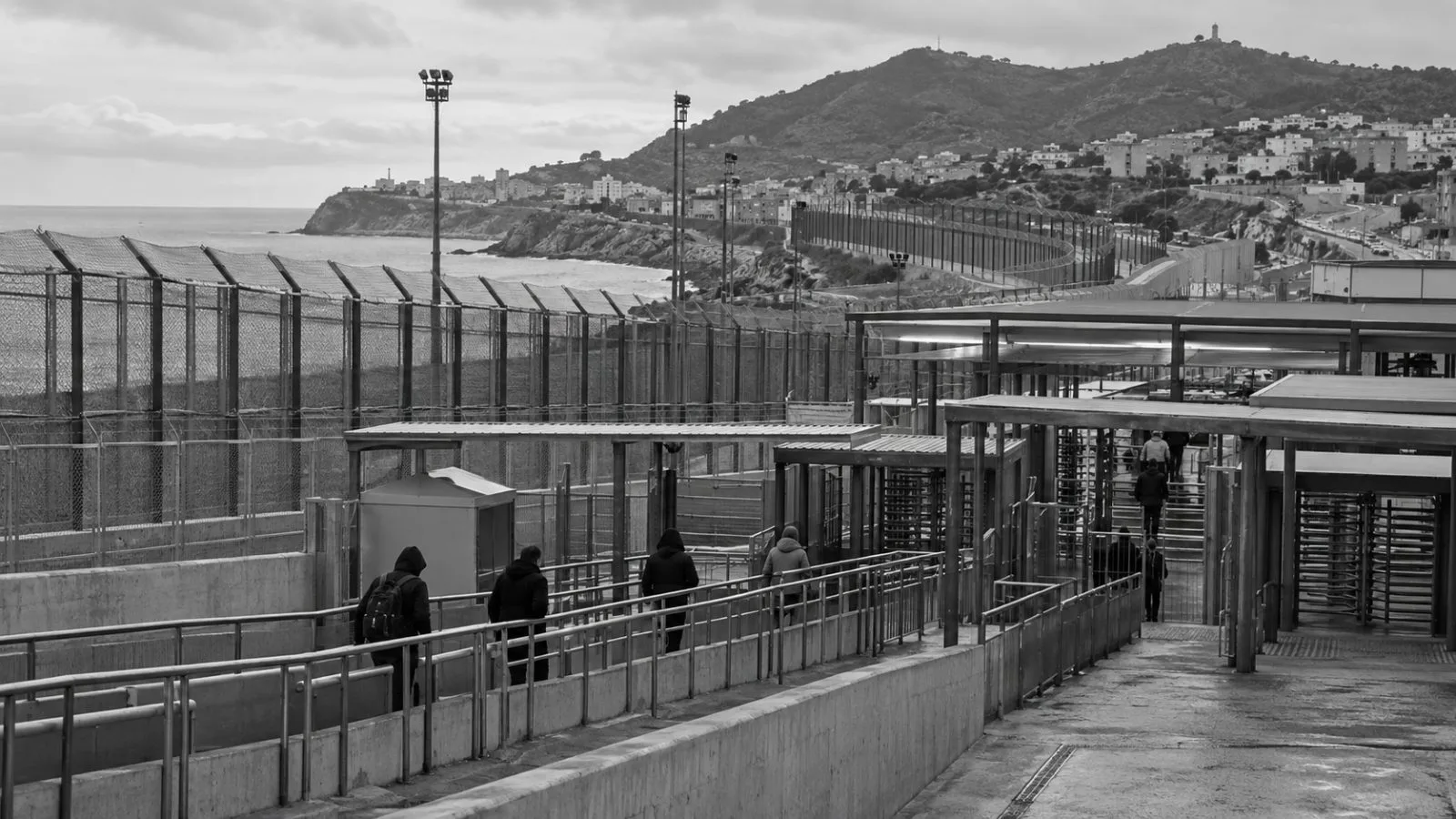
Reuters reported Spain deported rejected asylum seekers from Ceuta to Morocco in the first such move since July’s mass crossing, drawing criticism from rights groups as thousands remain.
The Spanish Interior Ministry said Morocco agreed to take the group and that its members were still there when it issued its statement. It gave neither a headcount nor a breakdown by country. Charities working in Ceuta told Reuters 16 people had been sent back, identifying them as people from Senegal, Nigeria, Yemen, Cameroon and Bangladesh.
The charities said the returns did not account for risks facing migrants from other countries in Morocco. Amnesty International researcher Virginia Alvarez said Spain was “not ensuring that human rights guarantees are met” for people crossing into Ceuta and Melilla. A Spanish Interior Ministry spokesperson told Reuters the European Union considers Morocco a safe country and said returns used “all necessary safeguards,” without explaining what those safeguards involved.
The International Organisation for Migration (IOM) and Morocco’s Interior Ministry had not responded to Reuters’ requests for comment. IOM cooperates with Moroccan authorities on voluntary return programs for migrants from third countries.
Ceuta is still managing the consequences of July’s influx. Roughly 80,000 people crossed from Morocco to the enclave in two days, Reuters reported. Most returned within days, but thousands stayed. Reception centers held 8,000 migrants, while authorities handled asylum applications from most of those still in Ceuta.
Questions about returns labeled voluntary have also surfaced. Several NGOs, including Amnesty International, told Reuters they had complained to Spain’s ombudsman that some departures in the government’s count of more than 13,000 voluntary returns since mid-August were coerced, including departures by non-Moroccans. The concerns echo an earlier EconoTimes report on Ceuta departures.
Prime Minister Pedro Sanchez’s government faces pressure from the European Union and the public to address the crisis before the Nov. 29 elections, Reuters reported.