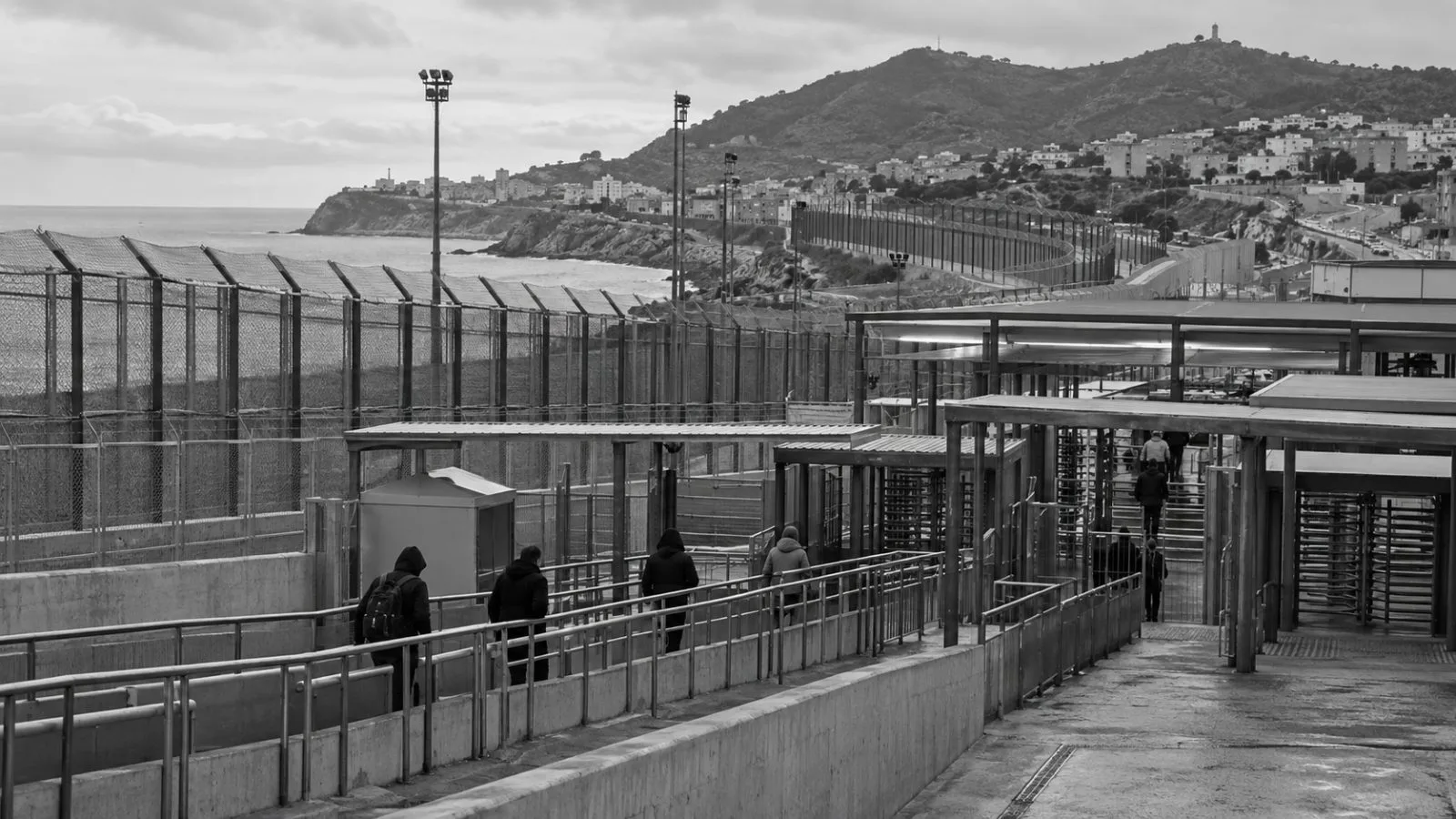
About 8,000 migrants remain in Ceuta as Spain’s first post-July deportation of rejected asylum seekers to Morocco prompts fresh questions about protections for those returned.
On Tuesday, Spain’s Interior Ministry said it had deported people whose asylum applications were denied after Morocco agreed to receive them. The ministry did not disclose a headcount. Nongovernmental organizations (NGOs) told Reuters the group numbered 16, with people from Africa, the Middle East and Asia. EconoTimes previously covered the returns and rights groups’ objections.
Virginia Alvarez, an Amnesty International researcher, said the deportees’ human rights could be at risk after their return. She criticized Spain’s approach to people entering Ceuta and Melilla and pointed to Morocco’s human rights record. Spain’s Interior Ministry said the European Union regards Morocco as a safe country and that removals include necessary safeguards.
Roughly 80,000 people arrived in Ceuta from Morocco over two days in late July, and at least 100 died during the crossing. Most left soon afterward. Among those who stayed, some sleep outdoors while public authorities and aid groups house others.
A snap election scheduled for Nov. 29 is the next political milestone for Prime Minister Pedro Sanchez, who is seeking re-election. Tens of thousands have protested the government’s handling of the crisis, and right-wing parties have used it to criticize him.