


 RBA Set for September Rate Hike as Inflation Stays High
  Asian Stocks Fall as Oil Surge, Bond Yields and AI Concerns Hit Markets
  RBA Hikes Interest Rate to 4.60% as Inflation Risks Rise
  BOJ Set for Rate Hike as Inflation and Yen Pressure Mount
  UK Housebuilder Stocks Surge on New First-Time Buyer Loan Scheme
  Fed Unveils Stablecoin Rules Under GENIUS Act
  Hong Kong Home Prices Stabilize in August After July Decline
  Fed Unveils Stablecoin Rules Under GENIUS Act
  China, US Extend Trade Truce Through January 10 After Trump-Xi Summit
  ECB May Stop Rate Hikes After December, Capital Economics Says


 Add as a preferred source on Google
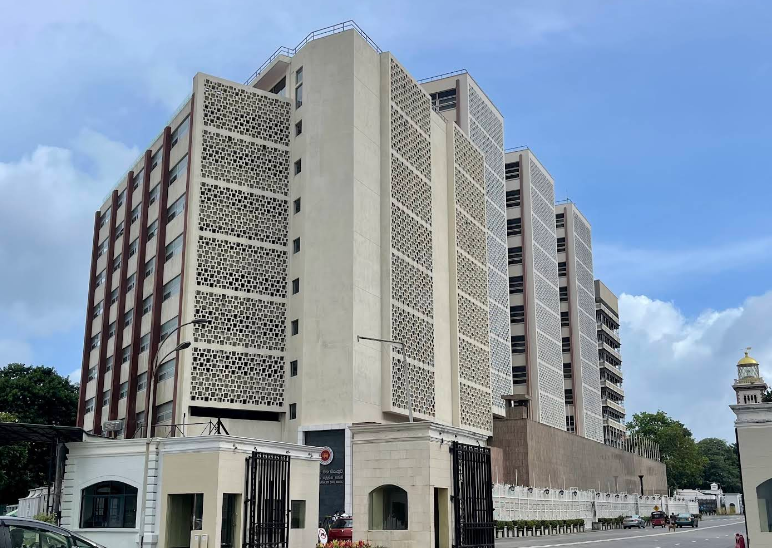
Sri Lanka’s central bank unexpectedly raised its benchmark interest rate by 100 basis points on Tuesday, increasing the overnight policy rate to 8.75% from 7.75% as the country battles rising inflation, a weakening currency, and mounting energy-related economic pressures.
The Central Bank of Sri Lanka (CBSL) said the aggressive rate hike was necessary to contain inflationary risks and stabilize the Sri Lankan rupee, which has faced heavy pressure in recent months. The move exceeded market expectations, as most analysts had predicted a smaller increase of around 25 basis points.
According to the CBSL, higher global energy prices linked to the ongoing U.S.-Israel conflict involving Iran have significantly affected the island nation’s economy. Sri Lanka depends entirely on imported fuel, making it especially vulnerable to global oil market disruptions and supply shocks.
In response to the energy crisis, the government recently increased fuel prices by 40%, introduced fuel rationing, and announced public holidays on Wednesdays to reduce energy consumption. These measures have added to the financial burden on households and businesses already struggling with high living costs.
Sri Lanka’s inflation rate accelerated sharply to 5.4% last month, compared with 2.2% in March, surpassing the central bank’s target level. Officials stated that inflation is likely to remain above 5% in the near term before gradually stabilizing.
Meanwhile, the Sri Lankan rupee has weakened nearly 9% since early March due to foreign exchange pressures and declining investor confidence. Although the CBSL noted that market conditions have recently shown slight improvement, concerns over shrinking foreign reserves remain.
Sri Lanka continues to recover from its devastating 2022 financial crisis caused by a severe dollar shortage. The country is currently operating under a $2.9 billion International Monetary Fund bailout programme aimed at restoring economic stability and rebuilding investor confidence.







