NDTV Profit contributor Srinath Sridharan put jobs, skills and customer access at the center of India’s next growth phase, arguing that infrastructure and digital services should deliver gains in everyday livelihoods.
NDTV Profit published the opinion essay on Nov. 10, framing it around Diwali and the start of a new Samvat. Sridharan’s proposals include raising women’s participation in work, expanding skills opportunities for young people in smaller towns, and helping small businesses and rural suppliers reach more customers. The essay presents his recommendations for India’s development priorities.
India’s official figures show the scale of activity. The Ministry of Statistics and Programme Implementation (MoSPI) provisionally estimated real gross domestic product growth at 7.7% for fiscal year 2025-26, using constant 2022-23 prices. The National Highways Authority of India (NHAI) reported building 5,313 kilometers of highways during the fiscal year, about 15% above its 4,640-kilometer target.
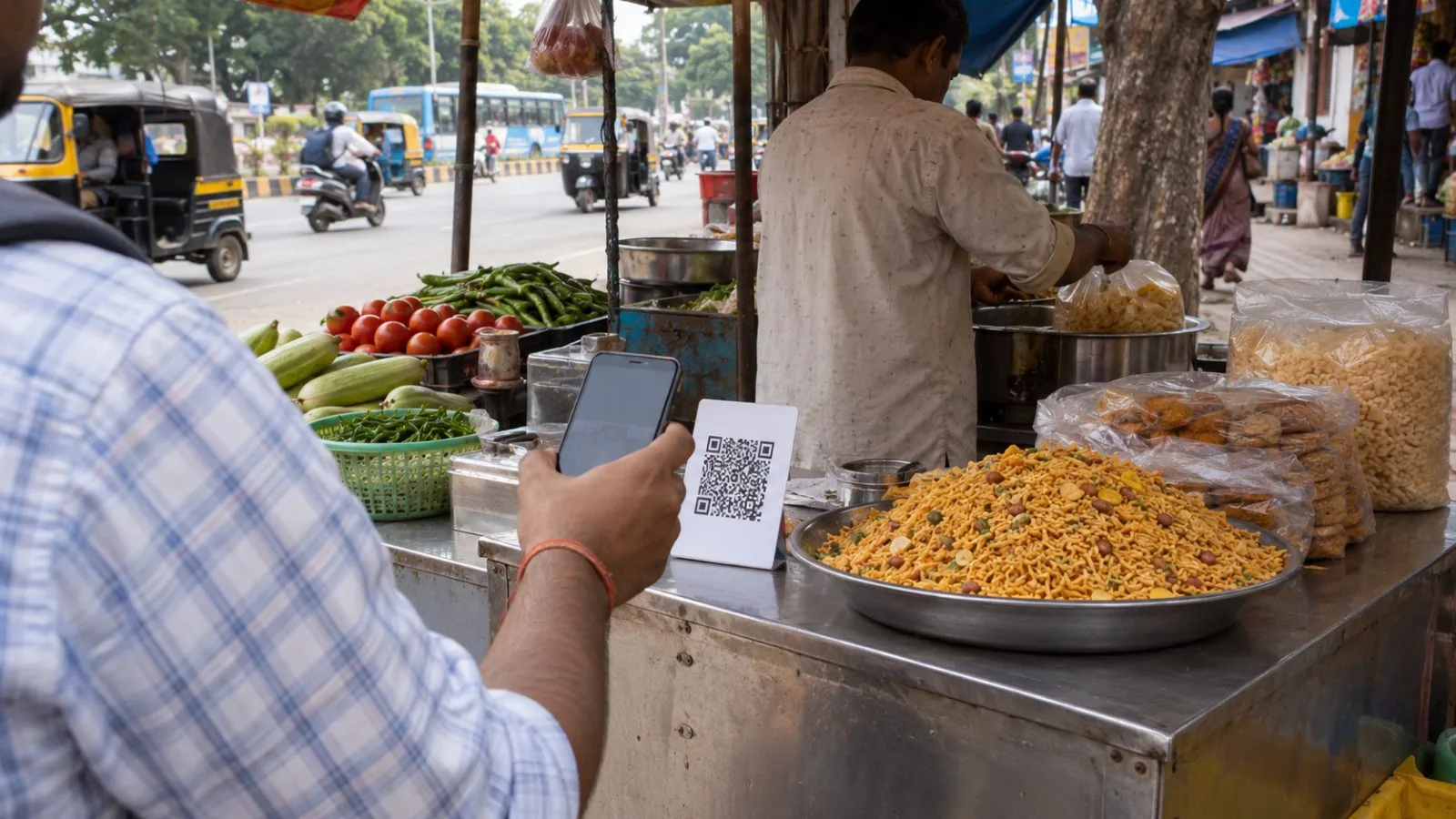
The National Payments Corporation of India (NPCI) recorded 25,466.70 million Unified Payments Interface transactions worth ₹31,52,929.46 crore in October 2026, with 758 banks live on the system. These indicators describe output, construction and payment use; they offer no household-level breakdown of how growth is distributed.
Gold-market data show a gap between the amount purchased and its rupee value. The World Gold Council reported that Indian demand reached 162.5 metric tons in the quarter ended Sept. 30, 2026, down 29% from a year earlier. Its value increased 3% to ₹2,419 billion ($25.3 billion). The Council put the average domestic price at ₹148,891 per 10 grams, up 45%, and cited affordability pressure and a high comparison base among reasons for lower volume.
The Council’s total-demand measure covers jewelry, bars and coins, exchange-traded funds and industrial uses. It tracks gold-market activity rather than household finances or living standards. For the fourth quarter, the Council expects seasonal buying to support demand, while high prices may continue to limit jewelry purchases.