


 Eli Lilly Eyes AtaiBeckley Acquisition to Expand Psychedelic Mental Health Pipeline
  3 clinical-grade skincare creams you really shouldn’t buy online
  GSK Unveils $2.52 Billion Cost-Cutting Plan to Accelerate Drug Pipeline
  FDA Approves Mirum’s Atebrioz for Rare Bone Disorder FOP
  AstraZeneca Shares Sink After Wainua Trial Misses Key Heart Disease Goal
  Moderna Short Sellers Hit With $4.8 Billion Loss as Stock Soars
  SK Biopharmaceuticals Secures Global Rights to Biohaven Epilepsy Drug Opakalim
  GLP-1 Weight-Loss Drug Use Surges Among U.S. Children
  Novo Nordisk Eyes Turnaround as Oral Wegovy Challenges Eli Lilly in Weight-Loss Drug Race
  U.S. Issues Cuba Health Alert as Illnesses Rise
  Moderna Wins FDA Approval for mFLUSIVA mRNA Flu Vaccine for Adults 50+
  US-Backed Pediatric HIV Treatment Drops After Foreign Aid Changes, Study Finds
  France Battles Mediterranean Wildfires as Heatwave Fuels Fire Risk
  Hanmi Pharm Soars 30% on $2.3 Billion Genentech Obesity Drug Deal
  Trump Signs Order to Cut Routine Childhood Vaccines
  Alcohol is one of the most dangerous drugs, yet its presence is ubiquitous in social settings and celebrations


 Add as a preferred source on Google
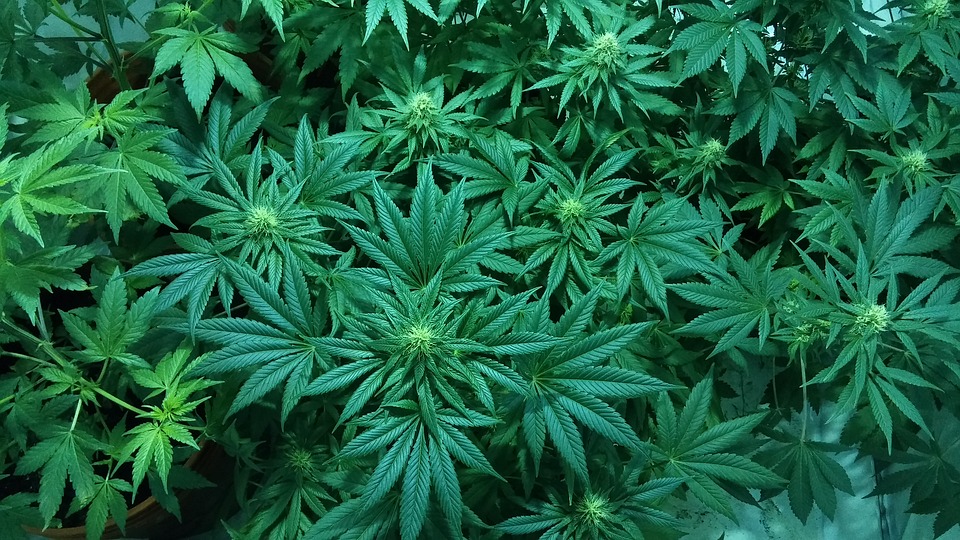
Medical marijuana has been one of the most effective and versatile treatments for a variety of diseases for decades. Recently, a number of U.S. states added new conditions to their lists of acceptable illnesses to receive such treatments. In Minnesota, sleep apnea patients can now turn to medical marijuana. Michigan also updated its list to include an additional 11 health issues such as autism.
After soliciting public comments as well as reviewing the scientific evidence on hand, the Minnesota Department of Health decided to allow medical marijuana as a treatment for sleep apnea, KSTP reports. This decision was also made after a review panel by citizens was hosted to ensure that the local populace was onboard.
However, not everyone is thrilled about this decision, with some health experts stating that medical marijuana is not as effective in treating the condition as conventional medical treatments. Sleep apnea expert Dr. Jonathan Parker is one such voice to express concern that the development could lead to negative consequences.
Aside from Minnesota, Michigan also decided to update its list of acceptable medical conditions that could receive medical marijuana treatment. These conditions include Parkinson’s disease, chronic pain, and Tourette’s syndrome, the Detroit Free Press reports. The state even threw in autism into the mix for good measure.
In order to make use of medical marijuana, however, patients will need a medical marijuana card. The card must be approved by a doctor and will cost $60.
With these new diseases on the list, the items have now gone up to 22 acceptable ailments. However, even as the state approved the 11 health conditions, it also rejected 11 others. The diseases that were not deemed acceptable to receive medical marijuana treatment include depression, panic attacks, and asthma. That last part might have been the most understandable, however, since it is a respiratory condition.







