Sterling weakened against the U.S. dollar on Nov. 16 as traders increased bets on further Federal Reserve tightening, putting the pound-dollar rate under pressure as markets focused on U.S. inflation and interest rates.
FXStreet reported that GBP/USD dipped below $1.3200 at one point. FXStreet reported that the pair later rebounded toward that level after reaching a one-month trough, and said it was approaching a fifth consecutive daily decline. The reports described different points in the session.
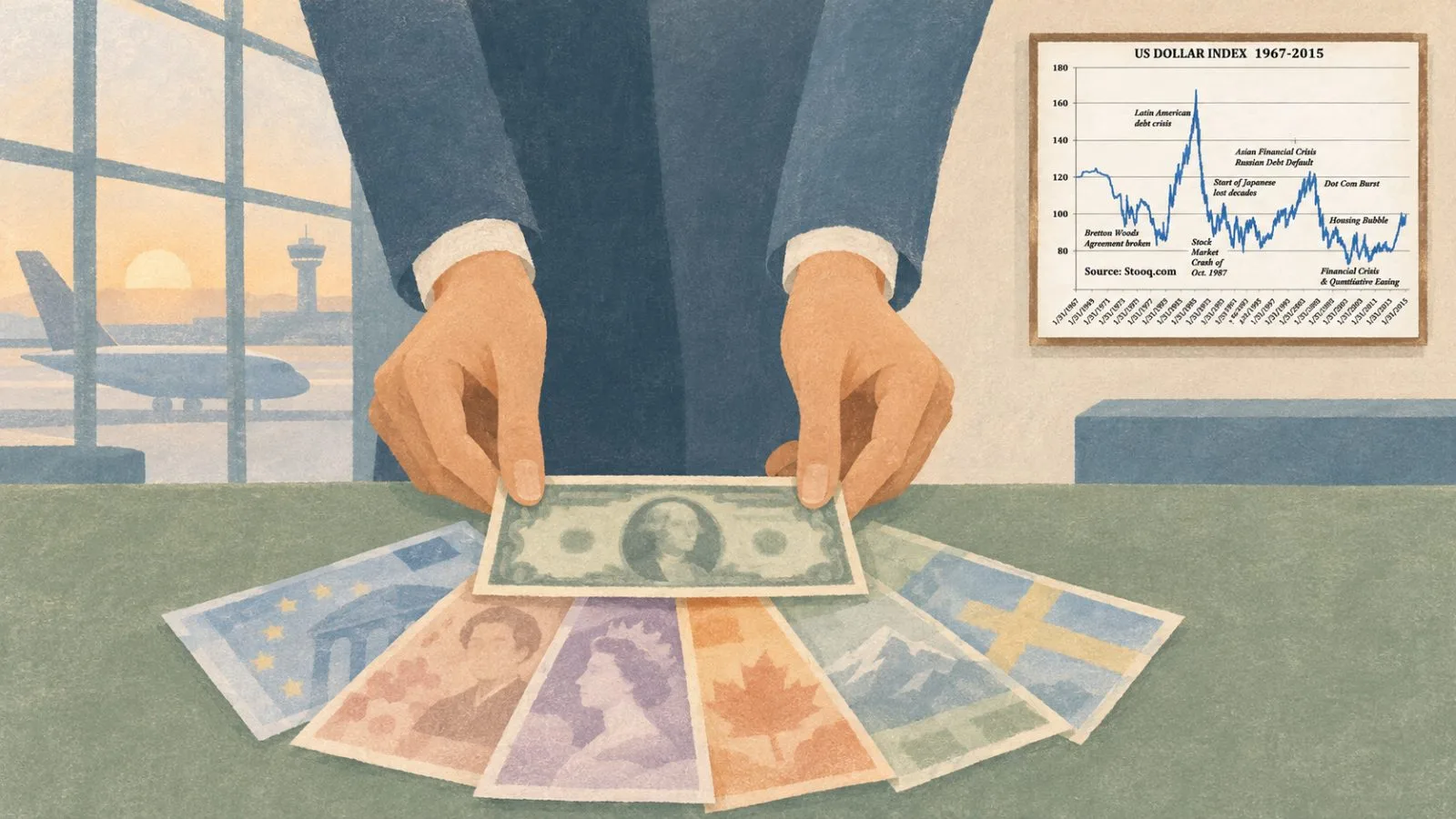
Earlier in Asian trading, Reuters put the U.S. Dollar Index at 103.47, up 0.1%, while sterling stood at $1.3205 and was little changed. Reuters said the index had reached its highest point since April 2025 and linked the dollar’s strength to U.S. inflation data and hawkish Federal Reserve commentary.
The Bureau of Labor Statistics (BLS) said consumer prices rose 0.4% in October from the previous month on a seasonally adjusted basis, following a 0.6% increase in September. The Fed said inflation remained elevated, while the Bank of England cited inflationary pressure in explaining its November rate increase.
At its Oct. 28 meeting, the Federal Reserve held its target range at 3.75% to 4.00%. Two members of its policy committee dissented in favor of a quarter-point increase. The Bank of England raised its Bank Rate by a quarter point to 4.00% on Nov. 4 in an 8-1 vote; one member preferred a half-point increase to 4.25%. The bank said U.K. inflation was 3.5% in September and expected it to rise further.
U.K. labor-market data were scheduled for Nov. 17 at 2 a.m. EST (07:00 GMT), followed by U.S. October retail sales at 8:30 a.m. EST (13:30 GMT). U.K. October inflation figures were due Nov. 18 at 2 a.m. EST (07:00 GMT). The next Federal Reserve decision was scheduled for Dec. 9, followed by the Bank of England’s on Dec. 17.