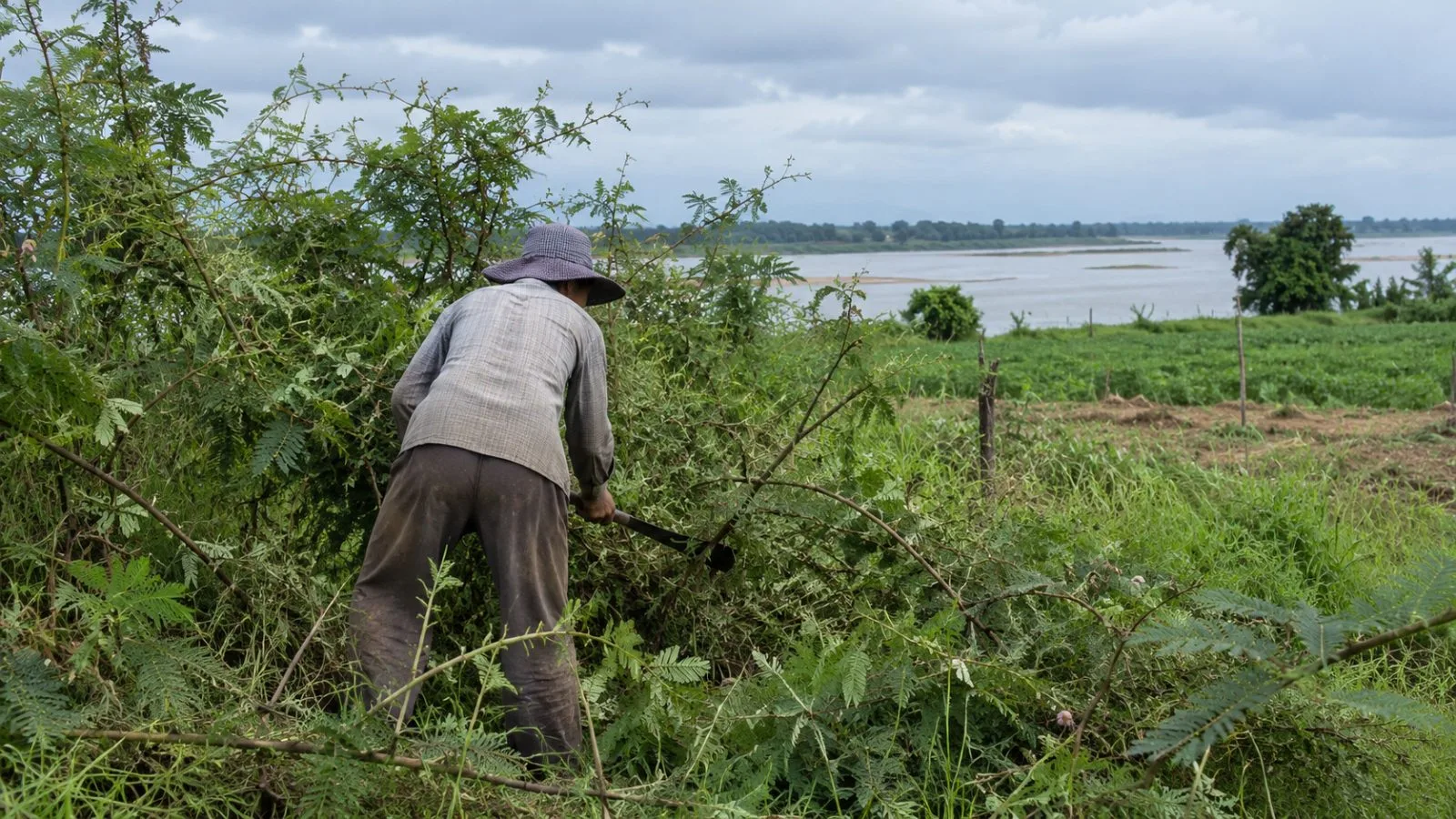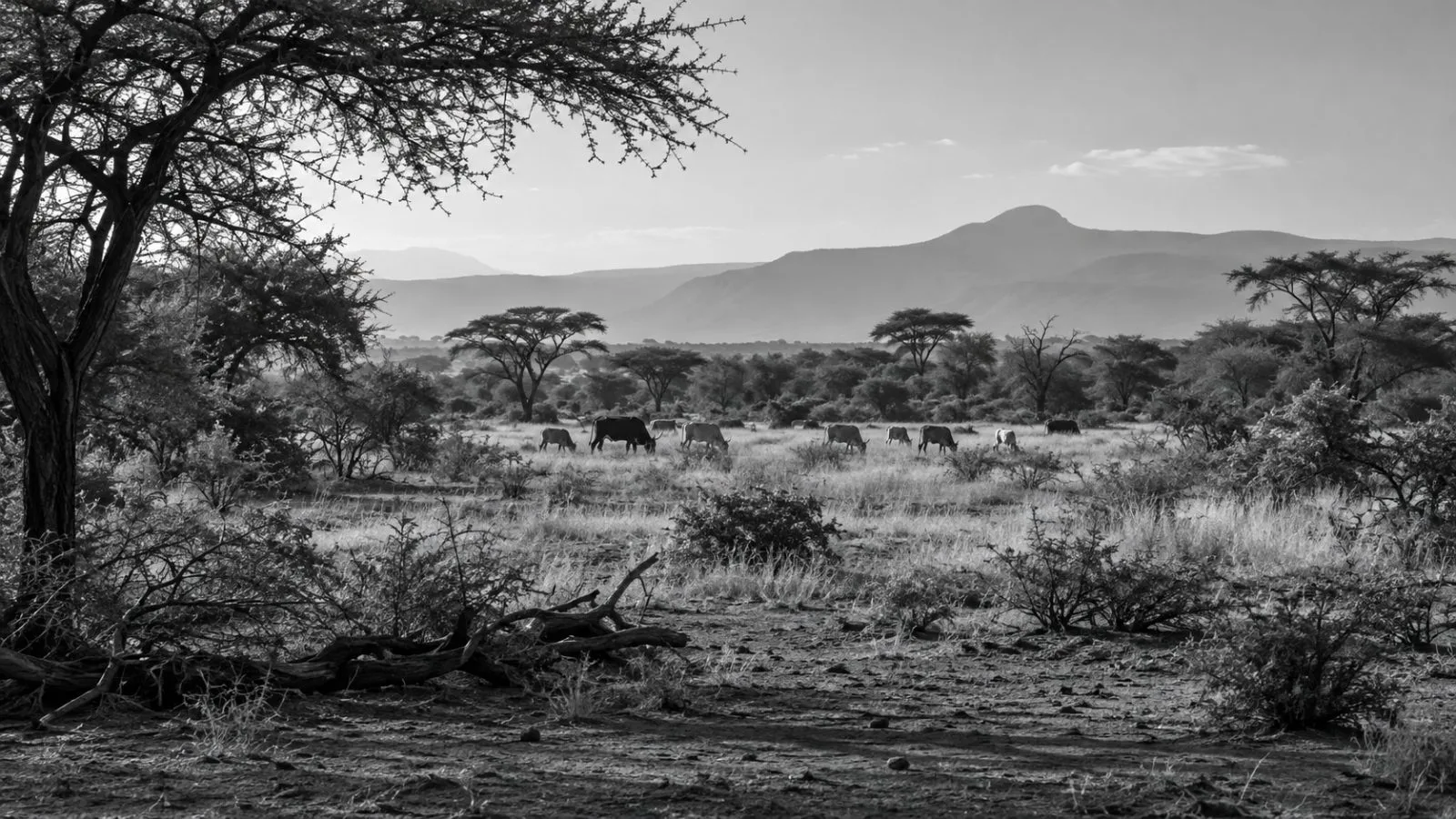
A 2019 study in Science of the Total Environment estimated that annual ecosystem-service value in the southern part of Ethiopia's Afar Region fell $602 million from 1986 to 2017, as grassland shrank.
Researchers examined a 6.67 million-hectare area using satellite observations from 1986, 2000 and 2017. Their maps show that land occupied by Prosopis, an invasive tree, expanded by about 965,000 hectares over the period, averaging 31,127 hectares a year. Grassland contracted by about 599,000 hectares, while bush, shrub and woodland together declined by about 327,000 hectares.
To estimate the economic effect of the land-cover changes, the researchers assigned an annual value per hectare to each category. They used two sets of valuation coefficients, regional and global, which yielded estimated declines in yearly ecosystem-service value of $112 million and about $1.091 billion. The $602 million figure is the average of those results. It compares estimated annual values for 1986 and 2017, rather than cash lost or a total accumulated over 31 years.
Pastoralists and agro-pastoralists bear the loss of grassland used for livestock grazing, including on the Awash River floodplains during dry seasons. Soil and water conservation efforts brought Prosopis to Afar in the late 1970s and early 1980s. The tree also supplies firewood and charcoal, giving it benefits alongside its effect on grazing land.
The study did not assign the full estimated decline to Prosopis. Its authors said climate change and unsustainable management may also have contributed to the loss of grassland. The range between the two monetary estimates shows how much the result depends on the values assigned to different types of land cover.
A separate 2019 study in Scientific Reports estimated that Prosopis had spread across 1.17 million hectares, or 12.3%, of the wider Afar Region by 2017. That study covered a different area from the ecosystem valuation study. The valuation study's authors called for implementation of Ethiopia's National Prosopis Management Strategy.