A 2022 analysis in The Lancet Global Health estimated deficiencies in selected nutrients among most children and women in two age groups, but limited surveys leave the worldwide burden uncertain.
Researchers estimated that 56% of children ages 6 to 59 months had a deficiency in iron, zinc or vitamin A. Among non-pregnant women ages 15 to 49, the estimate was 69% for iron, zinc or folate. Those rates correspond to 372 million children and 1.203 billion women. The study’s 95% uncertainty intervals were 319 million to 425 million children and 1.031 billion to 1.358 billion women.
The researchers combined results from 24 nationally representative surveys spanning 22 countries, conducted from 2003 to 2019. They used 2013 as the reference year for population counts because it was the median survey year. The authors cited gaps in representative biomarker data, limited coverage of some populations and the small range of nutrients commonly measured.
The analysis cautioned against treating its estimates as a revision of the often-repeated figure of 2 billion people with micronutrient deficiencies. That figure relies on anemia estimates more than 30 years old. Because anemia can have non-nutritional causes and some deficiencies do not lead to anemia, anemia figures cannot provide a complete measure of micronutrient deficiencies.
A deficiency may also be hard to recognize from symptoms. The U.S. National Institutes of Health Office of Dietary Supplements says vitamin B12 deficiency can go unnoticed for years; numbness and tingling may occur even without anemia. The agency says early diagnosis and treatment help prevent lasting damage.
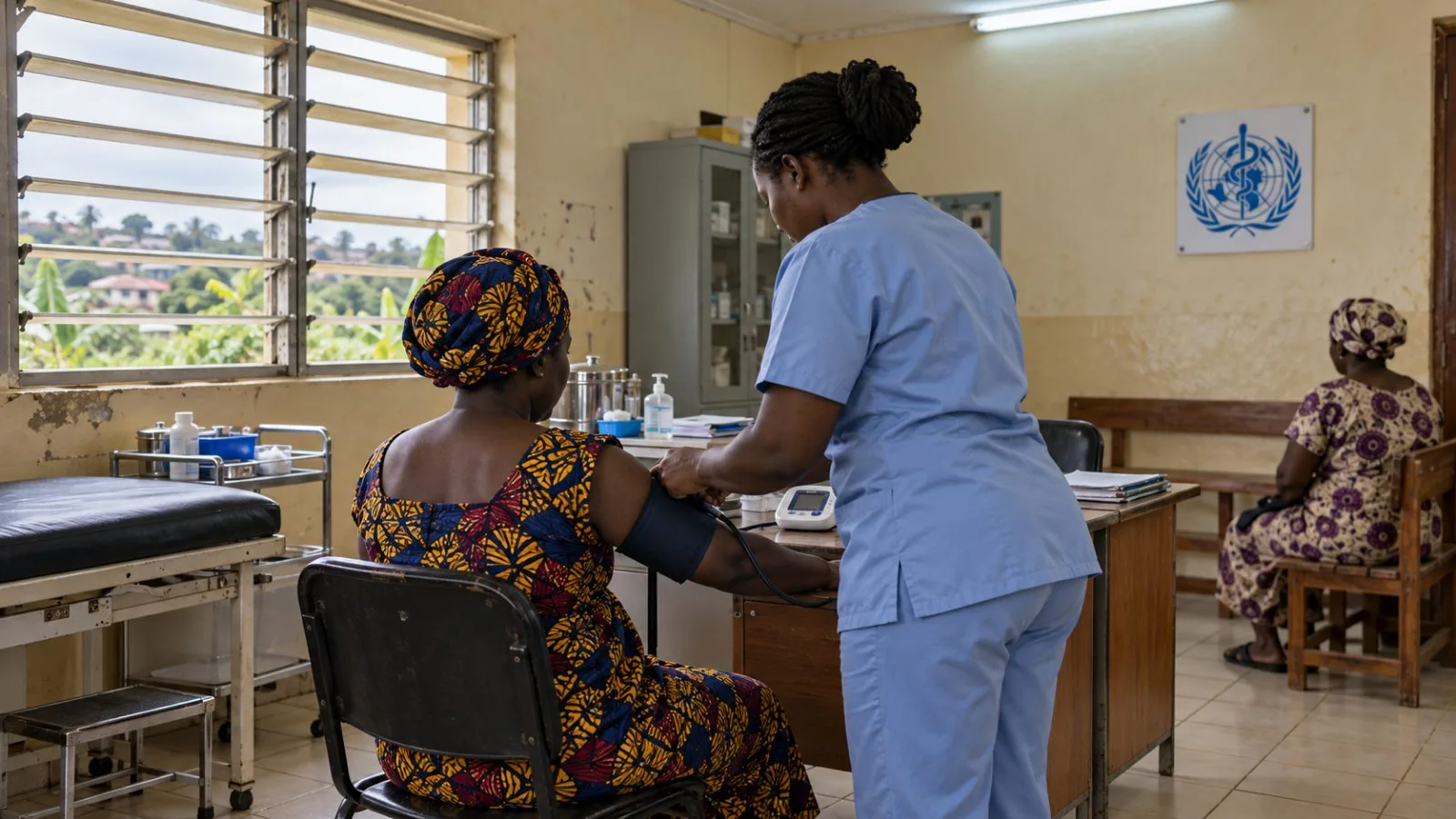
The World Health Organization (WHO) says low- and middle-income countries carry a disproportionate burden of micronutrient deficiencies. It identifies anemia, reduced energy and mental clarity, and risks to growth and development among possible effects. WHO’s definition of malnutrition also includes nutrient deficiencies or excesses, overweight, obesity and diet-related disease, so weight alone does not capture every form.
The analysis also estimated that at least one measured deficiency affected 45% of children and 48% of non-pregnant women in high-income countries. The uncertainty intervals were wide: 25% to 68% for children and 26% to 73% for women. The estimates draw on survey data with a median year of 2013.
In Germany, the German Society for Nutritional Medicine says malnutrition affects 20% to 30% of hospital patients. The group estimates that hospital screening and treatment could avert more than 50,000 deaths a year, based on research applied to German hospital data. That is a modeled estimate of potentially preventable deaths, not a count of deaths directly attributed to malnutrition.