U.S. research found that 69% of recent health care users reported alcohol screening, while 4% of adults who reported heavy alcohol use said they received a brief intervention; the figures cover different groups.
Researchers analyzed 2022-through-2024 National Survey on Drug Use and Health responses from 139,532 adults. About 81% said they had used health care in the previous year. Among those respondents, 69% reported being screened for alcohol use.
The study, published in Addiction, reports that 4% of adults with heavy alcohol use received a brief intervention. RTI International’s announcement gives the rate as 3.5%, which the journal abstract rounds to 4%. The screening and intervention figures describe different groups, so they do not measure how many screened patients went on to receive follow-up care.
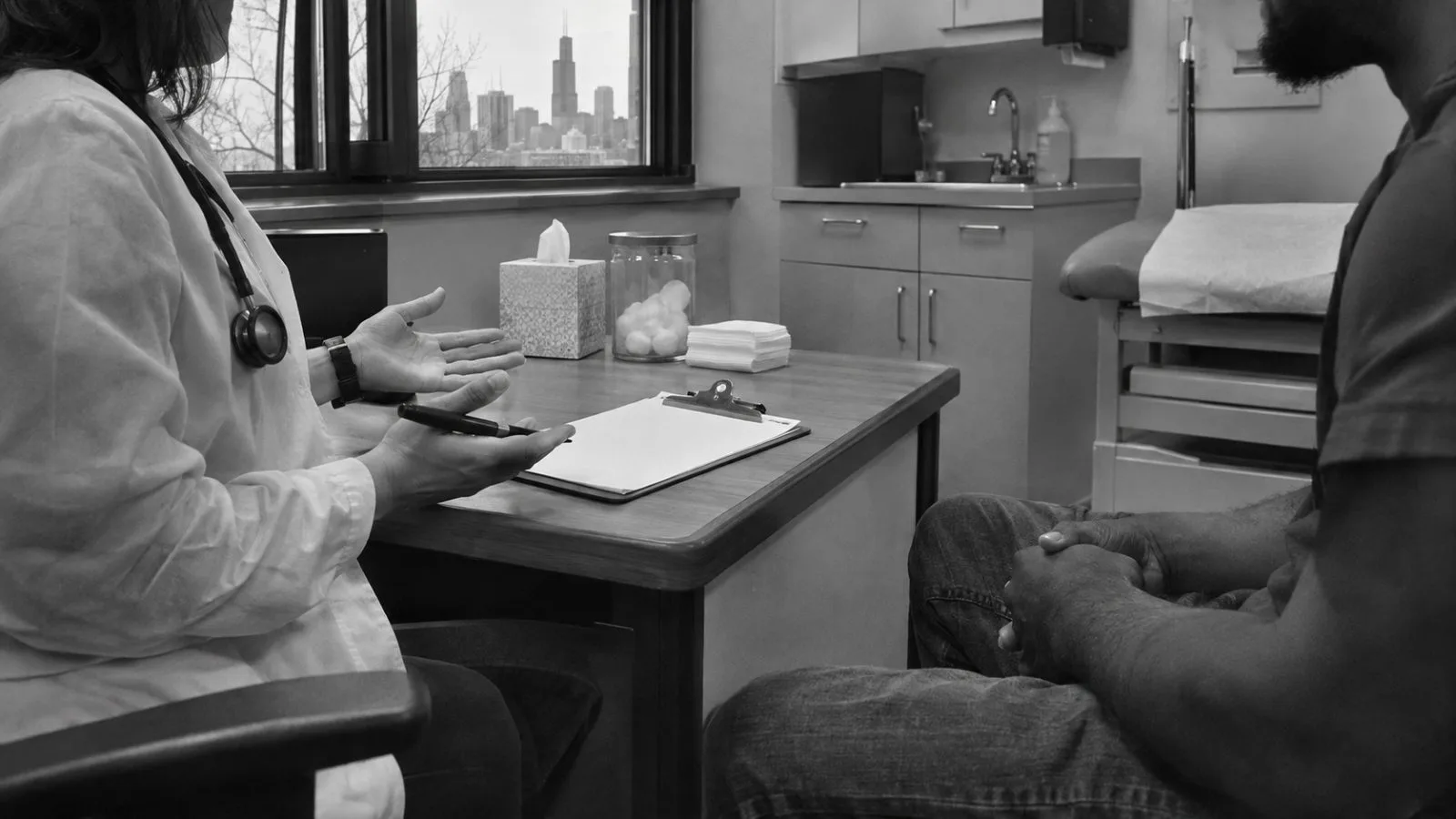
The analysis examined services associated with screening, brief intervention and referral to treatment (SBIRT). In this care model, screening checks for risk, brief counseling seeks to encourage behavior change, and referral can connect people with more extensive treatment.
Reported intervention rates varied by alcohol use disorder (AUD) severity: 9% for people with mild AUD, 17% for those with moderate AUD and 33% for those with severe AUD. Women were 48% less likely than men to report receiving a brief intervention. Among people with AUD, women were 38% less likely than men with AUD to receive a treatment referral; they were also less likely to receive treatment.
The analysis relied on self-reported information and was cross-sectional. It describes care respondents said they received but does not establish why some did not receive further services.
Katherine Karriker-Jaffe, a behavioral health expert at RTI International, said, “Alcohol screening is an important first step, but screening alone is not enough.” RTI said the researchers called for alcohol-related support to be available in more settings, especially for people who face barriers to care.