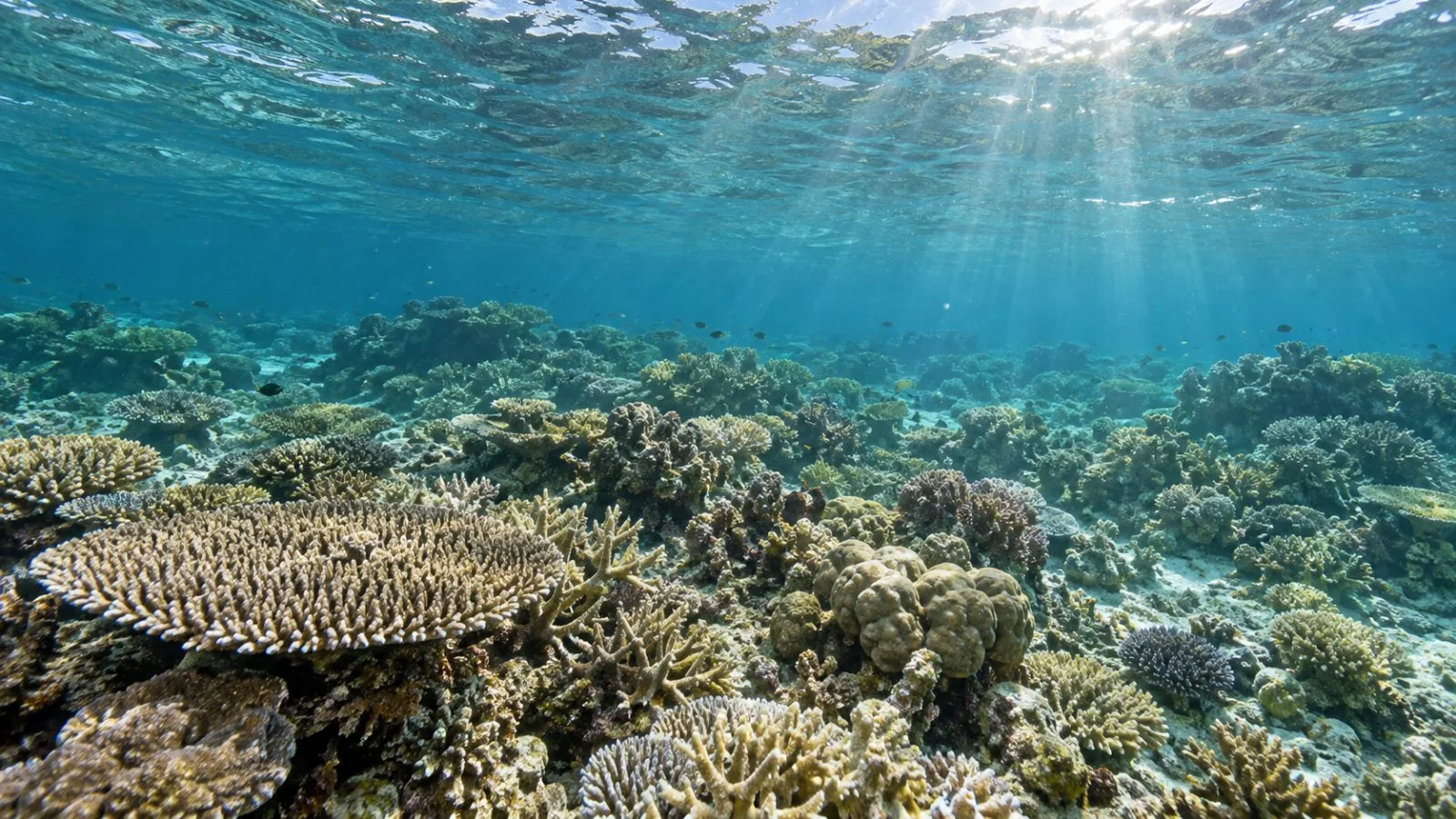
An updated global assessment finds 340 reef-building coral species threatened with extinction, as rising ocean temperatures endanger reefs that help feed and protect communities across more than 100 tropical countries.
Published Oct. 15 in Nature, the study applied Red List criteria set by the International Union for Conservation of Nature (IUCN) to 892 species. Researchers had enough information to assess 774 of them; 340, or 44% of that group, were threatened. Those listings comprised 33 critically endangered species, 251 endangered species and 56 vulnerable species.
The remaining 118 were classified as data deficient. The 44% figure applies to species with sufficient information for assessment, rather than all 892 examined. The missing data leave uncertainty about the risk faced by the rest.
Projected heat stress was the main driver of the estimated declines behind the threatened listings. Warmer water can trigger bleaching, in which corals lose the algae that provide them with nutrients. Bleached corals become more vulnerable to starvation, disease and death. With counts of individual coral species scarce, the team estimated declines from changes in coral cover and projections of severe bleaching.
Corals build tropical reefs as their hard skeletons accumulate. Those reefs help provide food, livelihoods and protection along coastlines in more than 100 tropical countries, linking the ecological risk to communities that rely on them.
IUCN announced the 44% finding in 2024. The new paper details the reassessment, following a 2008 review that placed roughly one-third of reef-building coral species in threatened categories. The latest assessment used data through 2020.
That cutoff precedes the global coral bleaching event from 2023 to 2025. The researchers said the share of threatened species may now be higher, although the study does not calculate a later figure. A threatened listing signals relative extinction risk; it does not forecast whether a particular species will disappear or when.