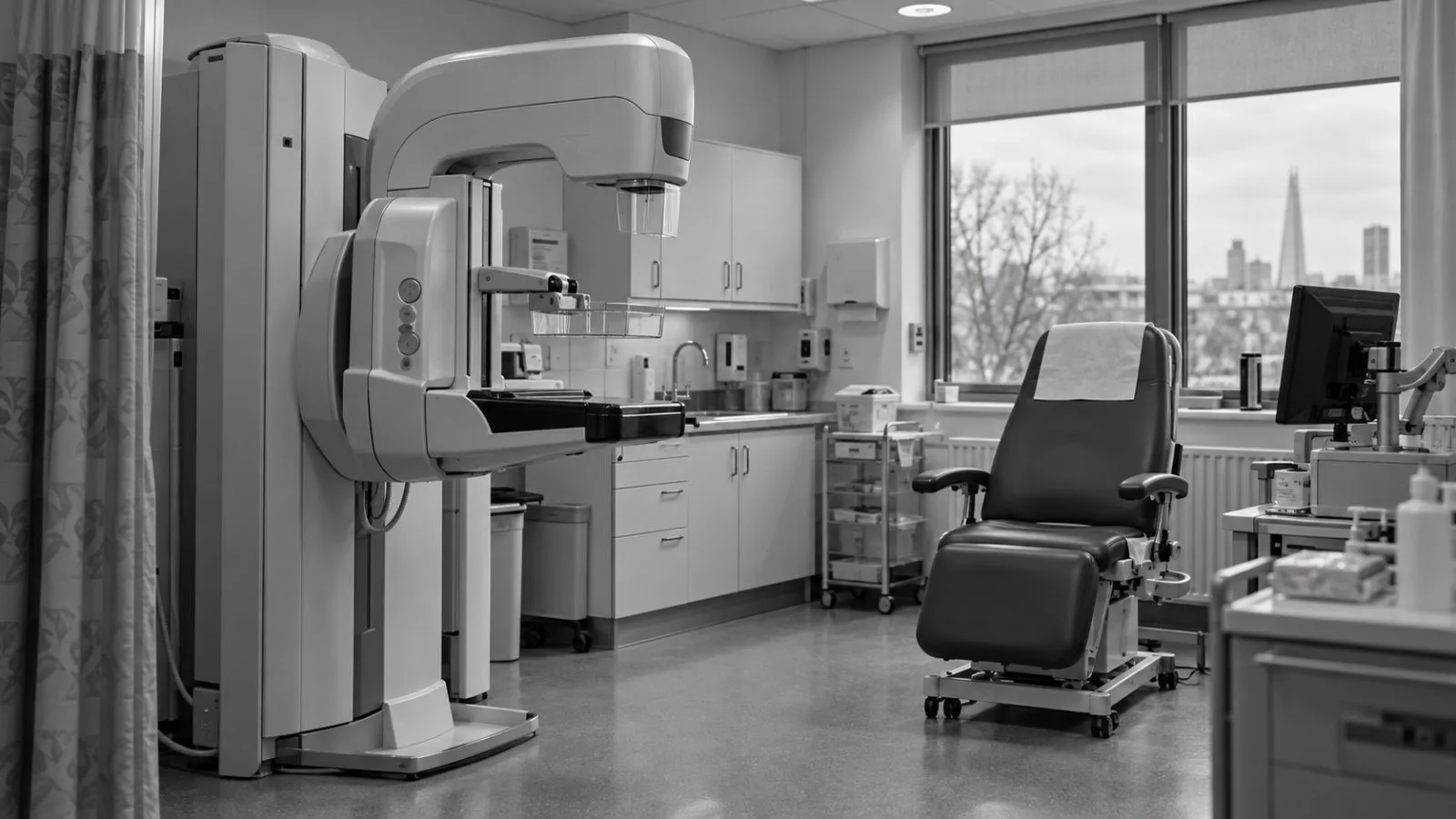
A study of breast cancer diagnoses in England found that Asian, Black and mixed-ethnicity patients had lower adjusted odds than White patients of having cancer detected through screening, highlighting differences in how patients were diagnosed.
The route-to-diagnosis analysis covered 86,564 adults diagnosed from 2009 through 2018. Researchers used records from the Clinical Practice Research Datalink and Cancer Registration Tumour and Treatment datasets. Compared with White people, the adjusted odds ratios for screening diagnosis were 0.87 for Asian people, 0.71 for Black people and 0.67 for people of Mixed ethnicity. The study also assessed time to diagnosis and time to treatment using smaller cohorts, so the 86,564 figure applies to the route analysis.
The paper reported up to 31% higher adjusted odds of diagnosis through an urgent suspected cancer referral among the groups it compared. For emergency presentations, adjusted odds were 39% higher for Black people than White people, 31% higher for people in the most deprived quintile than those in the other four quintiles, and 37% higher for people with severe mental illness than those without it.
The full study was funded by Breast Cancer Now and published in Breast Cancer Research on Sept. 15, 2026; a separate route-to-diagnosis analysis appeared in the International Journal of Population Data Science on July 6. The Guardian also cited earlier QualityWatch analysis of GP visits before diagnosis.
Dr Robert S. Kerrison, an associate professor of cancer care at the University of Surrey and the study’s lead investigator, told The Guardian that unequal access to screening and timely treatment “may be part of the explanation” for differences in breast cancer survival. That is his interpretation; the study measured diagnosis patterns and did not establish what caused them.