A Guardian columnist says housing insiders expect the government’s 2026-36 program to deliver about 19,000 new social homes a year under optimistic assumptions, while Shelter says England needs 90,000 social-rent homes annually for a decade.
John Harris, writing in the Guardian on Nov. 15, said the estimate assumes a favorable outcome that includes another Labour election win. The gap points to the scale of the challenge facing Prime Minister Andy Burnham’s pledge to revive council housebuilding.
The government’s 2026-36 Social and Affordable Homes Programme has an ambition to deliver around 300,000 homes. It sets a separate target for at least 60% of funded homes to be for Social Rent. The Oct. 28 Budget added £1.5 billion for about 10,000 homes, taking the program’s total capital investment above £40 billion over 10 years.
Ministry of Housing, Communities and Local Government (MHCLG) statistics show providers delivered 12,198 social-rent homes in 2024-25, up from 10,320 the previous year. Shelter’s analysis of government figures found 1.34 million households were on social housing waiting lists as of March 31, 2025.
The English Housing Survey found that 1.7 million dependent children, or 15%, lived in non-decent homes in 2024-25. That was up from 1.5 million children, or 13%, in 2022-23.
Shelter identifies historic council housing debt as a constraint on new construction. It estimates that £29 billion in debt was transferred to councils under a 2012 financing agreement, and says servicing that debt diverts resources that could go toward building homes. The charity argues that removing the debt would help expand supply.
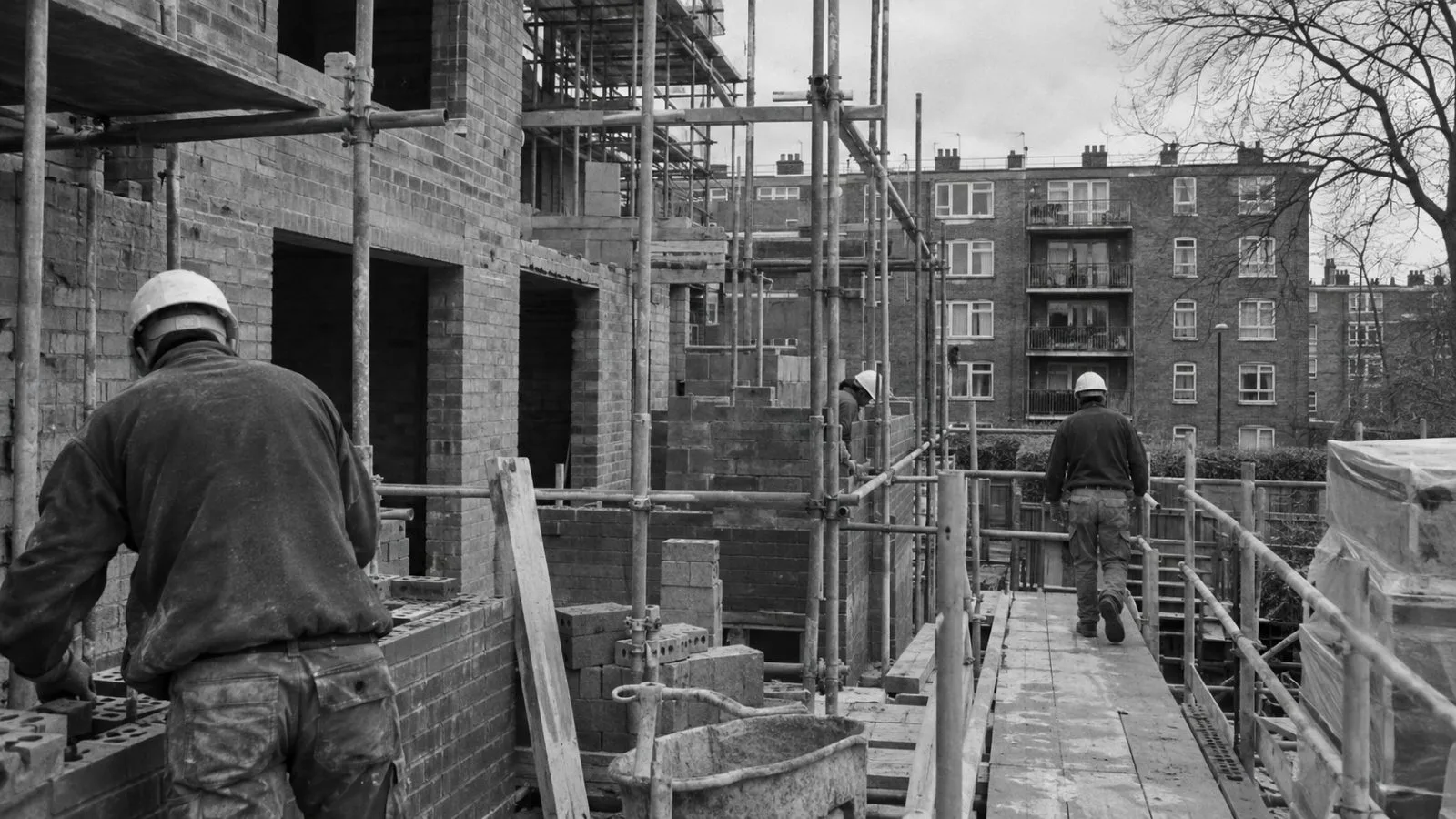
MHCLG housing-supply tables show social-rent homes accounted for 46% of all housing completions in England in 1967, with councils delivering 97% of those homes. Harris also pointed to the 2027 spending review. Burnham told MPs on Nov. 11 that he would present a separate 10-year national plan before the Christmas recess, following his pledge to deliver the plan before the recess.