A study of 61 healthy adults in Denmark linked habitual coffee intake to gut microbial richness and lower small-intestine pH, but it could not establish whether those differences affect health.
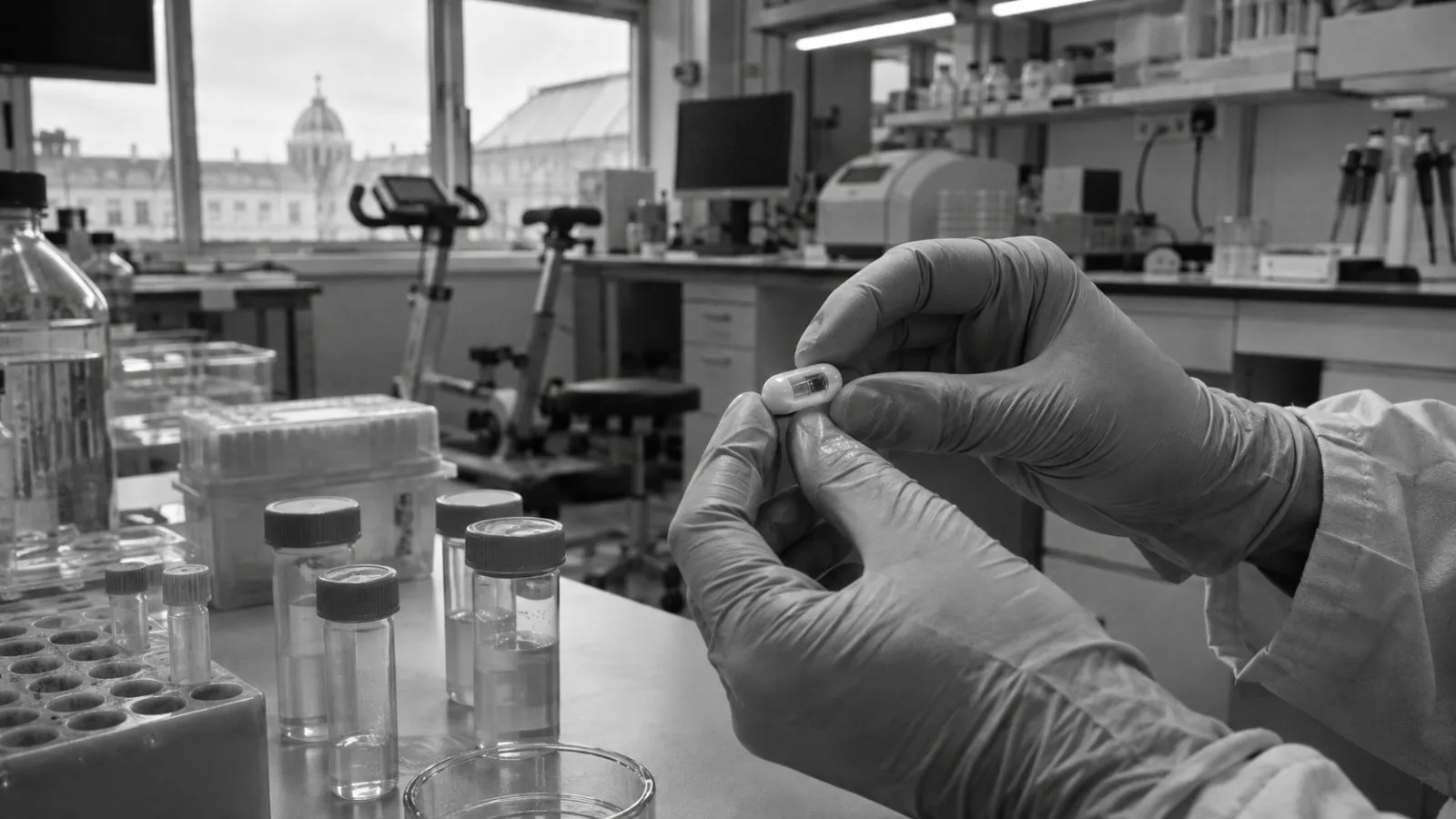
Published in Gut Microbiology, the research tracked participants for nine days. They recorded their food and drink for eight days and provided stool and urine samples. Fifty participants swallowed a wireless SmartPill capsule that measured digestive transit time, pH, temperature, pressure and contractions as it passed through the digestive tract.
The University of Copenhagen used a threshold of one to five cups per day on more than three diary days to define frequent drinkers. Researchers compared that group with rare drinkers, observing participants’ coffee habits rather than assigning them set amounts.
Frequent drinkers had greater microbial richness than rare drinkers. The researchers also found higher levels of Lawsonibacter spp., Slackia spp. and unclassified Eggerthellaceae in the frequent-drinking group. Lawsonibacter abundance was positively associated with coffee intake.
The frequent-drinker group also had lower pH in the small intestine. Separately, urinary caffeine metabolites were positively associated with contractions in the colon. The study did not assess whether any of these measured differences improved or harmed health.
The University of Copenhagen said colon contractions can aid digestion and help prevent constipation, but the study did not test coffee as a treatment or preventive measure. Researchers also said they do not yet know whether lower small-intestine pH is beneficial or harmful.
Participants followed their ordinary coffee habits instead of receiving set amounts from researchers, so the study cannot show whether coffee produced the observed patterns. Francesca Bucci, the paper’s first author and a Ph.D. student in the University of Copenhagen’s Department of Nutrition, Exercise and Sports, described the research as examining “how the gut functions.”
The researchers identified a controlled intervention as a next step, with coffee exposure varied under study conditions to test whether the gut measurements change.